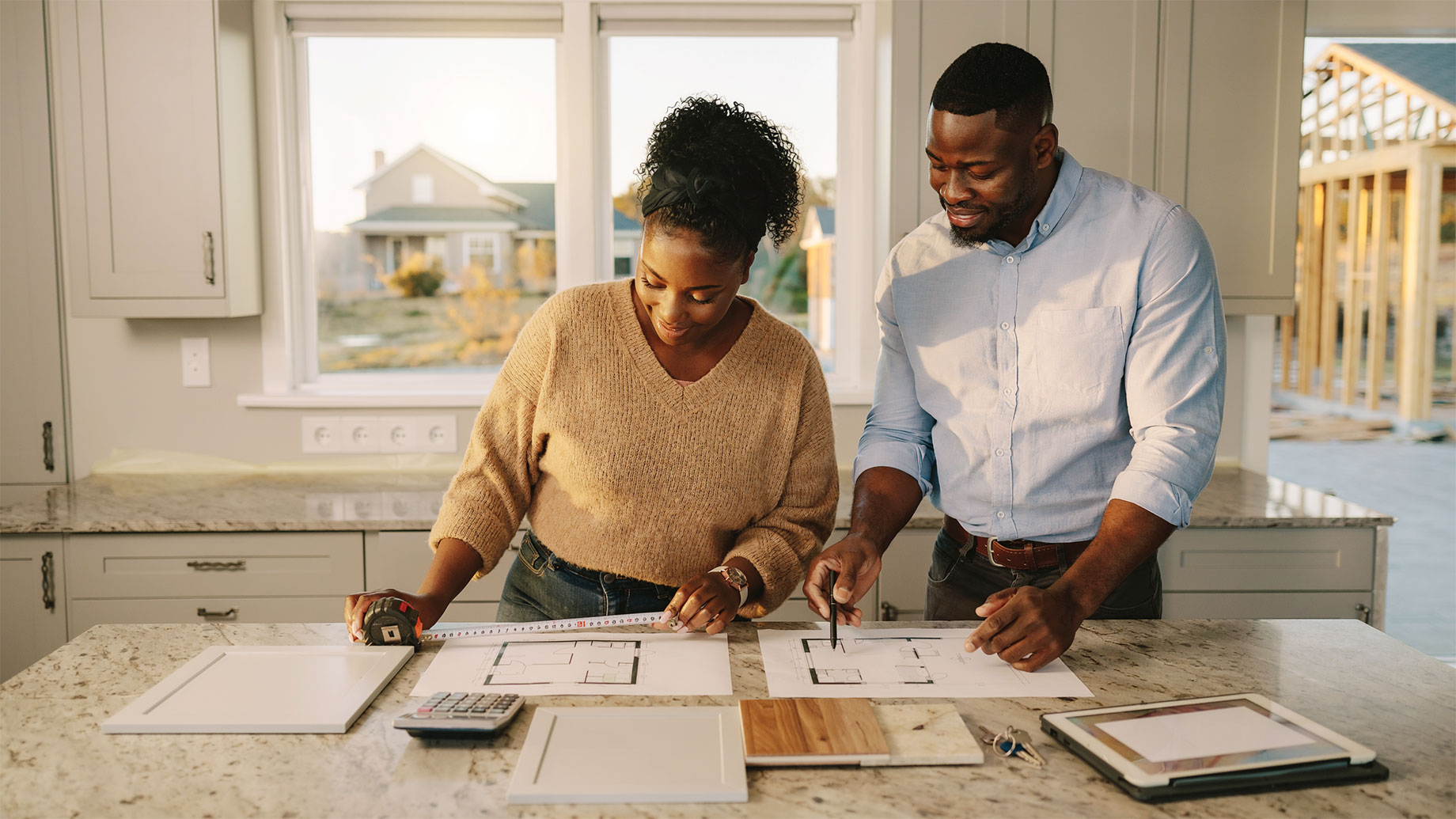
Two newly built homes can have similar starting prices while offering very different overall value. When comparing options from new home builders, look past model-home styling and focus on the completed home, the contract, the neighborhood, and the costs that continue after closing.
A new construction purchase can offer modern layouts, new systems, and the ability to select certain finishes. It can also involve lot premiums, upgrade decisions, construction schedules, and terms that differ from a resale transaction. A consistent comparison process helps buyers make a decision based on daily life and long-term ownership, not just first impressions.
Why Comparing New Construction Homes Matters
The listed price is usually a starting point, not always the final amount a buyer will pay. One home may include appliances, lighting, landscaping, or a finished outdoor area, while another may require additional spending for those items. Completion timing, lot placement, warranty procedures, and homeowners association rules can also affect value.
Before touring communities, use the home-buying tools available through the Consumer Financial Protection Bureau to organize loan estimates and compare the costs associated with different financing choices. Then use the same questions for every home you consider, so an attractive kitchen does not distract from a less practical layout or higher final price.
Set A Complete Home-Buying Budget
Your mortgage payment is only one part of the purchase. Build a budget that includes cash needed before closing, predictable monthly expenses, and projects that may be necessary soon after move-in.
Costs To Include
- Down payment, loan fees, and closing costs.
- Property taxes, homeowners insurance, mortgage insurance when applicable, and homeowners association dues.
- Lot premiums, structural options, and design upgrades.
- Appliances, window coverings, light fixtures, and storage solutions that are not included.
- Landscaping, fencing, patios, irrigation, and moving expenses.
- An emergency reserve for unexpected costs after closing.
For example, a home with a lower base price can become the more expensive choice if it requires a premium lot, a larger upgrade package, and significant exterior work. Ask for a written estimate that separates the base price, selected options, fees, and credits.
Compare Floor Plans And Daily Use
A floor plan should support your routines rather than simply look spacious on paper. Consider how you will carry groceries inside, where shoes and coats will go, whether the kitchen has useful storage, and how noise travels between bedrooms and living areas.
Questions To Ask About Each Floor Plan
- Is the garage entry convenient for groceries, backpacks, and everyday storage?
- Can a bedroom, loft, or flex room become a home office or guest space later?
- Is the laundry area easy to access from the rooms that use it most?
- Will your largest furniture fit through doorways, stairwells, and turns?
- Does the home have natural light where you spend the most time?
- Can the layout adapt to guests, aging relatives, or changing household needs?
Bring basic room measurements and the dimensions of major furniture when you tour. Advertised square footage does not reveal whether hallways, staircases, and room shapes make the usable space work for you.
Review The Builder And Construction Process
A polished model home is useful for viewing design choices, but it is not a complete picture of the construction experience. Research how the builder communicates, documents selections, handles warranty requests, and manages construction changes.
- Visit completed homes or established communities when possible.
- Ask current owners about communication during construction and after closing.
- Request written specifications for included materials, systems, and finishes.
- Ask how delays, substitutions, and change orders are communicated.
- Confirm who receives and resolves warranty requests after move-in.
Check The Location And Future Community Plans
The house is only part of the purchase. Visit the area during commute hours, evenings, and weekends to understand traffic, parking, activity, and noise. Check access to work, schools, groceries, medical care, and the services that matter to your household.
Ask about future phases, nearby vacant land, planned roads, shared amenities, utility arrangements, and association rules. Buyers should also understand local environmental conditions. The official flood map service can help identify whether a property is shown in a mapped flood hazard area, although buyers should still discuss site-specific questions with qualified local professionals.
Read The Contract Before Signing
Builder contracts may not follow the same format used for resale homes. Important promises about price, completion, upgrades, repairs, and incentives should appear in the written agreement or its attached documents, not only in conversations.
Contract Details To Review
- Purchase price, deposits, and payment deadlines.
- Estimated completion timing and provisions addressing delays.
- Inspection rights and procedures for documenting concerns.
- Financing, appraisal, cancellation, and change-order terms.
- Material substitution language, warranty coverage, exclusions, and dispute procedures.
Consider having a qualified real estate attorney or an experienced buyer representative review the agreement before you sign. You should understand what happens if the appraisal is lower than expected, financing changes, or a selected item becomes unavailable.
Plan Independent Inspections
New construction can still benefit from an independent inspection. Building-code inspections and private inspections have different roles. A local code inspection addresses compliance requirements, while an independent inspector can provide a buyer-focused review of accessible conditions and visible workmanship.
Ask early whether the builder permits inspections at key stages, such as foundation work, framing, rough mechanical systems, insulation, and final walkthrough. Keep written records of items that need attention, then confirm how and when they will be corrected.
Calculate Long-Term Ownership Costs
New homes may have newer equipment and materials, but every property requires upkeep. Review likely costs over the first several years, including utilities, heating and cooling service, landscaping, irrigation, homeowners association increases, and maintenance that falls outside the builder warranty.
A move-in-ready home lets you see the finished product and immediate surroundings. A pre-sale home may offer more personalization, but it can involve more design decisions and a longer wait. Compare those tradeoffs against your move timeline and available cash.
Compare Builder Incentives Carefully
Builder incentives can include closing-cost credits, upgrades, interest-rate assistance, or price adjustments. Their value depends on the full transaction, including the loan terms, purchase price, monthly payment, cash due at closing, and total interest over time.
- Ask whether the incentive requires a specific lender or title company.
- Confirm whether a lower rate lasts for the full loan term or only an introductory period.
- Check expiration dates, credit limits, and any conditions tied to the offer.
- Compare whether a price reduction, rate assistance, or upgrade package best meets your priorities.
Use A Final Comparison Checklist
Score each home using the same categories before making an offer or signing a contract:
- Total cost: What is the complete price after options, fees, and post-closing projects?
- Floor plan: Does the layout work for current routines and future changes?
- Location: Does the neighborhood fit your commute, lifestyle, and long-term plans?
- Construction: Are included features, materials, and timelines documented clearly?
- Contract: Are inspection, financing, delay, and warranty terms understandable?
- Builder support: Is the communication and warranty process clear?
- Resale appeal: Will the home remain practical and appealing as the community develops?
Conclusion
The best new construction home is not necessarily the largest one or the one with the most elaborate model-home finishes. It is the home that fits your complete budget, supports your daily life, has understandable terms, and matches your plans for the years ahead. Comparing every option through the same lens can help turn an exciting purchase into a well-informed decision.
