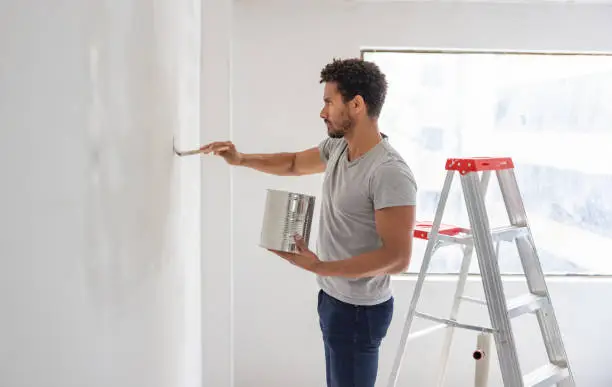
Small spaces are cozy by their nature, yet bad decisions regarding how they are designed will make them appear very confined. There are simple ways through which a person can change the look of the room; painting is one of such methods. Through the use of paint in a room, a lot can be done in changing the look of the room and creating illusions of more space, lighting and connection. Through understanding what paint can do for the room, one can create spaciousness anywhere.
Choose Light Colors
Light colors are considered some of the best ways to make a small room look bigger. Colors such as soft white, cream, pale grey, light beige, and pastel colors will reflect more light and thus add brightness to the room. In cases where the walls are light, the limitations imposed by the room become less apparent especially if the room receives natural light. Such colors will give the room an easy and flexible background to be used with various furniture, artworks, and other decorative materials.
While white color is common, one does not have to use only white paint in decorating the walls. Neutral warm colors can add comfort while keeping the room looking spacious. One can use light beige color in the living room and light blue or light green in the bedroom. All this will depend on the lighting, furnishings, and the ambiance of the room. The best way to select colors is through testing various samples of the color on different walls in the room.
Maintain Consistent Wall Colors
One method that will ensure consistency in small rooms is the application of the same color on all walls in the room. If the colors on the neighboring walls are alike, then the boundary between walls becomes less apparent. This technique is most suited for small living and sleeping spaces where too many contrasting colors could be disruptive. The use of the same wall color will help homeowners create focal points through the use of furniture and decorations.
Another technique that can be adopted is the consideration of the relationship between walls, ceilings, and trims. Trims can be painted to blend in with the wall or in a slightly lighter color to give an appearance of continuity while the ceiling can be painted the same color as the walls or a little darker than the walls to create an appearance of continuity. There are certain rooms that use one color family in both upper and lower sections of the rooms.
Use Light Colors on the Ceiling
The ceiling contributes to the feeling of the room space as well. With a light colored ceiling, one may be able to use the lighting effects to create an illusion of extra height in case of light walls as well. The white and light colors may help draw people’s attention upwards while not burdening the ceiling visually. This approach would work well in rooms that lack enough lighting or have low ceilings, because the dark color on the ceiling might give people the feeling of being trapped in the room.
At the same time, the connection between the wall and ceiling colors should also be considered. If one needs a ceiling color that will highlight the walls’ color, then the homeowner should pick the color that would contrast with the wall. Otherwise, in case the wall and ceiling should look continuous, the transition of colors will be smooth. In the case of a small ceiling, it would be good to choose a light color for the ceiling.
Coordinate Paint With Lighting
Lighting and color of paint have an impact on the perception of a room’s size. Natural light may make light colors look brighter during daytime, while artificial light will affect how warm/cool such colors will look at night time. Homeowners should experiment with different colors of paints and observe them under different lighting, since it will prevent them from making wrong choices and help select the color that will look great in the room during any time of the day.
Another important aspect that influences the feeling of a room is the distribution of lighting fixtures. Wall lamps, ceiling lamps and well-placed lamps will make dark spots lighter. Together with the right choice of color of walls, it will make the room feel cozier. Mirrors and other reflective decorations can be used for such purposes too.
Consider Paint Finishes
It is important to remember that the type of the paint finish can affect the way how light behaves on the surfaces of the room. Usually, matte and eggshell finishes are recommended for walls as these types allow achieving the look of the surface without any excessive glossiness. It may sometimes be good to use a slightly reflective finish as it will spread the light better but glossy surfaces can show even minor defects of the walls and can reflect light which will be distracting.
The painting finish may also depend not just on the personal taste and style, but also on the function of the room as well. For example, a washable finish may prove to be useful in the kitchen and hallway, since these spaces get used more frequently and are in need of regular cleaning. The bedroom is likely to accommodate the finish that will help create a softer appearance, while the small bathroom may need something special. Using appropriate tools, including quality rollers and brushes, can also help produce a more consistent result and reduce visible application marks.
Use Color to Create Depth
Even though light colors usually contribute to creating an illusion of spaciousness inside rooms, appropriate usage of dark colors can achieve a similar effect. The application of darker tones for an accent wall will create depth because all attention will be drawn to a particular wall rather than equally dividing it among all the walls of the room. For instance, the use of muted blue tones for a wall that is located at the end of a room may create the impression of depth and add a focal point to the room.
Accent colors should be used carefully in order not to split the interior space visually. Painting only one wall and keeping other walls in light colors may suffice. Depth can also be created with help of artwork, fabrics, and furniture rather than through the contrast of different colors of the walls. The elements that relate to the outdoor furniture can be an interesting point to get the idea for the combination of colors in the interior space even when discussing neutral colors.
Prepare the Walls Properly
Properly prepared walls are sure to make the room look even more pleasant after painting. Some cracks, holes, peeling and rough spots are easier to notice when the walls are brightly lit up. It is important for the homeowner to clean the surface properly and repair all the imperfections. This will help achieve a nice smooth finish and will allow the homeowner to see the desired result.
It takes patience and some practice to perform the painting task. It will be useful for the homeowner to take care about protecting the floor and the furniture from the paint. It will also be important to make sure that there is enough time for proper drying. This way the homeowner will get better results.
The painting of walls with paints as a means of creating an illusion of space in a room is more than just painting the room with lighter colors. The process involves the use of smooth wall finishes, correct ceiling colors, correct finishes, lighting, and correct surface preparations. Through the selection of the right colors for your house, one creates the impression of brightness and comfort in the room since homeowners can select colors that complement natural light and other materials in the room.