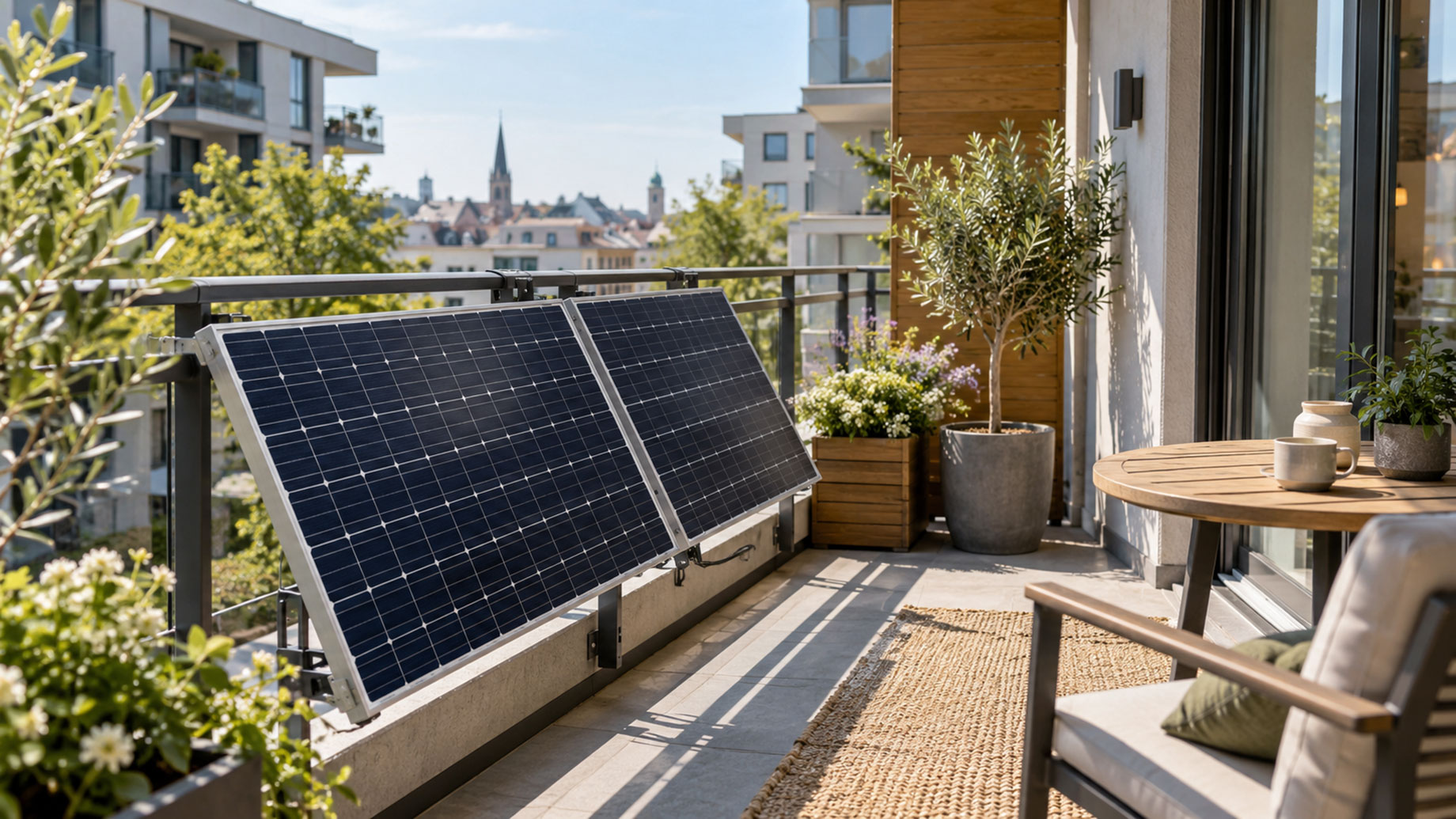
For a long time, home solar seemed closely tied to detached houses, large roofs, and major installation projects. Apartment residents were often left watching from the sidelines, even when they were interested in producing some of their own electricity. That picture is changing as compact systems become more practical, and balcony solar panels are giving people with smaller outdoor spaces a new way to explore renewable energy. Instead of needing an entire roof, residents can look at balconies, terraces, and other sunny areas as potential places for a modest setup. With the right conditions, permissions, and equipment, solar can become part of apartment living in a surprisingly approachable way.
Apartment Living Is No Longer a Barrier
The biggest change is simply that solar equipment has become more flexible. Traditional installations are still valuable, but they are no longer the only route available to households interested in renewable energy.
Compact systems are designed for people who have limited space and may not control the roof above them. A sunny balcony or terrace can sometimes provide enough room for a small number of panels, allowing residents to generate a portion of the electricity they use during the day.
That does not mean every apartment is suitable, of course. Still, the possibility itself is important. It opens the door to residents who may have assumed solar was completely unavailable to them.
Small Spaces Can Still Produce Useful Energy
A compact setup will not usually supply an entire apartment with electricity, but it can still contribute to everyday consumption. The amount generated depends on panel size, sunlight, orientation, shading, season, and local weather conditions.
Even a modest contribution can be useful. Electricity produced during sunny hours may help support devices, appliances, or general household use, depending on how the system is connected and how energy is consumed in the home.
For many people, the goal is not total independence from the grid. It is simply to reduce reliance on it where possible and make better use of sunlight that is already reaching the property.
Sunlight and Position Make a Real Difference
Before choosing any compact solar setup, it helps to take a close look at the available space. A balcony that receives several hours of direct sun may perform very differently from one shaded by another building for most of the day.
Direction matters too. In many locations, certain orientations receive stronger or more consistent sunlight than others. Railings, nearby trees, awnings, neighboring balconies, and surrounding buildings can all affect how much energy a panel can realistically produce.
This is why a little planning is worth the effort. Measuring the space and observing sunlight at different times of day can give a much clearer picture of what is practical before any equipment is purchased.
Building Rules Should Be Checked Early
Apartment solar involves more than finding a sunny spot. Building regulations, landlord requirements, homeowners association rules, electrical standards, and local laws may influence what residents are allowed to install.
That can include restrictions on attaching equipment to railings, altering the exterior appearance of a building, or connecting generation equipment to the electrical system. Secure mounting is also essential because panels installed above ground level must be able to handle wind and other environmental conditions safely.
Checking these details before buying anything can prevent disappointment later. A suitable system should fit both the physical space and the rules that apply to the property.
Simple Technology Makes Solar More Approachable
One reason compact solar has gained attention is that the technology feels less intimidating than it once did. Many systems are built around a relatively simple combination of panels, an inverter, mounting equipment, cables, and optional monitoring tools.
The inverter plays an important role because it converts the electricity produced by the panels into a form that can be used by compatible household systems. Monitoring features can also help residents see how much electricity is being generated over the course of the day.
That visibility makes solar feel more tangible. Instead of being an abstract idea, it becomes something residents can watch, measure, and understand through everyday use.
Energy Awareness Often Comes With the System
Generating electricity at home tends to make people more curious about when and how they use power. Once solar production becomes visible, it is natural to start noticing which appliances run during daylight hours and which habits could be adjusted.
Someone might choose to charge devices, run a washing machine, or use certain appliances when solar production is stronger. These changes do not need to be dramatic to be useful.
The simple act of paying closer attention can lead to more thoughtful energy habits. For apartment residents, that awareness can become an added benefit, making the system useful not only as a source of electricity but also as a practical lesson in household consumption.
Renters May Have Options Too
Homeowners are not the only people interested in small-scale solar. Renters may also have possibilities, depending on the property, local rules, and the type of equipment being considered.
The important part is getting permission where necessary and avoiding permanent changes that are not allowed. Portable or less invasive solutions may be more appropriate for some rental situations, although suitability should always be checked carefully.
For renters who expect to move in the future, flexibility can be especially appealing. A smaller system may feel more realistic than investing in a full property upgrade that cannot travel with them.
A Practical Step Toward More Accessible Solar
The most interesting part of compact solar is how it changes who can participate. Renewable energy is no longer relevant only to people with large homes and private roofs. Apartment residents, renters, and people living in dense urban areas are increasingly part of the picture.
The right setup still depends on sunlight, space, local regulations, building permissions, and safe installation. Those details matter, and skipping them can turn a promising idea into an expensive mistake.
When the conditions are suitable, though, small-scale solar can be a practical way to use an overlooked part of the home. A balcony or terrace may never replace a full rooftop installation, but it can still become a useful energy-producing space. For people who want to take a manageable first step toward renewable power, that possibility makes apartment living feel far less limiting than it once did.
