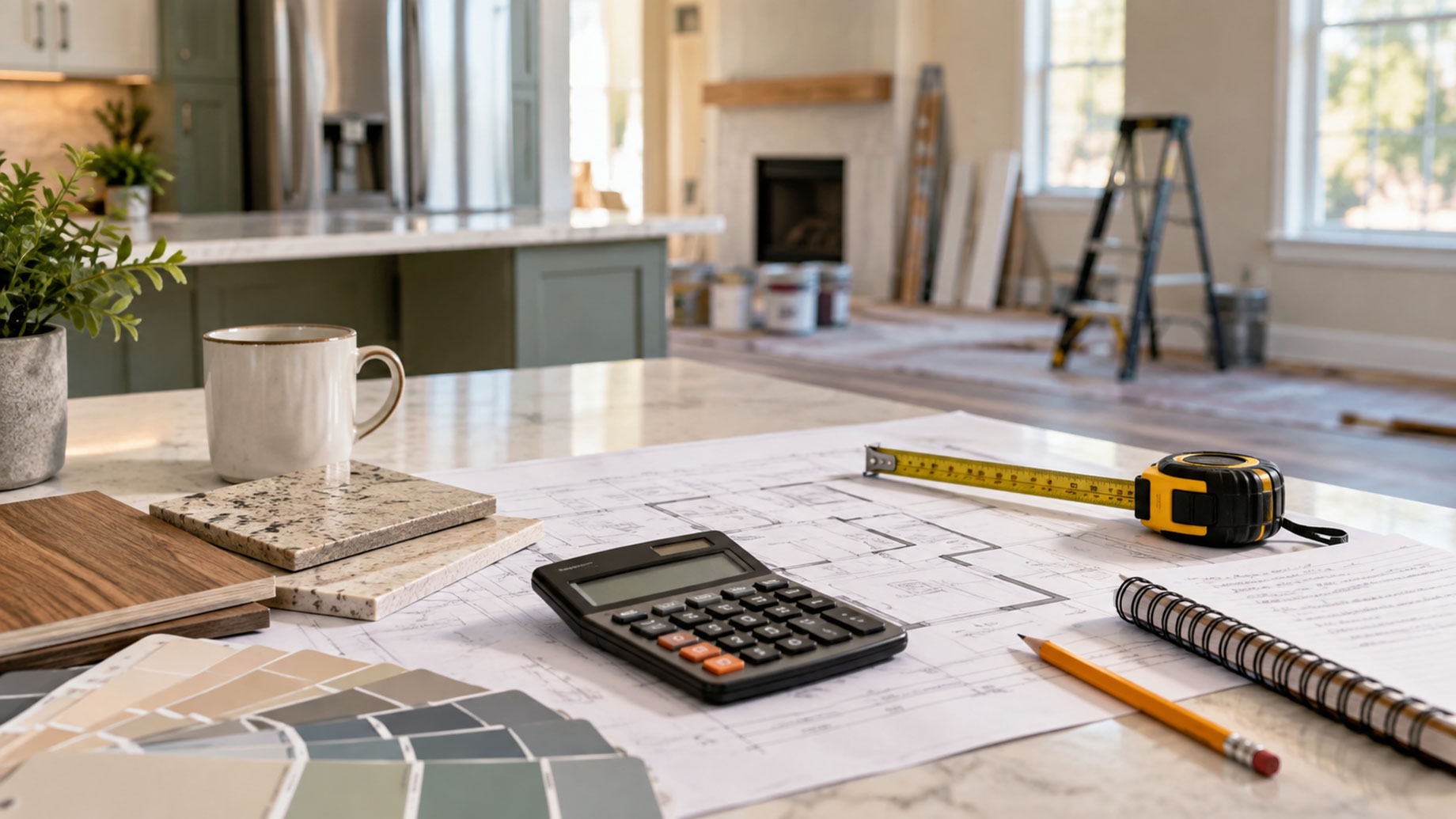
Good home projects usually begin long before the first board is cut, the first tile is lifted, or the first brush touches a wall. Careful measurements and realistic estimates can make the process feel organized from the start. Home Project Calculator’s suite of estimating tools can be especially useful when you need to work out quantities, compare materials, or build a shopping list without relying on rough guesses. That preparation may seem small, but it can prevent wasted trips, missing supplies, and frustrating pauses once work is underway.
Start With Measurements You Can Trust
Every project depends on numbers, even the ones that look simple at first. Painting a bedroom means knowing the wall area. Replacing flooring means understanding square footage. Building a patio or garden border may require measurements for length, width, depth, and material coverage. Guessing can feel faster in the moment, but inaccurate dimensions have a habit of showing up later as extra cost or extra work.
Taking time to measure carefully gives the rest of the project a stronger foundation. It also makes conversations with suppliers or contractors easier because you already have useful figures in hand. A calculator then turns those measurements into something practical, helping you move from “about this much” to a clearer estimate you can actually plan around.
Know What You Need Before You Shop
Home improvement stores can be inspiring places, but they can also become expensive very quickly when you shop without a plan. It is easy to add extra bags, boxes, boards, or tins simply because you are unsure how much the job will require. On the other hand, buying too little can mean stopping mid-project and making another trip when you would rather be finishing the work.
Calculating quantities beforehand gives your shopping list a purpose. You can estimate how many boxes of flooring you may need, how much mulch will cover a garden bed, or how many gallons of paint should handle the walls you measured. That makes buying materials feel calmer and more deliberate, especially when several products or sizes are available.
Build a More Realistic Budget
A project budget is much easier to manage when the material quantities are reasonably clear. One of the biggest problems with rough budgeting is that small errors multiply. A few extra boxes here, another delivery there, and suddenly the total is much higher than expected.
Once you know approximately how much material is required, comparing prices becomes far more meaningful. You can look at the cost per box, bag, board, or gallon and see how each option affects the overall spend. Maybe a premium material still fits comfortably. Maybe a more affordable alternative makes better sense. Good calculations do not make the decision for you, but they give you the information needed to choose with confidence.
Reduce Waste Without Cutting Things Too Close
Buying exactly the calculated amount is not always the best approach. Many home projects need a reasonable allowance for cuts, breakage, pattern matching, mistakes, or future repairs. Flooring, tile, wallpaper, pavers, and lumber are good examples. The trick is finding a sensible balance rather than purchasing a large amount “just in case.”
This is where planning becomes more useful than simple arithmetic. A calculator can help establish the base amount, then you can add an appropriate waste allowance depending on the material and type of work. That creates a more practical order, one that recognizes real-world conditions without filling the garage with leftovers you may never use.
Compare Materials Before Making a Final Choice
Two materials can look similar on the shelf while behaving very differently in a project. Coverage rates, package sizes, thicknesses, installation requirements, and prices can vary enough to change the final quantity and cost. Without doing the math, it is easy to compare products only by the price printed on the label.
A simple calculation can reveal a different picture. One product may cost more per package but cover a larger area. Another may require additional underlayment, fasteners, adhesive, or finishing products. Looking at the full quantity needed makes comparisons much more useful. Instead of choosing based on one number, you begin to see what each material is likely to mean for the entire job.
Keep the Work Moving Once You Begin
Few things interrupt the rhythm of a home project faster than discovering that something important is missing. The room may already be cleared, tools are out, old materials have been removed, and everyone is ready to keep going. Then one missing box, fitting, bag, or tin brings everything to a stop.
A detailed estimate helps reduce that risk. Before starting, you can review the numbers and turn them into a complete shopping list that includes main materials as well as supporting items. For example, a flooring project may also need underlay, trim, spacers, adhesive, or transition pieces. Thinking through the job in advance makes it easier to spot these details before they become delays.
Use Estimates as a Guide, Not a Guarantee
Even a carefully prepared estimate should be treated as a planning tool rather than an absolute promise. Homes are full of irregular corners, uneven surfaces, hidden damage, old repairs, and measurements that do not always behave perfectly once work starts. That is part of what makes renovation and DIY projects interesting, and occasionally surprising.
The goal is not to predict every possibility. It is to begin with better information. A good estimate gives you a sensible starting point, helps you prepare financially, and makes it easier to notice when something changes during the work. When an unexpected issue appears, you can adjust from an informed position instead of starting from scratch.
A Little Math Can Make the Whole Project Feel Easier
Home improvement is often more enjoyable when the practical details have been handled before the messy part begins. Accurate measurements, sensible quantity estimates, a realistic budget, and a complete shopping list can remove much of the uncertainty that slows projects down. It becomes easier to focus on the satisfying parts, seeing a tired room become fresh again, watching a new surface take shape, or finally completing a job that has been waiting for attention.
Using a calculator is not about making a project complicated. It is about making the planning simpler. A few minutes spent checking dimensions and estimating materials can save time, reduce waste, and help avoid unnecessary expense later. For homeowners who want a smoother start and fewer interruptions, that small bit of preparation can make a surprisingly big difference.
