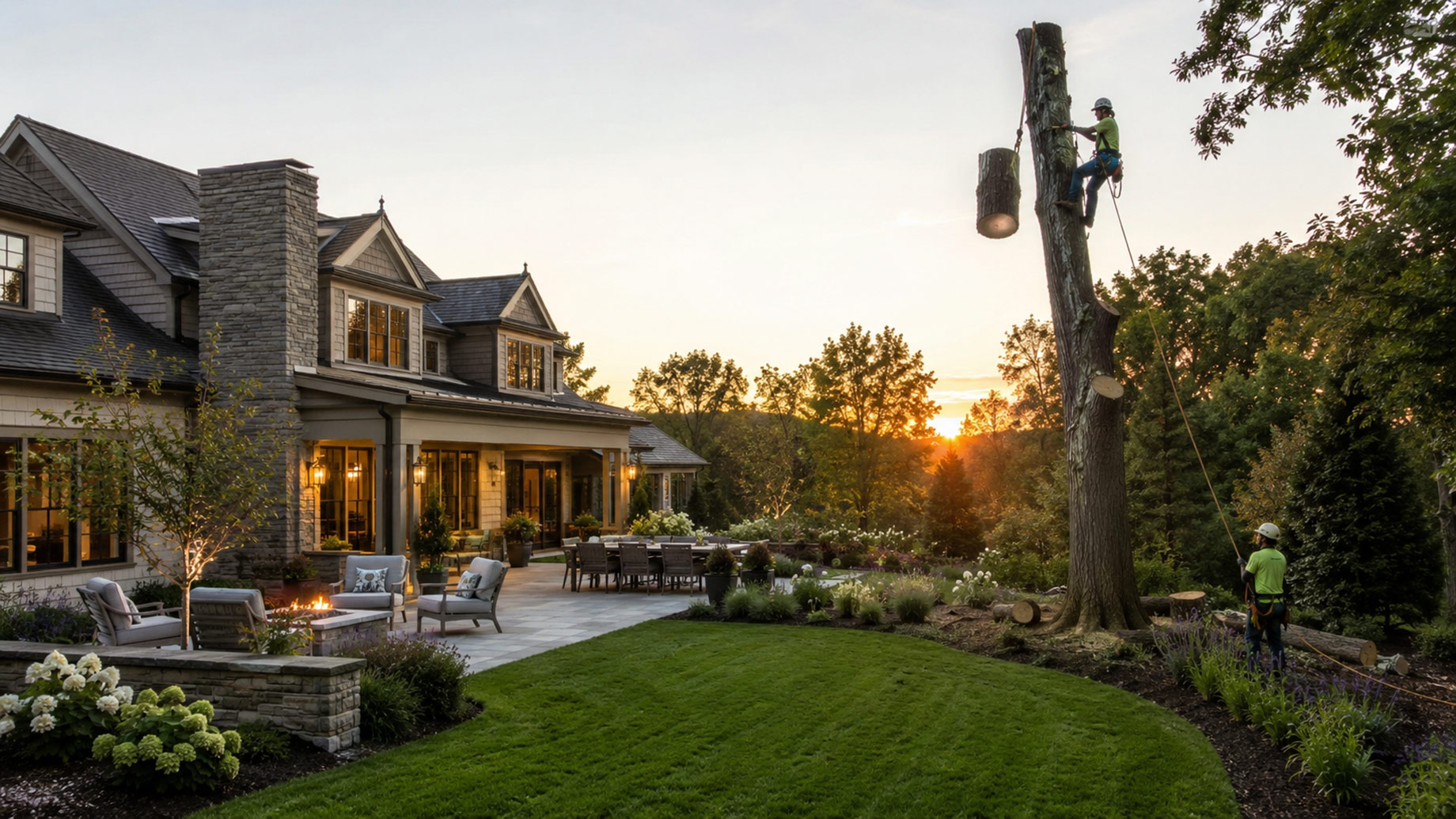
A mature tree can give a garden shade, character, and permanence, but sometimes that same tree begins to limit how the property can be used. It may block sunlight from a patio, crowd a planned extension, interfere with new planting, or sit in the wrong place for a changing landscape. Homeowners considering tree removal Lynn MA services may be thinking beyond safety alone and looking at how professional removal could open new possibilities for the entire outdoor area. With careful planning, taking out one unsuitable tree can create room for better access, healthier planting, more usable living space, and a garden that suits the household today.
Landscape Plans Often Change Over Time
Gardens rarely stay exactly as they were when a property was first bought. Families grow, outdoor habits change, and areas that once worked well may begin to feel cramped or underused.
A tree planted decades earlier may now dominate a small yard or cast shade over spaces that homeowners would prefer to use for seating, gardening, or entertaining. In other cases, a new garage, extension, walkway, or pool may require a different layout.
Professional assessment helps determine whether pruning could solve the issue or whether removal makes more sense. That distinction matters because a healthy tree may still have value, even if its location is becoming inconvenient.
More Sunlight Can Transform the Garden
Removing a large canopy can change the feel of an outdoor space almost immediately. Areas that once stayed shaded for most of the day may receive enough sunlight for lawns, flowering plants, vegetables, or a brighter patio.
This does not mean every shady tree should disappear. Shade can be valuable during hot weather and may protect parts of the home from strong afternoon sun. The aim is balance.
A tree specialist can help homeowners understand how much light a tree blocks and what the garden may look like after removal. That makes it easier to plan new planting instead of discovering later that the area has become much brighter than expected.
New Outdoor Living Areas Need Room to Work
Patios, decks, fire-pit areas, pergolas, and outdoor kitchens need more than a spare patch of ground. They need sensible access, comfortable proportions, and enough surrounding space to feel inviting.
A mature tree growing directly through the best part of the yard can make those plans difficult. Roots may affect excavation, while branches can limit rooflines or create ongoing maintenance around a new structure.
When removal is part of a broader design, the tree should be considered early rather than after construction begins. This gives landscapers, builders, and tree professionals the chance to coordinate access and reduce disruption to completed areas.
Construction Projects Can Put Existing Trees Under Pressure
Home extensions and major garden projects can affect trees even when the trunk is not directly in the construction zone. Roots often extend beyond the visible canopy, and excavation, soil compaction, or drainage changes can damage them.
Sometimes a tree that appears out of the way may still conflict with foundations, utility work, retaining walls, or new paving. In those situations, professional advice becomes especially useful.
Removing a tree before major construction may be safer and more practical than leaving it in place only to discover later that its roots were severely disturbed.
Professional Removal Helps Protect Nearby Features
Taking down a tree in a developed garden is rarely as simple as dropping it into an open field. Fences, sheds, patios, planting beds, driveways, and neighboring properties may all be close by.
Experienced crews can dismantle the tree in sections, using ropes, rigging, lifting equipment, or other methods to control where branches and trunk pieces move. This reduces the chance of damaging features that homeowners intend to keep.
Careful access planning matters too. Equipment routes should be considered so lawns, paving, and planting are not damaged unnecessarily.
Stump Decisions Should Fit the New Design
Once the tree is gone, the remaining stump becomes part of the next planning decision. Leaving it in place may be acceptable in a natural corner, but it can get in the way of new turf, paving, planting, or construction.
Stump grinding can lower the remaining wood below ground level and make the area easier to reuse. Homeowners should remember that larger roots may remain in the soil and decay over time.
The future use of the space should guide the decision. A flower bed has different requirements from a patio foundation, so discussing the next stage before removal can help avoid duplicated work.
Tree Removal Can Create Better Planting Opportunities
Losing one large tree does not have to mean losing the character of the garden. Removal can create the chance to introduce plants better suited to the available space and long-term plans.
A smaller ornamental tree, layered shrubs, native planting, or a group of carefully positioned species may provide color and structure without overwhelming the yard. New planting can also be placed with mature size in mind, reducing the chance of repeating the same problem decades later.
Thinking about replacement before removal helps the transition feel intentional rather than empty.
Not Every Landscape Problem Requires Removal
A good landscape plan should consider alternatives too. Selective pruning may improve light levels, provide clearance, or rebalance a canopy without taking the entire tree down.
Crown reduction, deadwood removal, or targeted branch removal may be appropriate depending on the species and condition. In some situations, redesigning a path or seating area around the tree may create a better result.
Professional guidance is valuable because tree health, structural condition, and future growth all need to be considered alongside design preferences.
A Better Garden Starts With a Clear Plan
Removing a tree can be a major change, but it can also become the first step toward a more useful and attractive outdoor space. More sunlight, better access, room for construction, and new planting opportunities may all follow when the work is planned carefully.
The strongest results come from looking beyond the removal itself. Homeowners should think about what will replace the tree, how the stump will be handled, which surrounding features need protection, and how the space will function several years from now.
Professional tree specialists can make that transition easier by assessing the site, choosing a controlled removal method, and coordinating the work with wider landscaping goals. When each decision supports the next, the garden can evolve without feeling stripped of character. Instead, the property gains space for a new chapter, shaped around how the household wants to use and enjoy the outdoors.
