The British weather has always been unpredictable, but the last few summers have taken things to another level. One week, you’re ankle-deep in rain, and the next, you’re watching your flowerbeds slowly crisp in a heatwave that nobody asked for.
More homeowners are rethinking their outdoor spaces so they can cope with both extremes instead of constantly recovering from them. Better still, most of the changes are surprisingly simple and won’t cost a fortune.
So, if you want a garden that thrives through the chaos, keep reading.
Garden Design Is Evolving
The way we plan our gardens is changing, and the real work starts long before a single plant goes into the ground.
Traditional layouts were designed around looks. You’d pick your favourite plants, arrange them nicely, and hope for the best. But when summer storms dump a month’s worth of rain in an afternoon, and July rolls around with barely a drop, the cracks start to show.
Now, practical features like permeable paving, rain gardens, and improved drainage are being worked into designs from day one.
Permeable surfaces let water soak into the ground instead of pooling on patios or flooding borders. On the other hand, rain gardens, which are shallow planted dips in the landscape, capture runoff and filter it naturally instead of sending it straight into your drains.
Creating shade has become more important, too. For example, adding trees and pergolas strategically helps protect both plants and people during hot spells.
These features used to be nice extras you’d tack on at the end of a project, but they’re now shaping the whole plan. So, if you’re working with a creative garden design service, you’ll find that climate resilience is baked into the conversation from the first consultation.
Planting Choices Are Changing
The plants that thrived in your parents’ garden aren’t always the best picks anymore.
Around 20 years ago, you could plant almost anything in a UK garden and trust the mild, damp climate to keep it happy. But with hotter summers, wetter winters, and the occasional droughts, those old favourites are struggling.
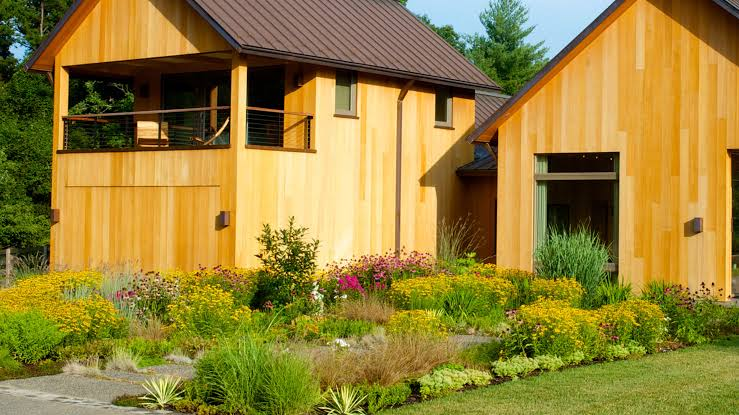
This doesn’t mean your garden has to look sparse or dull. A well-chosen mix of drought-tolerant and moisture-loving species will give you colour and texture all year round. You’re just stacking the odds in your favour instead of betting against the weather.
Here are a few excellent picks:
- Lavender and echinacea. These beauties earn their place in any garden. They’re colourful, fragrant, and cope brilliantly with dry spells.
- Ornamental grasses. They add incredible texture and movement to your borders without demanding constant attention.
- Native wildflowers. Because they’ve spent centuries adapting to our local weather, they’re naturally equipped to handle the unexpected.
Healthy Soil Is Becoming a Bigger Priority
If your plants keep struggling despite your best efforts, the real issue might be hiding right under your feet.
Most of us spend more time thinking about plants than the soil they’re growing in. But healthy soil is one of the most effective tools you have against unpredictable weather, and gardeners across the country are finally paying attention.
Well-structured soil acts like a sponge. During heavy rain, it absorbs and holds water instead of letting it run off the surface. During dry spells, that stored moisture keeps the roots hydrated for longer.
You can improve both drainage and water retention by working in organic matter like compost or well-rotted manure. Once your soil is in better shape, mulching will help you keep it that way.
Spread a decent layer of bark chips or garden compost over your beds, and you’ll reduce evaporation, suppress weeds, and feed the soil as it breaks down. You can pick up bags from Wickes or your local garden centre for very little, and the payoff is enormous.
How to Create a Climate-Resilient Garden
You don’t need to rip everything out and start from scratch. A few thoughtful adjustments can make your garden far better equipped for whatever comes next, and you can spread the work across seasons.
Work With Your Garden’s Conditions
A shade-loving fern planted in blistering sunlight will struggle no matter how much you water it. But put it in the right spot, and it’ll practically look after itself.
So, before you spend a penny at the garden centre, take a walk outside and see what you’re working with. Which areas get baked in full sun, and which spots stay in deep shadow? Where does water pool after a storm, and where does it dry out first?
You can also test your soil by squeezing a handful of damp earth. If it holds its shape, you’re dealing with clay. If it crumbles apart, it’s sandy.
Improve Water Management
You can’t control the weather, but you can make your garden much better at coping with it.
For dry spells, a water butt connected to your downpipe is one of the easiest upgrades you can make. Collected rainwater is free, better for most plants than tap water, and it takes the pressure off during hosepipe bans.
Drip irrigation systems are a great addition, too, because they deliver water directly to the roots instead of wasting it on paths and leaves.
For the other extreme, check that your drainage system is doing its job. Waterlogged borders kill plants just as effectively as drought. Raised beds, French drains, or simply improving soil structure with grit and organic matter can all help water move through your garden.
Build Resilience Gradually
You may be tempted to tackle everything at once, but that’s a fast track to burnout and an empty bank account.
- This autumn. Pick one single flowerbed and give its soil some love with a good layer of compost or manure.
- Next spring. Hook up a water butt to your downpipe so you can start catching those seasonal showers before the summer heatwaves and hosepipe bans arrive.
- The year after. Now that the foundations are set, you can comfortably tackle a slightly larger project, like introducing a rain garden feature.
Within a couple of seasons, you’ll have a garden that handles extremes far better than it did before without the stress or cost of a full redesign.
Conclusion
The British weather isn’t going to change its ways any time soon, so your garden might as well be ready for it.
Climate-resilient gardens tend to be lower-maintenance, more wildlife-friendly, and honestly better-looking than the high-effort alternatives. What are you waiting for? Try out our hacks and see the difference for yourself!