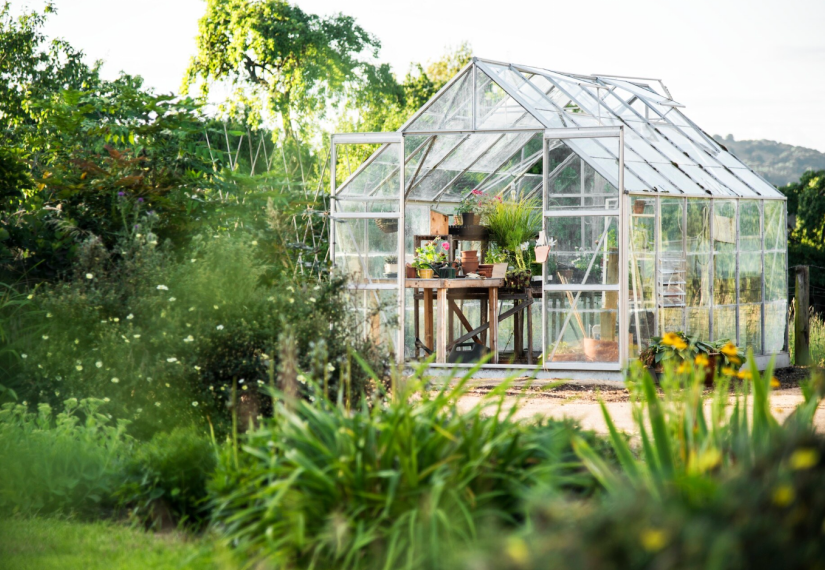
Alt text: Greenhouse surrounded by greenery showing how to keep a greenhouse warm in winter
Winter has a way of testing every greenhouse operation at once. A cold snap rolls in, the wind picks up, and suddenly the temperature inside your structure is dropping. For growers running a business on tight margins, that kind of night can mean losing a full crop cycle before morning.
How to keep greenhouse warm in winter comes down to a few things working together. First is how well your structure holds heat. Second is how you generate that heat. Third is how you move air so the warmth reaches every plant. Skip one of those, and the other two end up working overtime.
This guide tells you how to keep greenhouse warm in winter so your crops make it to spring in good shape.
Why Does Greenhouse Heat Loss Happen So Fast?
A greenhouse loses heat through nearly every surface it has. Glass and poly film hold far less heat than a wall in a standard building. It means warm air escapes almost as fast as your heater produces it.
A few common culprits drive most of that loss:
- Gaps around vents, doors, or foundation seams that let cold air seep in unnoticed
- Single-layer covering material that offers little resistance to outside temperature swings
- Thin or missing insulation along the north wall, where cold exposure tends to be worst
- Older heating equipment that cycles on and off instead of holding a steady temperature
Once you know where the heat is going, you can start closing those gaps. Don’t add more heat to compensate for them.
What’s the Right Way to Insulate a Greenhouse for Winter?
Insulation is where most growers get the best return on their winter prep. A well-sealed structure holds heat longer. It means your heating system doesn’t have to run as hard or as often.
A few upgrades make the biggest difference:
- Double-layer poly film with an air gap between layers: The trapped air acts as a buffer. So outside cold has to work through two barriers instead of one before it reaches your plants.
- Bubble insulation along the north-facing wall: This side takes the brunt of winter wind. A layer of bubble wrap slows heat loss right where it’s needed most.
- Thermal curtains or blankets after dark: These trap heat close to the plants at night. They don’t let it rise and escape through the roof once the sun goes down.
- Sealed foundation gaps and weatherstripped doors: Cold air sneaks in through the smallest openings. Sealing them stops steady drafts that a heater alone can’t offset.
None of these steps require a full structural overhaul. They target the specific areas where heat naturally slips out. They pay for themselves once fuel costs are factored in.
While you’re weighing these upgrades, it’s worth thinking about the exposure that comes with running a cold-weather growing operation. A frozen pipe or a heater malfunction can damage a crop cycle just as fast as a cold snap can. Many growers pair their winter prep with greenhouse business insurance built for these exact risks. So, a single equipment failure doesn’t turn into a season-ending loss.
How to Keep Greenhouse Warm in Winter While Managing Humidity and Airflow?
Sealing a greenhouse tight enough to hold heat also traps moisture. That moisture creates its own set of problems. Poor airflow leads to condensation, and condensation invites mold and fungal disease.
A few habits keep humidity in check without letting heat escape:
- Run a horizontal airflow fan system: These fans keep warm air moving evenly through the space. This avoids letting it pool near the roof while the growing zone stays damp.
- Crack a vent briefly during the warmest part of the day: A short window lets excess moisture escape without giving up much of the heat you’ve worked to hold onto.
- Check humidity levels with a hygrometer: Assumptions tend to miss slow buildups. A reading tells you exactly when conditions are drifting toward disease-friendly territory.
- Space plants to allow airflow between rows: Tight spacing traps humid air around foliage. It, therefore, raises the odds of mildew even when your ventilation system is working properly.
Balancing warmth and airflow is a routine. Growers who check it daily through the winter tend to avoid the disease outbreaks that catch others off guard.
Alt text: Greenhouse owner presenting flower options to a potential customer
Source
How Do You Protect Crops During Extreme Cold Snaps?
Even a well-prepared greenhouse can struggle during an unusually sharp cold snap. Having a response plan ready before that happens makes the difference between a scare and a real loss.
A few backups are worth having in place before the temperature drops:
- Row covers placed directly over sensitive crops: These add a second layer of insulation right at plant level, buying time if the main heating system falls behind.
- Water barrels positioned inside the greenhouse: Water absorbs heat during the day and releases it slowly overnight. It works as simple thermal mass that keeps temperatures from crashing after dark.
- A generator sized for your heating load: Power outages during winter storms are common. A generator keeps your heaters running when the grid can’t.
- A monitoring alarm tied to your thermostat: An alert that notifies you of a temperature drop overnight gives you a chance to respond before damage sets in.
Growers who build these backups spend less time reacting to emergencies and more time managing the season as planned.
Building a Routine for How To Keep Greenhouse Warm In Winter
Winter heat management works best as a daily habit rather than a set-it-and-forget-it task. Checking your thermostat readings each morning or watching the weather forecast closely add up over a full season.
A short daily checklist tends to work better when thinking about how to keep greenhouse warm in winter:
- Heaters and thermostats should function correctly before nightfall: Catching a malfunction in daylight is far easier than discovering it during a subzero night.
- Check for condensation buildup: Heavy condensation signals your airflow balance is off and needs adjusting before mold takes hold.
- Inspect seals and door gaps for new damage: Materials shift and wear through the season. Small gaps widen quickly under repeated freeze-thaw cycles.
- Review the forecast for sudden temperature drops: Knowing what’s coming gives you time to add row covers or fire up backup heat before conditions turn.
Getting your greenhouse through winter takes planning on the growing side and on the business side. NIP Group works with growers across the country through GrowPro. It’s a program built specifically for greenhouse and controlled environment operations. It’s also backed by carriers rated A+ by AM Best. This means they carry a superior financial ability to pay out claims when a grower needs them to. Coverage built around the realities of cold-weather growing gives operators one less thing to worry about once the temperature drops.
FAQs
- How much does it cost to heat a greenhouse in winter?
Heating costs vary widely based on greenhouse size and fuel type, along with the local climate. But most small commercial operations spend several hundred to a few thousand dollars per month during peak winter. Additionally, electric heaters tend to cost more to run than propane or natural gas systems.
- How to keep greenhouse warm in winter without a heater?
Keeping a greenhouse warm without a heater relies on trapping and storing existing heat rather than generating new heat. Effective approaches include:
- Water barrels or dark-colored containers that absorb daytime sun and release it overnight.
- South-facing orientation to maximize direct sunlight exposure during short winter days.
- Compost piles placed inside or against the structure, which give off heat as they decompose.
- Deep mulching around plant beds to hold soil warmth longer after sunset.
- What temperature should a greenhouse be kept at in winter?
Most greenhouses do best between 50°F and 65°F at night, with a 10 to 15 degree rise during the day. Cold-hardy crops tolerate the lower end. The tropical or seedling varieties need the warmer end of that range.
- Do greenhouses stay warm on their own in winter?
Greenhouses trap some heat naturally through sunlight during the day, but they lose it quickly once the sun sets. Without added insulation, thermal mass, or a heat source, most structures drop close to outdoor temperatures overnight.