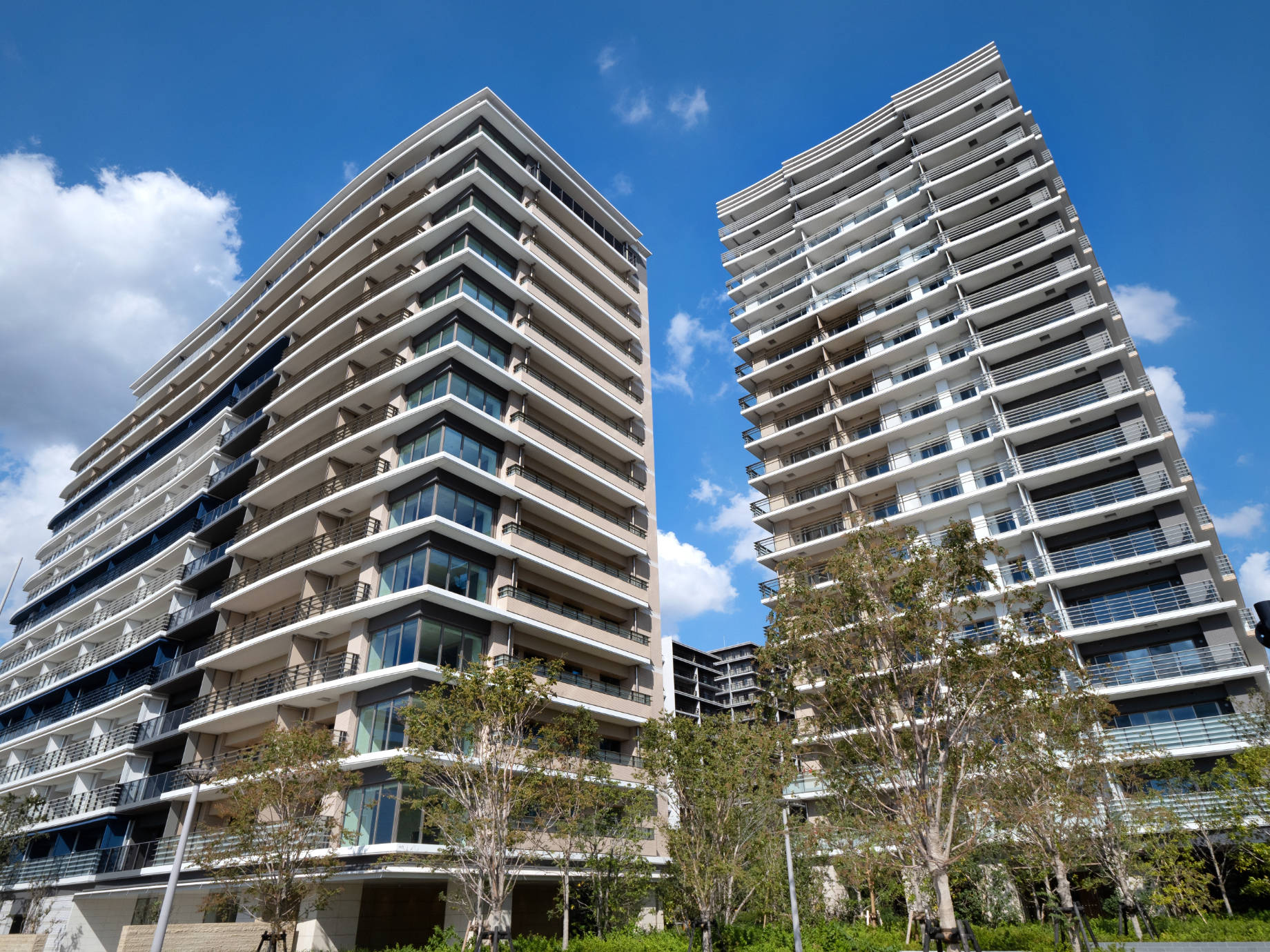
Tokyo’s luxury residential market appeals to international buyers for practical reasons as well as lifestyle ones. The city has strong transport links, high construction standards, established professional services, and a legal framework that allows foreign nationals to own property outright.
Whether you are considering a penthouse near the Imperial Palace gardens or a low-rise residence on the quieter streets of Daikanyama, the purchase process is more manageable when you understand the local terms and steps.
This guide covers where to focus your search, how to read a Japanese listing, what the purchase path looks like, and which costs and checks to plan for.
It is educational, not legal or financial advice. For specific tax calculations, visa implications, or contract terms, consult a licensed local professional.
How Tokyo’s Luxury Apartment Market Works
Condominiums in Japan are often called mansions, or manshon. In this context, the term simply means a multi-unit residential building, usually built with reinforced concrete or steel-reinforced concrete.
Most luxury purchases are freehold: you own the unit plus a proportional share of the land beneath the building. Leasehold structures exist but are less common in the high-end segment.
You will see both new developments sold directly by developers and resale units on the secondary market. Each has trade-offs, including tax treatment, warranty coverage, unit size, and the ability to assess the building’s management history.
Building management associations also set rules on renovations, pets, and rental use; buyers considering absentee ownership should compare those by-laws with practical context on renting in Tokyo before assuming a leasing strategy.
Where to Buy: Core Luxury Areas by Lifestyle
Tokyo’s best luxury area depends on how you plan to use the property. Commute, school access, privacy, nightlife, green space, and building type can matter as much as the address itself.
Minato (Azabu, Aoyama, Akasaka)
Minato is home to embassies, international schools, and many of Tokyo’s taller residential towers. Azabu-Juban and Roppongi offer dining and nightlife within walking distance, while Aoyama leans toward fashion, design, and quieter side streets.
Shibuya (Hiroo, Ebisu, Daikanyama)
This area offers boutique dining, galleries, and independent retail. Hiroo is quieter and popular with expatriate families. Daikanyama and Nakameguro attract buyers who prefer a village-like pace with strong design and food scenes.
Chiyoda and Chuo (Marunouchi, Ginza, Nihonbashi)
These are prestige addresses near the Imperial Palace and Tokyo Station. Supply is limited, and available buildings often emphasize concierge services, security, and easy access to business districts.
Meguro and Setagaya
Meguro, especially Nakameguro, offers design-forward mid-rise living along the Meguro River. Setagaya’s Denenchofu neighborhood provides leafy, low-density residential streets that feel removed from central Tokyo’s density.
How to Read a Japanese Listing
Japanese property listings pack a lot of information into a standardized format. These are the fields that matter most during an early review.
- Station name and walking minutes. Distance is usually measured from the station exit to the building entrance and stated in minutes.
- Unit size (m²). Listings quote exclusive area, or senyu menseki, which typically excludes balconies and shared spaces. If you see tsubo, one tsubo is roughly 3.3 m².
- Layout code. Notations like 1LDK or 2LDK indicate the number of bedrooms plus a combined living-dining-kitchen space. A 2LDK has two bedrooms and one LDK room.
- Year built and structure. RC means reinforced concrete, and SRC means steel-reinforced concrete. The build year helps you check which seismic standards applied at the time of construction.
- Monthly costs. Management fees, or kanrihi, and repair reserve funds, or shuzen tsumitatekin, are paid monthly on top of any mortgage.
- Floor, orientation, and extras. Higher floors and south-facing units often command premiums. Listings may also note parking availability, pet policies, storage lockers, and concierge services.
What Makes an Apartment Luxury in Tokyo
Location within a core ward matters, but it is not the only factor. Luxury is also shaped by developer and architect reputation, views, natural light, privacy features, sound insulation, on-site amenities, secure parking, and the quality of building management.
A well-funded repair reserve and an active owners’ association can be just as important as finishes and lobby design because they affect long-term maintenance and resale appeal.
Step-by-Step Purchase Path for Overseas Buyers
- Initial consultation and proof of funds. Engage a bilingual agent. If you need financing, begin lender conversations early because mortgage availability and loan-to-value ratios for non-residents vary by bank and residency status.
- Shortlist and viewings. Virtual tours can narrow the field. In-person visits help confirm noise levels, light quality, building upkeep, and neighborhood feel.
- Purchase application. Submit a written offer, sometimes accompanied by a small application deposit.
- Contract and deposit. The deposit is commonly 5 to 10 percent of the purchase price, but terms should be confirmed in the contract.
- Explanation of Important Matters. Before signing, a licensed agent delivers a statutory disclosure covering the property’s legal status, restrictions, and building rules.
- Closing. A judicial scrivener, or shiho shoshi, handles ownership registration and collects registration and license tax on behalf of the buyer.
- Key handover. Final payment clears, keys are delivered, and utilities are transferred.
Total Cost Planning
The purchase price is only part of the outlay. Plan for these common cost categories and confirm current rates with your agent, tax advisor, or the relevant authority.
- Brokerage fee. This is capped by law and commonly calculated by formula for transactions above a specified threshold, with consumption tax added.
- Stamp duty. This is paid on the sale contract.
- Registration and license tax. This is collected at closing by the judicial scrivener.
- Property acquisition tax. This is assessed after purchase, with possible reductions for qualifying residential properties and specific filing deadlines.
- Consumption tax. This applies to the building portion of new properties and to services such as agency fees. Land is generally exempt.
- Insurance and pro-rated management or repair funds. These are settled as part of closing and early ownership costs.
- Annual ownership costs. Fixed asset tax and city planning tax apply to owners. Condominium land shares can affect how these are assessed.
New-Build vs. Resale
New-build units offer fresh finishes, current amenities, and warranty coverage, but consumption tax applies to the building portion. Resale properties may offer larger footprints for the price, established management records, and the ability to verify actual views, noise, and light.
In older buildings, review the repair reserve fund, inspection history, and any planned major works before making an offer.
Due-Diligence Checklist
- Confirm the building permit date relative to the 1981 seismic standard and later revisions.
- Review engineering inspection reports and the repair reserve fund balance.
- Read management rules on pets, interior renovations, and rental use.
- Check short-term rental, or minpaku, restrictions. National registration is required, and building by-laws or ward-level ordinances may further restrict or ban short-term letting.
- Assess noise, wind, and sunlight from the specific floor and orientation.
- Confirm parking allocation and EV-charging options.
- Review local flood and landslide hazard maps if applicable.
Where to Browse Listings and Practice Decoding
Reading real listings is one of the fastest ways to get comfortable with station distances, layout codes, and the amenity details that distinguish one building from another.
To see how these fields appear in practice, browse apartments for sale in Tokyo and compare a few properties side by side. Even before you engage an agent, this research can make your shortlist more focused.
Quick Shortlist Checklist
- Station walk and line access
- Building pedigree, developer reputation, and management quality
- Unit orientation and floor level
- Floor plan efficiency, including usable m² versus listed exclusive area
- Noise and privacy assessment
- Amenity fit, such as concierge, guest suites, fitness, and parking
- Monthly running costs, including management fee and repair reserve
- By-law review for pets, renovations, and rental restrictions
- Seismic compliance and repair history
- Professional team, including bilingual agent, judicial scrivener, and tax advisor
Tokyo’s luxury market rewards preparation. With a clear shortlist, a sound understanding of the cost structure, and the right professional team in place, the path from first viewing to key handover can be straightforward. Use the checklist above as a starting point for your next conversation with a local advisor.
