Many seniors want to remain in their own homes as they age. Home feels familiar, private, and comfortable. It is where daily routines are already established and where many older adults feel most in control of their lives. But as people age, normal parts of the home can become harder to manage. Stairs may feel steeper, bathrooms may feel less secure, and walking from the bedroom to the kitchen may take more effort than it used to.
Home modifications are one of the first steps families can take to make aging at home safer. Simple updates like grab bars, brighter lighting, stair railings, shower chairs, ramps, and clutter-free walkways can make a major difference. Still, home updates alone may not solve every challenge. When a loved one also needs help with bathing, meals, mobility, memory support, reminders, or companionship, families may benefit from guidance and support from a trusted senior care agency.
The mind set is not to make the home feel like a medical facility. The intention is to make everyday life safer, easier, and more comfortable so seniors can continue living with dignity and confidence.
1. Home Modifications Help Reduce Fall Risks
Falls are one of the biggest safety concerns for older adults. A fall can happen quickly during ordinary routines, such as getting out of bed, stepping into the shower, walking down the hallway, or reaching for something in the kitchen. Even a small trip or slip can lead to pain, loss of confidence, or a major change in independence.
Home modifications help reduce these risks by making the environment easier to move through. Grab bars near the toilet and shower can provide support. Non-slip mats can reduce slipping on wet floors. Better lighting can help seniors see steps, rugs, and furniture more clearly. Stair railings can make climbing stairs safer. Removing loose rugs, cords, and clutter can also lower the chance of tripping.
Home safety updates are even more effective when paired with movement and strength support. Families can ask a doctor or physical therapist about safe fall prevention exercises for seniors, such as supported balance practice, sit-to-stand movements, heel raises, and gentle walking routines. A safer home helps reduce hazards, while appropriate exercise may help seniors stay steadier and more confident.
2. They Help Seniors Stay Independent Longer
Many older adults worry that asking for help means losing independence. In reality, home modifications often protect independence by making daily tasks easier to do safely.
For example, a senior who is nervous about bathing may feel more confident with a shower chair, grab bars, and a handheld showerhead. Someone who struggles with stairs may be able to move more safely with better railings or a ramp. A person who has trouble bending or reaching may benefit from keeping everyday items at waist or shoulder level.
These changes help seniors do more for themselves without taking unnecessary risks. Independence does not always mean doing everything without help. Sometimes it means having the right setup so a person can continue participating in their own routines.
A safer home can also protect dignity. Seniors may feel better when they can move around their own space, use the bathroom more safely, and complete personal routines with less fear.
3. They Make Daily Routines Easier and More Comfortable
Home modifications are not only about preventing accidents. They are also about making daily life more comfortable.
Aging can make routine tasks harder. Bathing, dressing, cooking, walking, getting out of a chair, and climbing stairs may require more effort. If the home is not set up well, these tasks can become frustrating or even unsafe.
Small changes can make a big difference. A raised toilet seat can make bathroom use easier. A shower bench can reduce fatigue during bathing. Easy-grip handles can help seniors with arthritis or weak hands. Nightlights can make nighttime bathroom trips safer. A firm chair with armrests can make sitting and standing easier.
The more comfortable the home is, the more likely seniors are to keep up with daily routines. This matters because avoiding showers, skipping meals, or limiting movement can slowly affect health and confidence.
4. They Support Aging in Place
Aging in place means staying at home as long as it is safe and realistic. For many seniors, this is deeply important. They may not want to leave the home where they raised a family, built memories, or created a familiar daily rhythm.
Home modifications make aging in place more practical. They allow the home to adjust as the senior’s needs change. A house that worked well at age 60 may need updates at age 75 or 85. The goal is to prepare the home before a crisis happens, not after a serious fall or hospitalization.
Aging in place also supports emotional comfort. Seniors may feel calmer when they are surrounded by familiar rooms, furniture, photos, neighbors, and routines. For people with memory changes, familiar surroundings can be a calming experience because too much change may increase confusion or stress.
Home modifications help protect that familiarity while making the space safer.
5. They Give Families More Peace of Mind
Families often worry when an aging loved one lives alone. They may wonder if their parent is safe walking to the bathroom at night, climbing stairs, cooking meals, or moving around the home without help.
Home modifications can reduce some of that worry. A well-lit hallway, a grab bar near the toilet, a clear path from the bedroom to the bathroom, and a shower chair can all make daily routines safer. Emergency alert systems, easy-to-reach phones, and safer entryways can also give families more confidence.
Peace of mind matters because family caregivers often carry constant mental stress. Even when they are not physically present, they may be worrying about what could happen. A safer home does not remove every concern, but it can reduce preventable risks and help families feel more prepared.
The best time to make changes is often before a major accident happens. Waiting until after a fall can create more stress and urgency.
6. Important Bathroom Modifications for Seniors
The bathroom is one of the most important areas to modify because it combines hard surfaces, water, tight spaces, and frequent movement. Many falls happen during bathing, toileting, or getting in and out of the shower.
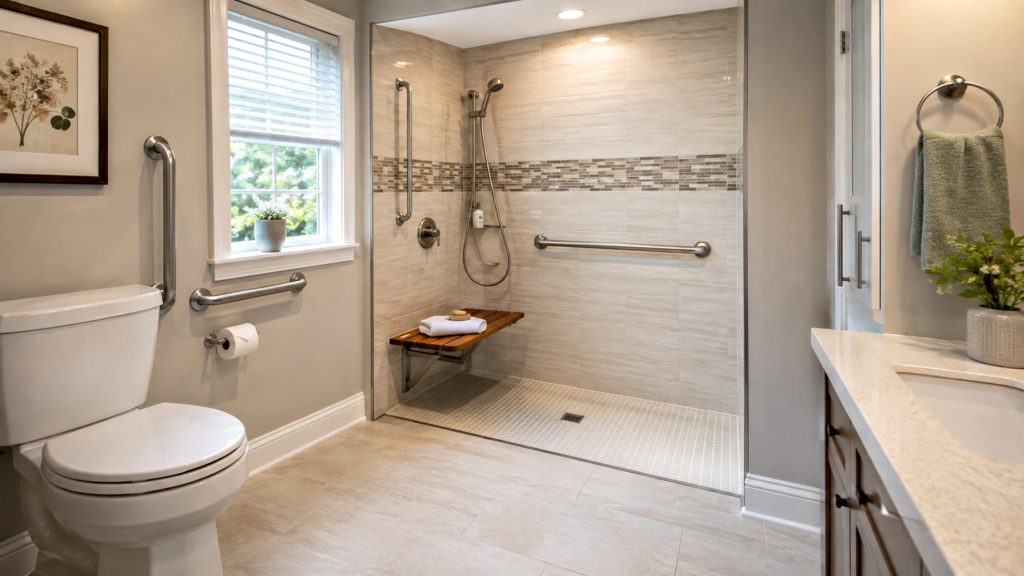
Helpful bathroom modifications may include grab bars near the toilet and shower, a shower chair or bench, non-slip flooring, a raised toilet seat, a handheld showerhead, and brighter lighting. Families should also remove loose rugs and make sure towels, soap, shampoo, and clothing are easy to reach.
A walk-in shower may be helpful for some seniors, especially if stepping over a bathtub wall has become difficult. For others, smaller changes may be enough to improve safety.
Bathroom modifications should focus on both safety and dignity. Many seniors feel embarrassed when they begin needing help with bathing or toileting. A safer bathroom can help them feel more secure and less dependent.
7. Bedroom and Living Area Safety Updates
Bedrooms and living areas should be easy to move through, especially at night. A senior may wake up tired, disoriented, or in a hurry to use the bathroom. Poor lighting or clutter can increase the chance of a fall.
Helpful updates include removing loose rugs, keeping walkways clear, placing nightlights near the bed and hallway, keeping a phone within reach, and making sure the bed is at a safe height. If appropriate, a bed rail may help some seniors sit up or reposition safely.
In the living room, furniture should be arranged with wide, clear walking paths. Chairs should be sturdy and easy to get in and out of. Frequently used items like glasses, remotes, books, tissues, and water should be placed within easy reach to reduce bending and stretching.
These changes may seem small, but they help seniors move more safely during the routines they repeat every day.
8. Kitchen Modifications That Support Safer Daily Living
The kitchen can become risky for seniors because it involves heat, sharp tools, bending, reaching, standing, and carrying items. A senior who once cooked confidently may begin to struggle with heavy pots, high shelves, slippery floors, or remembering whether an appliance is turned off.
Kitchen modifications can make meal routines safer. Store everyday dishes, snacks, and cooking tools at waist or shoulder level. Improve lighting near counters and the stove. Use easy-grip utensils if hand strength is reduced. Keep floors dry and clear. Remove unnecessary clutter from counters and walkways.
For seniors with memory loss, safety may require more than home changes. Automatic shut-off appliances, simple routines, and supervision may be needed if there is a risk of leaving burners on or forgetting food in the oven.
A safer kitchen can help seniors continue enjoying meals at home, but families should watch for signs that cooking is becoming unsafe or too tiring.
9. Home Modifications Are Helpful, But Not Always Enough
Home modifications are important, but they cannot replace human support in every situation. A grab bar cannot remind someone to use it. A ramp cannot prevent dizziness. A nightlight cannot stop wandering. A shower chair cannot help someone who needs physical assistance getting in and out of the shower.
Some seniors need help because of memory loss, weakness, poor balance, vision changes, loneliness, or difficulty managing daily routines. They may forget meals, miss medications, avoid bathing, become confused at night, or feel isolated for long hours.
This does not mean home modifications are not useful. It means they are one part of a larger safety plan. For some families, the right plan includes both a safer home and caregiver support.
The safest approach is usually practical and flexible: improve the home environment, monitor changing needs, and add support when daily routines become harder or unsafe.
10. When Families Should Consider Home Modifications
Families should consider home modifications as soon as they notice early signs of difficulty. Waiting until a serious fall or emergency can make the process more stressful.
Common signs include trouble climbing stairs, fear of bathing alone, difficulty getting up from a chair or bed, poor lighting in hallways, cluttered walkways, recent falls, near-falls, use of a cane or walker, or difficulty reaching everyday items.
Families should also pay attention to changes in confidence. If a senior avoids certain rooms, stops showering regularly, no longer cooks, or stays seated most of the day because they are afraid of falling, the home may need safety updates.
A simple home safety review can help families identify the highest-risk areas first. For many seniors, the bathroom, stairs, bedroom, and kitchen are the best places to start.
FAQs
What are the most important home modifications for seniors?
The most helpful modifications often include grab bars, non-slip flooring, better lighting, clear walkways, stair railings, shower chairs, raised toilet seats, and easy-to-reach daily items.
Which room should families modify first?
The bathroom is usually the first priority because it has a high risk of slips and falls. Grab bars, shower seating, non-slip surfaces, and good lighting are especially important.
Do home modifications help seniors live independently?
Yes. Home modifications can make daily routines safer and easier, which may help seniors remain more independent and confident at home.
Are home modifications enough for seniors with dementia?
They help, but they may not be enough. Seniors with dementia may also need reminders, supervision, routine support, and help with safety risks such as wandering, confusion, or leaving appliances on.
When should families start making home modifications?
Families should start when they notice balance issues, mobility changes, fear of falling, difficulty bathing, trouble with stairs, or any sign that daily routines are becoming unsafe.
Conclusion
Home modifications are an important part of helping seniors age safely at home. They can reduce fall risks, make daily routines easier, support independence, and give families more peace of mind.
But a safer home is only one part of the picture. Some seniors may also need help with meals, bathing, mobility, memory support, companionship, or supervision. The best aging-at-home plan often combines practical home updates with the right level of daily support.
Making changes early can help seniors feel safer, more comfortable, and more confident in the place they know best: home.
