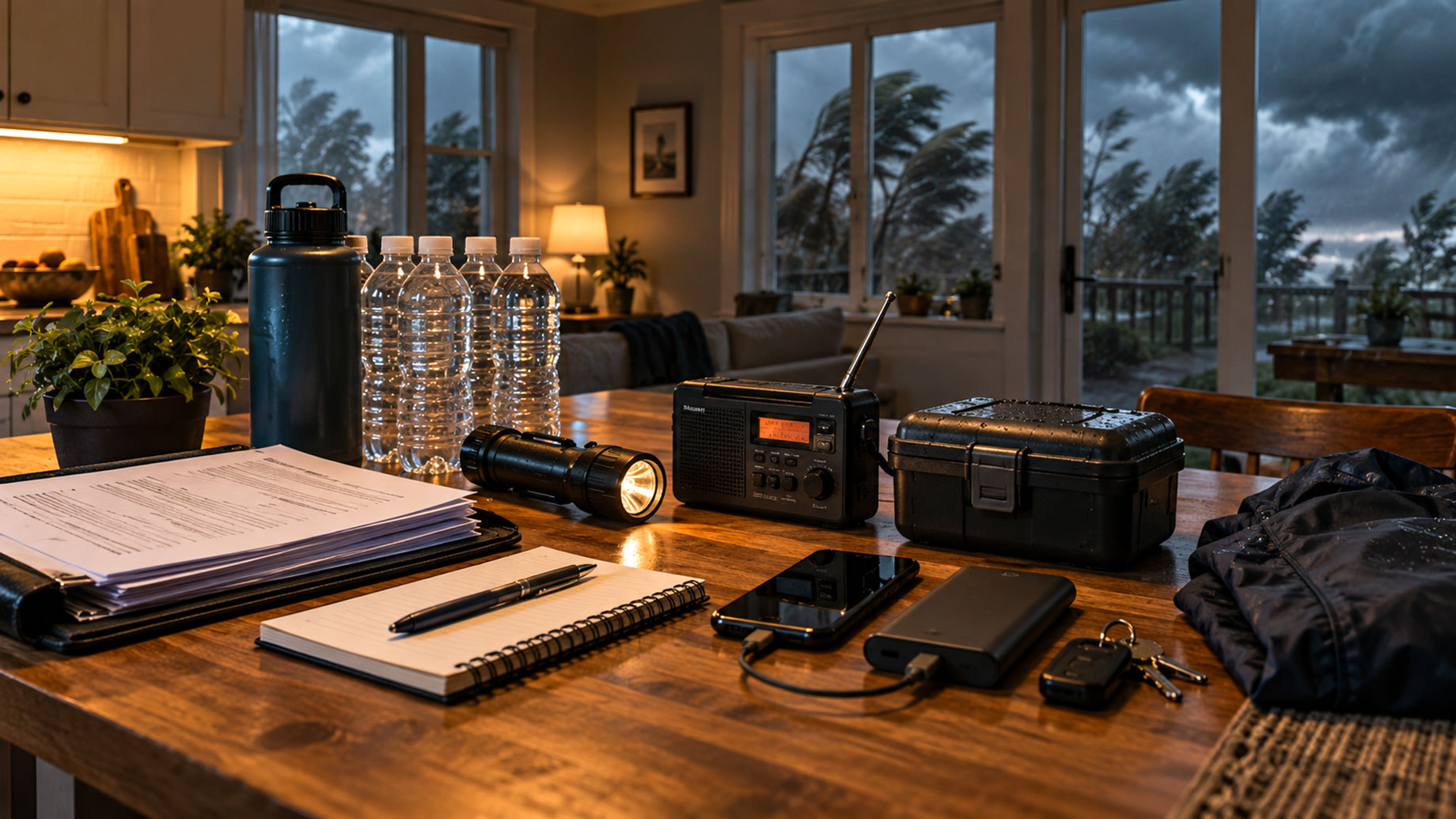
As much as you can prepare, sometimes Mother Nature has her own plans. Hurricanes, tornadoes, hail, flooding, and other major storms can develop or change course quickly, leaving limited time to protect your property. The financial stakes can be significant, too. The National Centers for Environmental Information reported that the United States experienced 27 weather and climate disasters with losses exceeding $1 billion each in 2024. Together, those events caused approximately $182.7 billion in damage.
You can’t control the weather, but you can take care of a few important tasks before an emergency. From reviewing your home insurance to documenting your property and preparing for an outage, these seven steps can help protect your household and leave you better prepared if you need to file a claim.
1. Know What Your Policy Actually Covers
Homeowners insurance generally provides protection against certain weather-related losses, but coverage depends on the policy, cause of damage, exclusions, limits, and deductibles. Not every type of storm damage is treated the same way.
The Insurance Information Institute notes that standard homeowners policies generally cover damage from events such as fire, lightning, and hail. Flood and earthquake damage typically require separate coverage. The National Flood Insurance Program similarly states that most homeowners and renters insurance policies do not cover flood damage.
Before severe weather threatens your area, review three areas of your policy:
- Weather-related coverage: Look at which perils are covered and whether you have any separate policies or endorsements for risks common to where you live.
- Deductibles: A deductible is the amount you are responsible for paying toward a covered loss. Some homeowners policies may have separate deductibles for certain disasters, including wind or hail.
- Exclusions and limits: Find out what your policy specifically excludes and whether certain belongings or types of property have separate coverage limits.
According to Mercury Insurance, a yearly disaster-preparedness checkup should include reviewing your policy’s declarations page to confirm that coverage limits still reflect recent renovations, major purchases and current rebuilding costs. Homeowners should also verify their deductible and additional living expenses coverage, which may help with costs such as temporary housing if the home becomes uninhabitable after a covered loss.
If any part of the policy is unclear, contact your insurer or agent as soon as possible. A coverage conversation is much easier when you aren’t also watching an emergency alert on your phone.
If that review reveals gaps in your coverage — or simply has you wondering whether your current protection still fits your needs — consider getting a homeowners insurance quote to explore other coverage options and limits.
2. Create a Home Inventory
Could you list everything in your kitchen right now? How about your garage, closets, or home office? After a major loss, remembering every possession — along with what you paid for it — can be difficult.
A home inventory gives you a record to work from. FEMA preparedness materials recommend maintaining a household inventory with photos or video and keeping copies in secure locations.
You don’t need an elaborate system to get started. Walk through your home one room at a time and:
- Photograph or record video of furniture, electronics, appliances, and other belongings.
- Capture serial numbers, model numbers, or other identifying details for major purchases when possible.
- Save receipts for expensive items, particularly recent purchases.
- Note valuable jewelry, artwork, collectibles, or other belongings that may have special insurance considerations.
- Update your inventory when you make a significant purchase or get rid of something valuable.
Your insurer may ask for documentation to help verify what you owned and the value of damaged or missing belongings, so photos, receipts, serial numbers, and other records can be useful when you need to support a claim.
3. Document Your Home Before the Storm
Your belongings aren’t the only things worth photographing. A pre-storm record of the house and surrounding property can help establish what everything looked like before severe weather arrived.
Take clear photos or video of:
- The roof, including visible shingles or roofing materials
- Siding and exterior walls
- Windows and exterior doors
- Gutters and downspouts
- Fences, sheds, and other structures
- Patios, decks, and outdoor equipment
- Vehicles parked on the property
Capture wide shots that show the overall condition, along with closer images of important areas. If there is existing wear or damage, document that, too. Pre-disaster photographs can be useful when establishing storm-related damage and making claims.
4. Protect the Most Vulnerable Areas
Once your records are in order, turn your attention to the house itself. Loose objects, clogged drainage, and vulnerable openings can leave your home more exposed to wind and heavy rain.
A quick exterior check should include:
- Clear gutters and drains. Remove leaves, branches, and other debris so water has somewhere to go.
- Secure outdoor belongings. Bring patio furniture, umbrellas, grills, toys, tools, and lightweight decorations indoors when appropriate, or secure them according to manufacturer guidance.
- Look over windows and doors. Check for obvious damage or loose components and close and lock them before the storm.
- Inspect the roof from a safe location. Look for visible loose or missing materials. Avoid climbing onto a roof when severe weather is approaching.
- Trim potential hazards ahead of time. Routine tree and landscaping maintenance can help address weak or dead branches before high winds arrive.
5. Know How to Shut Off Utilities
A storm is not the ideal time to discover that nobody in the household knows where the main water valve is.
Learn the location of your home’s utility controls before an emergency. Depending on your home, that may include:
Water
Find the main water shutoff valve and learn how it operates. Turning off the water may be appropriate if a pipe breaks or your plumbing system is damaged, but follow instructions from local officials or a qualified professional when necessary.
Gas
Locate the gas shutoff and understand your utility provider’s emergency procedures. Don’t shut off natural gas simply as a routine storm precaution unless local authorities or your utility advise you to do so. If you smell gas or suspect a leak, leave the area and follow emergency instructions from your gas provider or fire department.
Centers for Disease Control (CDC) guidance for tornado recovery says that if you smell gas or see a broken gas line, the main valve should be shut off from the outside. A professional must restore service after the gas has been turned off.
Electrical Panel
Know where the main electrical panel and breaker are located. Avoid touching electrical equipment if you are standing in water or if the equipment is wet. If you see damaged wiring, sparks, or signs of an electrical fire, move to safety and contact the appropriate emergency or utility professionals.
6. Prepare for Power Outages
Severe weather and power outages often go together. Ensuring Your supplies are charged and ready beforehand can make the first hours without electricity much easier.
Prepare by:
- Fully charging phones, power banks, and rechargeable batteries.
- Keeping flashlights and fresh batteries in an easy-to-find location.
- Using surge protectors where appropriate to help protect electronics.
- Checking that battery-powered or battery-backup smoke and carbon monoxide alarms work.
- Following manufacturer instructions for any generator you plan to use.
- Keeping a battery-powered or hand-crank weather radio available so you can receive emergency updates if cellular service or household power is unavailable.
Use Generators Safely
Portable generators can be useful during an extended outage, but improper use creates a serious carbon monoxide risk. The CDC reports that each year, more than 400 Americans die from unintentional, non-fire-related carbon monoxide poisoning, while more than 100,000 visit emergency departments.
Never run a portable generator inside a home, basement, or garage, even with doors or windows open. The CDC says generators should operate outdoors more than 20 feet from windows, doors, and vents. Homes using generators should have battery-powered or battery-backup carbon monoxide detectors.
7. Keep Insurance Information Accessible
After a damaging storm, you don’t want to search through drawers for a policy number or discover that important records are inside an inaccessible home. Gather the insurance information you might need before severe weather arrives:
- Insurance company name and contact information
- Policy number
- Agent contact information, if applicable
- Policy documents and declarations pages
- Home inventory
- Receipts and records for significant purchases
- Photos and videos documenting your home and belongings
Don’t Forget Other Critical Documents
In addition to insurance records, you’ll want to safeguard other important household documents and information, including:
- Birth certificates, passports, driver’s licenses, and other identification
- Mortgage documents, deeds, or rental agreements
- Financial account and tax information
- Health insurance information, prescriptions, and medication lists
- Wills, trusts, and powers of attorney
- Pet ownership and identification records
- Emergency contact information
See the FEMA guide on safeguarding critical documents and valuables for more information.
Store Everything Safely
Once you’ve gathered these records, make sure a disaster at home can’t take your only copies with it. FEMA recommends keeping important paper documents in a fireproof and waterproof box or safe, a bank safe deposit box, or with a trusted friend or relative. Electronic copies can be password-protected and stored on removable storage kept in a protected location or through a secure cloud-based service.
Make sure another trusted household member knows where your emergency records are stored and how to access them if needed.
Pre-Storm Insurance Checklist
When severe weather is in the forecast, run through these final checks:
- Coverage reviewed, including deductibles, exclusions, and relevant weather-related risks
- Home inventory updated and stored securely
- Interior belongings and exterior property photographed
- Roof, windows, doors, gutters, and drains checked
- Outdoor furniture and other loose items secured or moved inside
- Water, gas, and electrical shutoffs located and understood
- Phones, power banks, and backup batteries charged
- Generator safety procedures reviewed, if applicable
- Emergency and utility contacts saved
- Policy number and insurer contact information readily available
- Digital copies of insurance and other important documents stored securely
Preparation is about more than protecting property and keeping good records — your safety comes first. Stay alert to changing conditions, follow local emergency guidance, and leave when officials tell you to evacuate.
