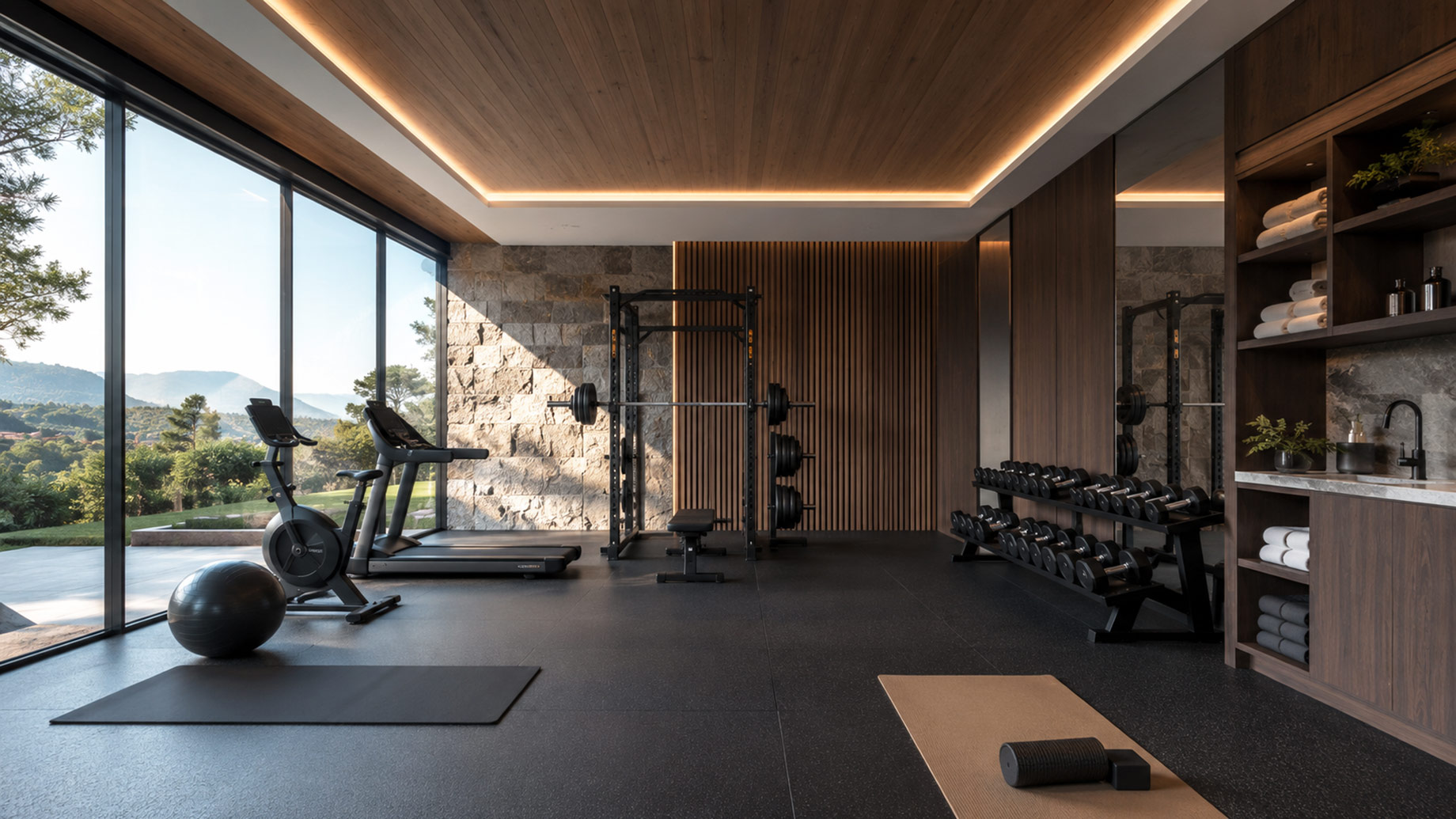
Luxury homes in 2026? They’re not what they used to be. Buyers are after more than just a gourmet kitchen or a sprawling backyard. Wellness matters now, and home gyms have quietly climbed to the top of the wish list.
Maybe you’re skeptical—thinking a home gym is just a passing fad. Turns out, the numbers don’t agree. Buyers keep asking for them, and homes with private workout spaces tend to fetch higher prices. There’s something about saving time, skipping membership fees, and never waiting for a squat rack that’s hard to beat.
So, what’s behind the ongoing demand for home gyms in 2026? Let’s poke around at why this feature isn’t going anywhere, how it stacks up against other wellness upgrades, and what it could mean if you’re buying—or selling—in the near future.
The Enduring Appeal Of Dedicated Fitness Spaces
The home gym has shifted from a “nice perk” to something buyers expect. Two big reasons: working out at home is practical, and wellness is now woven into how people think about living well.
Privacy, Convenience, And Time Efficiency
Having a gym at home? You dodge the drive, the crowds, and the clock. That’s a chunk of time back every day, and honestly, who doesn’t need that?
Privacy is a big deal, too. No awkward eye contact or waiting for someone to finish their set. You just do your thing—whenever you want.
It’s flexible. Early riser or night owl, your gym’s always open. No need to plan around someone else’s hours or routines.
With more remote work and less rigid schedules these days, a gym just down the hall fits into those weird gaps in your day that a 30-minute drive never could.
Wellness As A Core Luxury Expectation
The old idea of luxury—just space and shiny surfaces—feels a bit tired now, doesn’t it?
Now, wellness is part of the deal. People want homes that help them feel better, not just look good on a brochure.
That means your fitness space should be more than a dumping ground for equipment. Good lighting, real ventilation, and materials that make it feel like somewhere you’d actually want to spend time—those details matter.
Buyers look at a thoughtfully designed workout area the same way they eye a chef’s kitchen or a spa bathroom. It says the home is built for your long-term well-being, not just to impress at an open house.
Designing A Home Gym That Supports Long-Term Value
A home gym that’s actually worth it? It needs to fit your space, use solid equipment, and avoid pitfalls like bad airflow or noise. If you get layout flexibility, quality systems, and smart placement right, you’re in good shape—literally and financially.
Flexible Layouts And Multi-Use Planning
Your gym shouldn’t just do one thing. If it’s only for lifting, what happens if you get into yoga next year?
Open floor space is your friend. It lets you swap between strength, cardio, or stretching without tearing everything out. That’s future-proofing, more or less.
Some quick layout ideas:
- Open zones: Keep at least one spot clear for stretching, yoga, or bodyweight moves
- Modular storage: Racks and shelves you can move around as your gear changes
- Multi-purpose flooring: Surfaces that handle heavy weights but still feel good for a quick HIIT session
This kind of flexibility? It’s a selling point for future buyers with their own routines and quirks.
Premium Equipment, Ventilation, And Technology
Even the best equipment won’t last if the room’s a mess. Bad air ruins machines and makes you want to skip your workout.
Think about adding a dedicated HVAC line or a proper exhaust fan. Keeps your gear cool and dry—and your space smelling, well, less like a gym bag.
For tech, go for stuff that actually helps you train:
- Smart mirrors or screens for following workouts
- Built-in speakers with clean wiring—no tripping hazards
- Charging stations for your gadgets
Stick with equipment brands that last and have replacement parts. That’s a lot more valuable in the long run than flashy features that might not even work next year.
Location, Storage, And Noise Control
Where you put your gym can totally shape how often you use it—and even what your home’s worth down the road. A gym next to bedrooms or on a shared wall? That’s just asking for noise complaints.
Honestly, basements and garages usually win for sound control. But if you’re stuck building on the main floor, try using sound-dampening insulation in the walls and underfoot. It’s not perfect, but it helps.
Storage is a whole other beast. If you don’t have a plan, equipment piles up fast:
| Storage Type | Best For |
|---|---|
| Wall-mounted racks | Small weights, resistance bands |
| Built-in cabinets | Towels, mats, accessories |
| Floor-standing racks | Barbells, larger plates |
Having a solid storage setup keeps clutter down and makes the space way more inviting—plus, it might even help sell your place someday.
