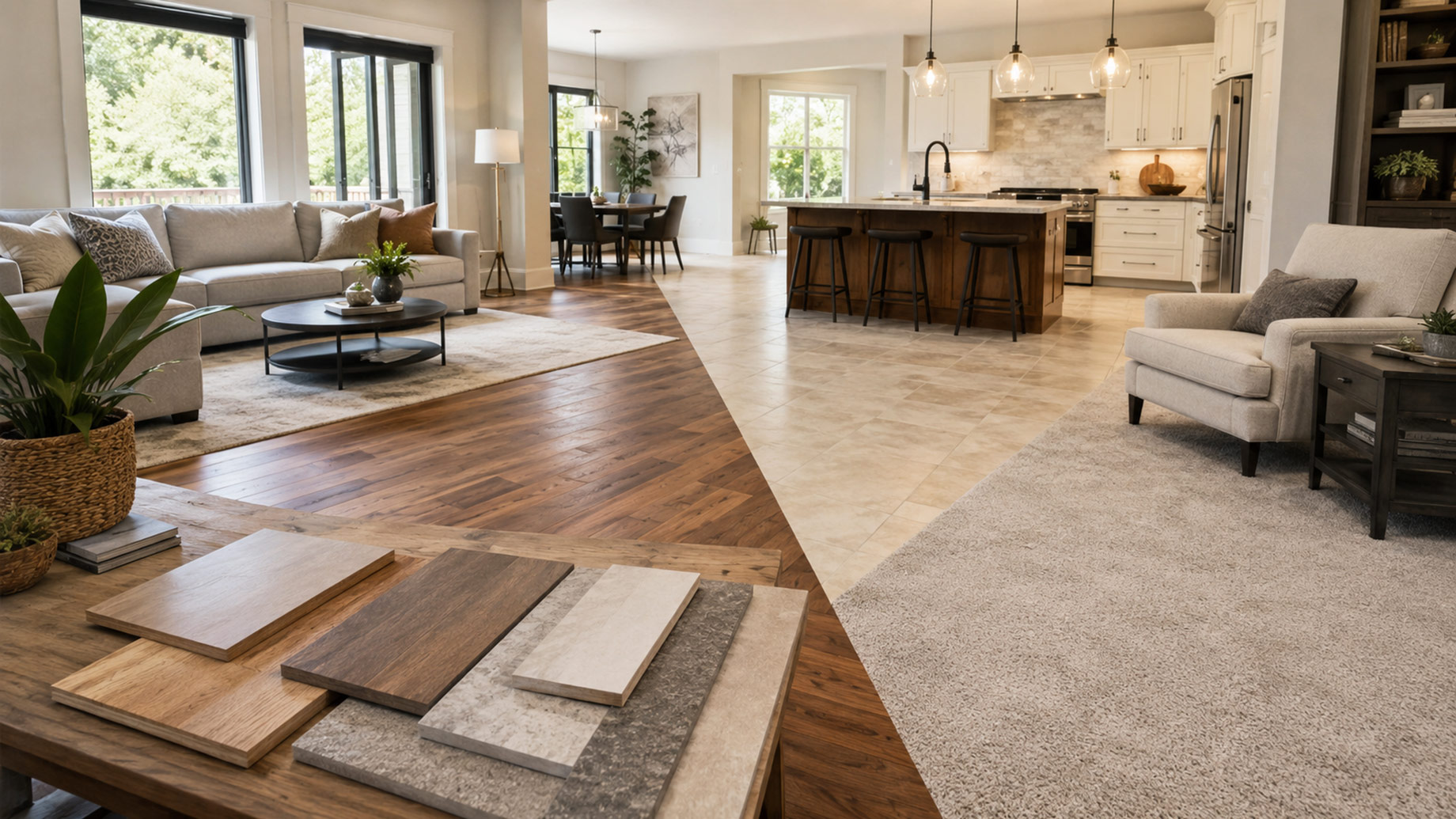
Have choices for home flooring ever felt harder than expected? Every room has different needs, and the right surface can improve comfort, beauty, and daily living. Many materials look attractive, but not all perform the same over time.
Cost, care, and strength all deserve careful attention before making a final choice. A well-planned decision helps avoid costly mistakes later. Small details often make a big difference in long-term satisfaction.
This guide explains the key points that help every homeowner choose the perfect floor with confidence. Keep on reading!
Think About Your Lifestyle
First, think about what people do in the room every day. Family homes with lots of foot traffic need floors that can handle it. Pet owners should choose something that won’t get scratched.
Kids may spill drinks, so floors that are easy to clean are helpful. Consider how often people wear shoes inside. You might want something stylish if you have a lot of guests over.
If someone has allergies, they might look for things that don’t gather dust. The right floor fits the needs and activities of the people who live there.
If you know what you do every day, you can narrow down your options. Make sure the floor can handle how you live.
Compare Durability
Flooring should last for years, so durability is important. Hardwoods are tough but can scratch. Laminate resists dents and is long-lasting.
Tile stands up well to moisture and heavy use. Vinyl floors are less likely to rip or tear. Some carpets are made to resist stains and wear.
Think about sunlight exposure, which can fade some materials over time. High-traffic areas benefit from the strongest options.
The more durable the floor, the longer it will look good. Choosing wisely means fewer repairs or replacements later.
Evaluate Maintenance Needs
Some floors need lots of care, while others are low-maintenance. Hardwood may need regular polishing to keep its shine. Carpets can collect dust and require frequent vacuuming.
Tile needs occasional grout cleaning. Vinyl and laminate are easy to wipe clean. Consider how much time you want to spend on upkeep.
Busy people may prefer materials that only need simple cleaning. Low-maintenance floors save time and energy.
Check if special cleaners are needed for certain surfaces. Pick a floor that matches the effort you want to give.
Match Your Home’s Style
Floors play a big part in a room’s look. Wood floors add warmth and a classic feel. Tiles can be modern or traditional, depending on color and pattern.
Carpets create a cozy, soft setting. Vinyl and laminate offer many colors and textures. Choose a floor that fits your furniture and décor.
Lighter shades make rooms look bigger, while darker floors add drama and elegance. Think about how trends may change over time. Your new floor should blend well with your overall style.
Consider Your Budget
Floors come in many price ranges. Making a budget helps you choose what to buy, and most of the time, hardwood costs more, but it makes a home more valuable. Laminate and vinyl cost less, but they still look great.
Tile prices change based on the type of tile and its design. If you look at quality, carpet can fit most budgets. Don’t forget to add the cost of installation.
It’s possible to save money in the long run by spending a little more up front. Look around and think about your choices.
Explore Floor Solutions for Every Room
Not every floor works in every room. Bathrooms and kitchens need water-resistant surfaces. Bedrooms can have soft, warm carpets for comfort.
Living areas might look best with wood or laminate. Basements are good places for vinyl because it handles moisture well. Entryways should have tough, easy-to-clean options.
Kids’ playrooms need safe, cushioned flooring. Make sure the floor suits the specific room. Flooring Solutions help you find surfaces that fit your needs, style, and budget.
Think About Comfort and Safety
When you stand for a long time, comfort is important. It’s nice to walk on soft floors like carpet or cork. If you’re cold, hard surfaces might be a good idea for area rugs.
For safety in wet areas, choose floors that won’t slip. In the kitchen and bathroom, textured tiles can help prevent slips. Senior family members should have floors that are easy to walk on.
Some floors are also good for people who have trouble with their joints. Safety mats can make things more comfortable. A safe, smooth floor makes your home feel welcoming.
Check for Moisture and Water Resistance
The bathroom and basement are two places that get wet more often. Vinyl and tile are great at keeping water out. When it gets wet, hardwood and laminate can warp or swell.
Carpets work best in dry places. Stone floors last a long time, but they might feel cold. Check the label to see if it says “water resistant.”
Floors that are sealed keep spills from happening, and wet areas need extra care to stay safe. Using the right material keeps repairs from costing a lot of money, because in damp places, floors that don’t get damaged by water last longer.
Explore Eco-Friendly Options
Floors that are good for the environment and your home are better together. It looks like wood and grows quickly. Cork is soft and warm because it comes from tree bark.
A few types of tiles and carpets are made from recycled materials. Real stone is strong and lasts a long time. To improve indoor air quality, look for low-VOC options.
Eco floors can help keep rooms warm or cool, which saves energy. Floors made with local materials are less polluting, so when you go shopping, look for green seals. Going with eco-friendly floors is a good idea for everyone.
Your Pathway to the Perfect Floor
Your home can be made more beautiful and functional by selecting the appropriate floor. Take the time to consider all of your choices, including those about durability, style, and cost.
Choosing wisely can help you save money and add lasting value. Each room should have a floor that not only meets its requirements but also looks fantastic. You can find the ideal surface for your family if you follow these simple guidelines.
Did you like this guide? Great! Please browse our website for more!
