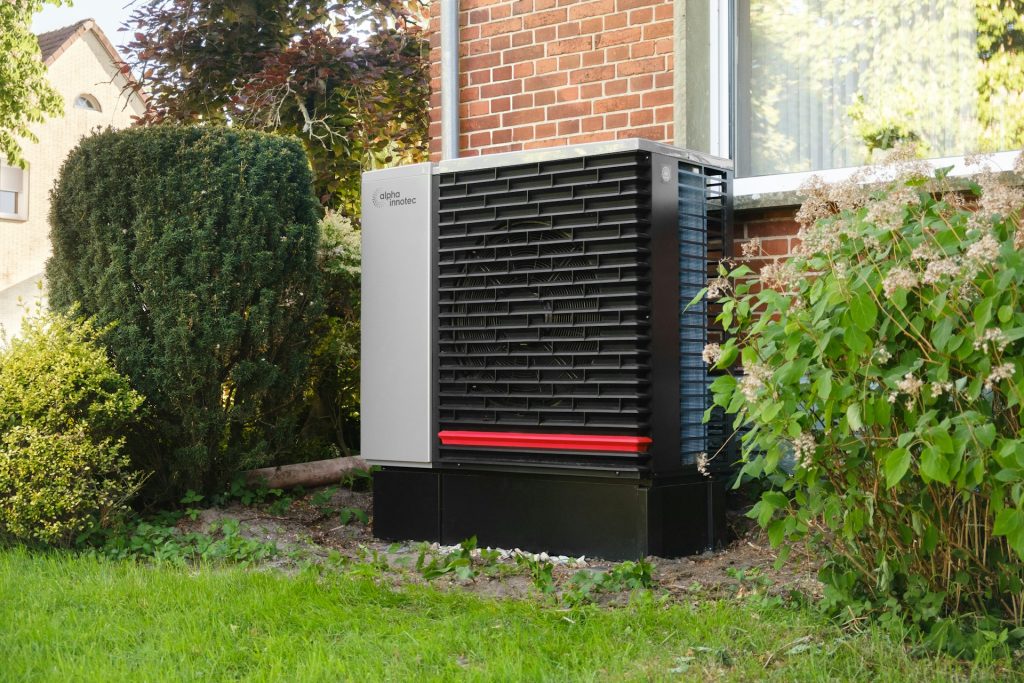
Arizona homeowners are paying closer attention to how much energy their homes use, especially as utility costs and summer cooling demands continue to rise. One appliance receiving more attention is the heat pump water heater, which uses electricity differently from a traditional electric resistance model. Instead of generating heat directly, it pulls warmth from the surrounding air and transfers that heat into the water tank. This process can use significantly less electricity than a standard electric water heater under the right conditions. Arizona’s warm climate can make the technology particularly appealing because garages, utility rooms, and other installation areas often contain plenty of usable ambient heat.
How a Heat Pump Water Heater Works
A heat pump water heater operates much like a refrigerator in reverse. A refrigerator removes heat from its interior and releases it into the surrounding room, while a heat pump water heater collects heat from the surrounding air and moves it into the tank. The system uses a compressor, evaporator, refrigerant, and condenser to complete this process. Most models also include traditional electric heating elements that provide backup heat during periods of high demand. This combination allows the unit to balance energy efficiency with the need to supply enough hot water for a household.
Many modern systems offer several operating modes, including efficiency, hybrid, electric, and vacation settings. Efficiency mode relies primarily on the heat pump, while hybrid mode uses both the heat pump and electric elements as needed. Electric mode functions more like a conventional electric water heater and may be useful during periods of unusually high demand. Vacation mode reduces energy use when the home is unoccupied for several days. These controls give homeowners more flexibility than they typically receive from a basic storage-tank water heater.
Arizona’s Climate Supports Efficient Operation
One reason Arizona homeowners are considering this technology is the state’s warm climate. Heat pump systems tend to perform well in spaces where the surrounding air remains warm for much of the year. An Arizona garage, utility room, or mechanical space can provide favorable operating conditions, particularly during spring, summer, and fall. The unit can draw heat from that air instead of creating all the heat through electric resistance. This can reduce the amount of electricity needed to maintain a consistent supply of hot water.
The system also produces a small amount of cool, dehumidified air while it operates. In a hot garage, this cooling effect may be viewed as an added benefit, although it will not replace a dedicated air-conditioning system. The dehumidification can also help in enclosed utility areas that occasionally feel damp or stuffy. However, homeowners should remember that the unit still needs enough air volume and clearance to operate properly. A professional should evaluate the proposed location before installation to ensure adequate airflow and reliable performance.
Lower Energy Use Is a Major Motivation
Traditional electric water heaters use resistance heating elements to warm the water inside the tank. Although the technology is simple, it can consume a substantial amount of electricity over the course of a year. A heat pump water heater transfers existing heat instead of producing all of it from scratch. That difference is the main reason these systems can operate more efficiently. For households that use a large amount of hot water, the potential savings can become especially noticeable over time.
Actual savings depend on several factors, including household size, hot-water habits, utility rates, equipment size, operating mode, and installation location. A family that frequently runs showers, laundry appliances, and dishwashers may see a different result than a one-person household. Homeowners should compare the estimated annual operating costs of multiple models before choosing a unit. The yellow EnergyGuide label can provide a useful starting point for that comparison. A contractor can also help estimate how the system may perform under the home’s specific conditions.
Homeowners Want to Reduce Their Dependence on Gas
Some Arizona households are choosing electric appliances as part of a broader effort to reduce or eliminate natural gas use. Replacing a gas water heater with a heat pump model can move the home closer to full electrification. This can be especially appealing to homeowners who already have rooftop solar panels or plan to install them. Electricity generated by a home solar system may offset part of the energy used for water heating. The financial benefit will depend on the solar system, utility plan, household demand, and time-of-use rate structure.
Electrification can also eliminate the need for combustion inside the home or garage. Gas water heaters require proper venting and a safe fuel supply, while electric heat pump systems do not produce combustion gases. This may simplify certain installation considerations, although electrical and plumbing requirements still apply. A conversion can require a dedicated circuit, electrical panel work, condensate drainage, or changes to existing water lines. Homeowners should evaluate the complete conversion cost rather than focusing only on the price of the equipment.
Additional Benefits Beyond Energy Savings
Energy efficiency is the most common selling point, but it is not the only reason homeowners are making the switch. Many systems include digital controls, leak detection, Wi-Fi connectivity, and diagnostic features. These tools can help users adjust temperatures, monitor energy consumption, and identify possible issues earlier. Some models can also be scheduled to operate during lower-cost utility periods. This is particularly useful for homeowners enrolled in time-of-use electricity plans.
Other possible advantages include:
- Lower electricity consumption compared with standard electric resistance models
- Reduced reliance on natural gas
- Cooling and dehumidification in the installation area
- Smart controls and energy-use monitoring
- Compatibility with certain solar-powered homes
- Backup electric elements for periods of high hot-water demand
- Potential eligibility for rebates or energy-efficiency incentives
These benefits vary by manufacturer and model, so homeowners should review product specifications carefully. Not every system includes smart controls, advanced leak protection, or multiple operating modes. Equipment should be selected based on household demand rather than optional features alone. A properly sized basic unit will usually provide better results than an undersized premium model. Installation quality is also critical to efficiency, reliability, and long-term performance.
Installation Requirements Arizona Homeowners Should Consider
A heat pump water heater is not an ideal fit for every room or property. The system needs sufficient surrounding air because it draws heat from the installation space. Small closets may require ducting, louvered doors, or other modifications to improve airflow. The unit also produces condensate that must be routed to an approved drain or disposal location. Because many models are taller than traditional water heaters, ceiling height and overhead clearance should be checked.
Noise is another factor to consider because the compressor and fan operate while the system is heating water. The sound is often compared to a refrigerator, dehumidifier, or small air-conditioning unit. This may not be a concern in a garage, but it could be noticeable near a bedroom or living area. The cooled air produced by the system may also affect nearby rooms during colder winter periods. A contractor can recommend placement, ducting, or operating settings that reduce these concerns.
Electrical capacity should also be evaluated before installation. Many models require a dedicated 240-volt circuit, although certain newer products may have different electrical requirements. Replacing an existing electric water heater may be relatively straightforward when compatible wiring is already present. Converting from gas may require new wiring, a breaker, and possible panel upgrades. These additional costs should be included in the homeowner’s project budget.
Choosing the Right Size and Operating Mode
Proper sizing has a direct effect on comfort, efficiency, and satisfaction. A unit that is too small may rely heavily on its backup electric elements or struggle during periods of high demand. A unit that is too large may cost more than necessary and require additional space. Contractors typically consider the number of occupants, bathrooms, showers, appliances, and peak hot-water usage. The first-hour rating is often more useful than tank capacity alone when comparing equipment.
Operating mode also influences performance. Efficiency mode can minimize electricity use, but recovery may be slower after a large amount of hot water is consumed. Hybrid mode offers a balance by activating the electric elements when additional heating is needed. Households with predictable schedules may be able to use timers or app controls to improve performance. Homeowners should experiment with the available settings instead of leaving the system in its most energy-intensive mode. The installer should explain each option during startup and provide clear instructions for seasonal adjustments.
Frequently Asked Questions
What is a heat pump water heater?
A heat pump water heater is an electric storage-tank system that transfers heat from the surrounding air into the water. It typically uses less electricity than a conventional electric resistance water heater.
Do heat pump water heaters work well in Arizona?
Yes, they can perform well in Arizona because warm garages and utility spaces provide favorable ambient temperatures. Performance still depends on airflow, installation location, sizing, and household demand.
Will the unit cool my garage?
It releases cool, dehumidified air while operating, so the surrounding area may feel slightly cooler. The effect is helpful in some garages but is not powerful enough to replace air conditioning.
Are heat pump water heaters noisy?
They produce fan and compressor noise similar to a refrigerator or dehumidifier. Proper placement can keep that sound from becoming disruptive.
Can a heat pump model replace a gas water heater?
Yes, but the conversion may require electrical work, plumbing modifications, condensate drainage, and removal or sealing of the old gas connection. A licensed contractor should inspect the property first.
Do these systems provide enough hot water for a family?
They can when properly sized. Larger households may need a higher-capacity tank, hybrid operating mode, or a model with a strong first-hour rating.
Do heat pump water heaters need maintenance?
Yes, owners should clean the air filter, inspect the condensate drain, check for leaks, and follow the manufacturer’s maintenance schedule. Arizona’s hard water may also make periodic tank flushing important.
How long do heat pump water heaters last?
Service life varies by model, water quality, installation, and maintenance. Many systems can provide reliable service for more than a decade when installed and maintained correctly.
Is a Heat Pump Water Heater Right for Your Arizona Home?
A heat pump water heater can be a strong option for Arizona homeowners who want to reduce electricity consumption and move away from gas appliances. The state’s warm climate can support efficient operation, especially when the unit is installed in a garage or spacious utility area. Homes with solar panels may gain additional value by pairing efficient water heating with onsite electricity production. However, the equipment requires enough airflow, proper condensate drainage, adequate electrical capacity, and sufficient physical space. A site evaluation is the best way to determine whether the home is a good candidate.
Homeowners should compare equipment price, installation costs, estimated annual energy use, warranty coverage, and expected maintenance before making a decision. The lowest-priced system may not provide the best long-term value if it is undersized or poorly suited to the installation area. A licensed professional can calculate hot-water demand, inspect the electrical panel, and confirm that the proposed location meets manufacturer requirements. Asking for an itemized quote can also reveal whether electrical upgrades, ducting, drainage, or permit fees are included. For many Arizona households, the combination of efficiency, electrification, smart controls, and climate-friendly performance makes a heat pump water heater an increasingly practical upgrade.