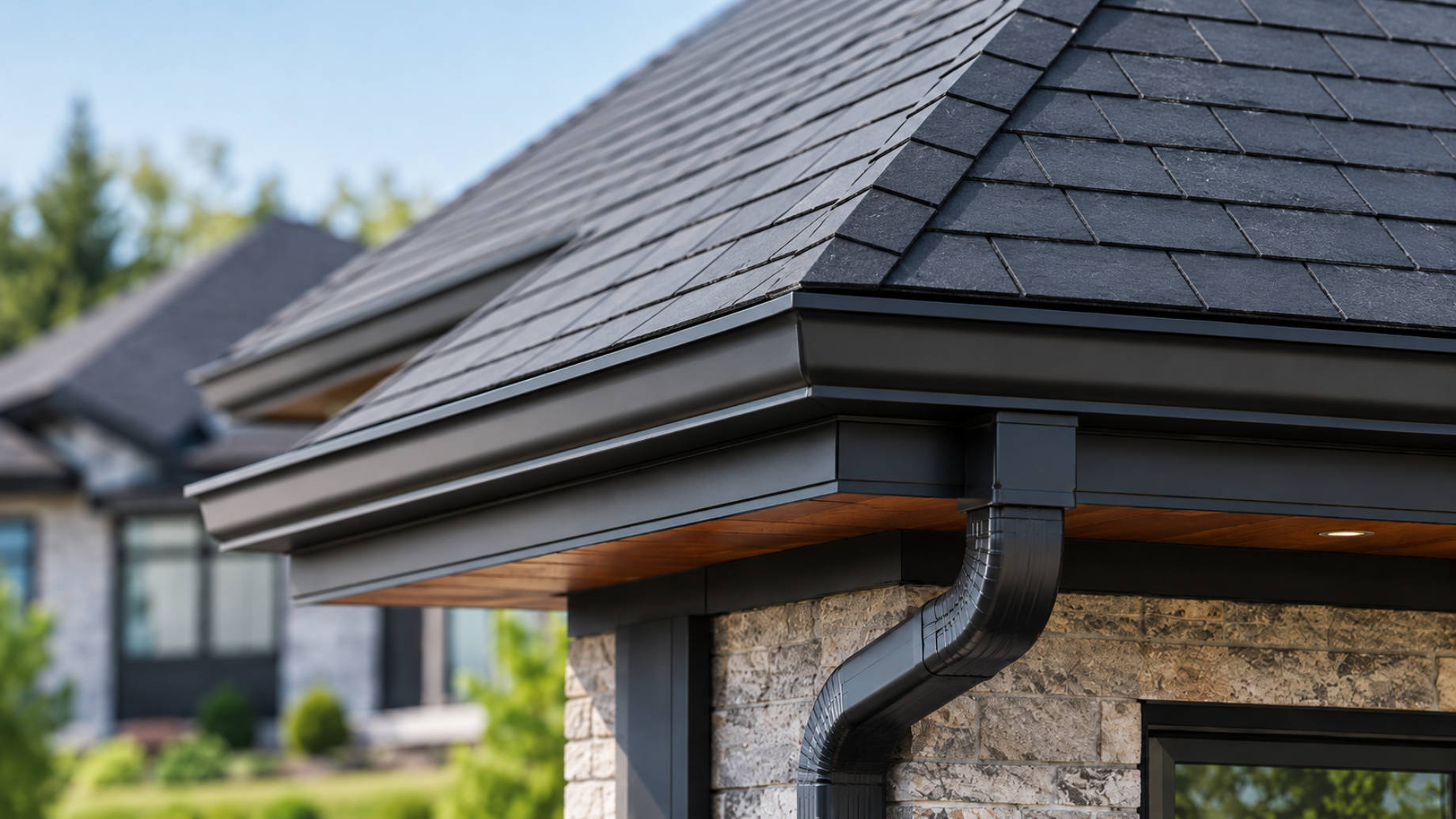
When homeowners think about protecting their investment, they often focus on things they can easily see and use every day. Kitchens, bathrooms, flooring, landscaping, and interior upgrades tend to receive most of the attention. While these elements certainly contribute to a home’s value and comfort, few components are as important to the long-term health of a house as the roof.
Your roof serves as the first line of defense against rain, wind, snow, sunlight, and countless other environmental factors. When it performs properly, it protects nearly every other part of the structure. When it fails, even small problems can quickly spread throughout the home, leading to expensive repairs and potentially significant structural damage.
So just how important is roofing to the longevity of your house?
The Roof Protects Everything Beneath It
A roof does much more than keep rain out. Every day, your roof shields your home’s framing, insulation, electrical systems, drywall, flooring, and personal belongings from the elements. It absorbs the direct impact of weather that would otherwise damage the structure below.
Think of the roof as a protective barrier. If that barrier remains intact, the rest of the home has a much better chance of staying in good condition. If the barrier becomes compromised, moisture and other environmental threats can begin affecting areas that were never designed for direct exposure. Because the roof sits above virtually every major component of the home, its condition influences the performance and lifespan of nearly everything underneath it.
Water Is the Biggest Threat to a Home
One of the primary reasons roofing is so important is its role in preventing water intrusion. Water has an incredible ability to find its way through even small openings. A missing shingle, damaged flashing, or deteriorated seal can allow moisture to enter the home. Initially, the damage may be difficult to detect. Over time, however, the effects can become severe.
Water infiltration can damage insulation, weaken wood framing, stain ceilings, ruin drywall, and encourage mold growth. In some cases, leaks can even affect electrical systems and create safety concerns. What begins as a relatively minor roofing issue can eventually become a much larger and more expensive problem. That’s why maintaining a watertight roofing system is essential for preserving the long-term integrity of the home.
Structural Protection Starts at the Top
Many homeowners associate roofing primarily with weather protection, but it also contributes to structural preservation. The framing components beneath the roof are designed to remain dry and stable. When water repeatedly penetrates the roofing system, those structural elements can begin to deteriorate. Wood rot, warping, and weakening of support structures can gradually occur if moisture problems remain unresolved. Over many years, persistent water exposure can compromise portions of the home’s structural framework. Repairing these issues is often far more expensive and disruptive than addressing roofing concerns early. By maintaining a healthy roof, homeowners help protect the very framework that keeps the house standing.
Energy Efficiency Depends on Roofing Performance
Roofing also plays an important role in energy efficiency. A properly functioning roof helps regulate indoor temperatures by working together with insulation and ventilation systems. During hot weather, it helps reduce heat transfer into the home. During colder months, it assists in maintaining a more stable indoor environment. Roof damage can interfere with this process.
Gaps, moisture intrusion, and ventilation problems can reduce efficiency and increase heating and cooling costs. In some cases, homeowners notice rising utility bills before they realize roofing issues exist. Maintaining the roof can therefore help preserve not only the structure itself but also the home’s overall efficiency and comfort.
Regular Maintenance Extends Roof Life
One of the biggest misconceptions among homeowners is that roofing only requires attention when a leak appears. In reality, regular maintenance can significantly extend the lifespan of a roofing system. Small issues are often easier and less expensive to address before they develop into major problems. Routine inspections can identify loose shingles, damaged flashing, clogged drainage systems, and other concerns before they lead to water intrusion.
Seasonal weather events, including strong winds, hail, and heavy snow, can also create damage that may not be immediately visible from the ground. By taking a proactive approach, homeowners can often maximize the useful life of their roofs while minimizing repair costs.
A Strong Roof Supports a Long-Lasting Home
The longevity of a house depends on many factors, including construction quality, maintenance practices, climate conditions, and routine upkeep. However, few components have as much influence over the health of the entire structure as the roof.
A quality roofing system protects against water damage, preserves structural integrity, improves energy efficiency, and safeguards countless other parts of the home. And when properly maintained, it serves as a critical shield that helps the entire property remain safe, comfortable, and functional for decades.
