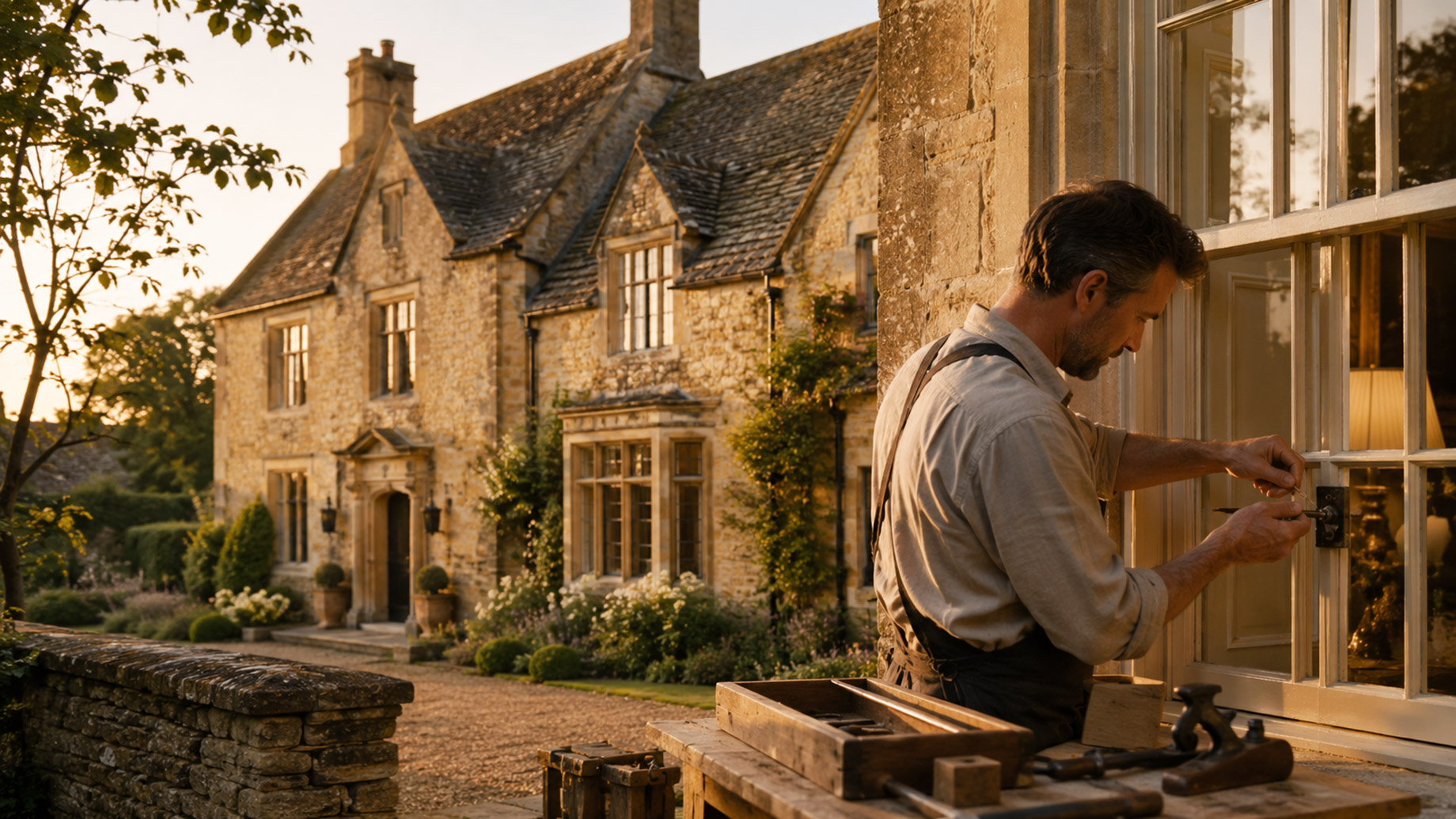
Oxfordshire is a county defined by its buildings. From honey-coloured Cotswold stone cottages to grand Georgian townhouses and centuries-old college architecture, the region carries an architectural legacy that few places in England can match. But preserving that legacy isn’t simply a matter of patching up old walls. It takes a particular kind of builder — one who understands both the demands of modern living and the traditional techniques that gave these properties their soul in the first place.
That blend of old and new is exactly where specialist heritage contractors come into their own.
The Problem With a One-Size-Fits-All Approach
Modern construction has become remarkably efficient. Standardised materials, prefabricated components and rapid build methods keep costs down and timelines short. For a new-build estate, that efficiency makes perfect sense. But apply those same methods to a 200-year-old listed property and the results can be disastrous.
Older buildings were designed to breathe. They rely on lime mortars, solid timber and natural materials that move and adapt with the seasons. Seal them up with cement renders and plastic-based products, and you trap moisture, accelerate decay and strip away the very character that made the property special. This is why finding experienced Builders in Oxfordshire who genuinely understand period construction is so important. The right team knows when to honour traditional methods and when modern interventions are appropriate.
Where Craftsmanship Makes the Difference
The single biggest factor in any successful heritage project is the quality of the joinery and finishing work. Doors, staircases, panelling, windows and cabinetry are the details people actually see and touch every day — and they’re the details that separate a sympathetic restoration from a clumsy one.
Skilled heritage joinery involves hand-crafting timber features to match the proportions, profiles and finishes of the original property. A bespoke staircase milled to period specifications, a run of handmade kitchen cabinetry, or a set of internal doors made from properly seasoned timber will outlast and outclass anything mass-produced. More importantly, it keeps the building feeling cohesive rather than patched together from off-the-shelf parts.
In-house joinery teams have a real advantage here. Because the work is designed and built under one roof rather than subcontracted out, there’s far tighter control over quality, materials and finish — and the timber detailing actually complements the rest of the construction work.
Windows: The Detail That Defines a Period Property
If there’s one element that instantly reveals whether a restoration has been done well, it’s the windows. Replace original timber frames with modern uPVC, and a beautiful period façade loses its authenticity overnight.
Properly made timber sash windows restore that authenticity while still delivering the energy efficiency and security homeowners expect today. Crafted to traditional proportions but built with contemporary draught-proofing and glazing options, they’re the perfect example of heritage and modern performance working in harmony. For listed buildings and those in conservation areas, this kind of considered approach isn’t just preferable — it’s often a planning requirement.
Choosing the Right Team for Your Project
Whether you’re planning a full renovation, a sympathetic extension or a conversion of an older property, the contractor you choose will determine the outcome. Look for a team with:
- Demonstrable heritage experience — ask to see previous period projects, not just modern new-builds.
- In-house craftsmanship — joinery and finishing handled directly means better quality control.
- An understanding of materials — lime mortars, natural finishes and proper timber selection matter enormously.
- Strong local knowledge — familiarity with Oxfordshire’s conservation areas and planning expectations saves time and stress.
- Genuine references — long-standing client relationships are the clearest sign of trustworthy, consistent work.
Protecting the Past for the Future
Oxfordshire’s historic buildings aren’t just bricks and timber — they’re part of the county’s identity. Restoring and adapting them for modern life is a privilege as much as a project, and it deserves builders who treat it that way. With the right craftsmanship, a period property can be brought comfortably into the 21st century without losing an ounce of the character that made it worth saving.
If you’re considering a heritage project, take the time to find a team that shares that philosophy. The difference between a quick fix and a proper restoration will be visible for generations to come.
