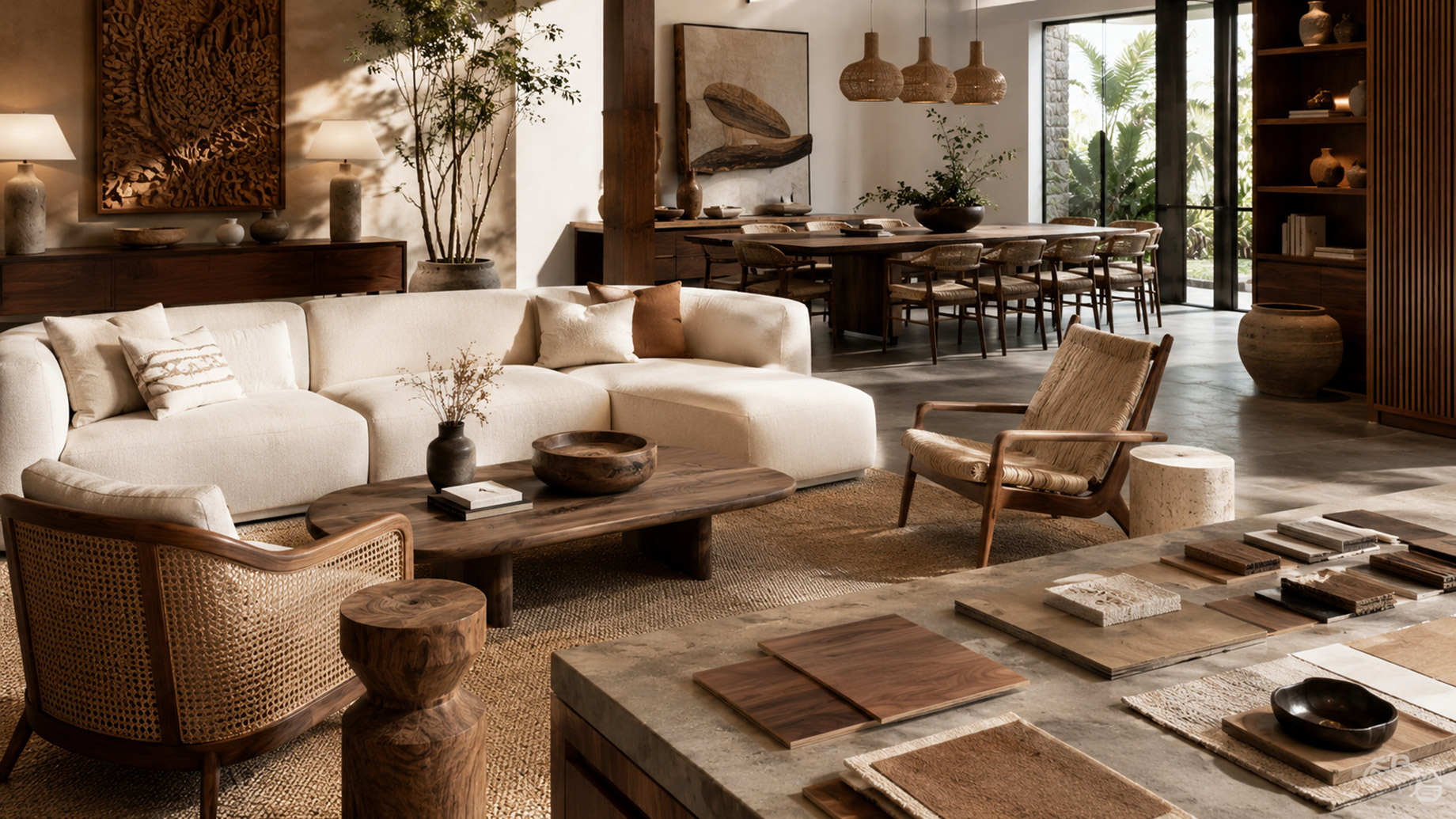
The global furniture retail landscape has changed significantly over the past decade. More retailers are moving away from owning production facilities and instead focusing on building strong brands, curated collections, and efficient supply chains. This shift allows them to stay agile, reduce capital risk, and respond faster to changing market demands.
Today, many successful retailers partner with a trusted Indonesian custom furniture manufacturer, like MPP Furniture, to create exclusive collections without the burden of running a factory. This model is not only practical but also increasingly necessary in a highly competitive market where differentiation is everything.
Why Exclusive Collections Matter More Than Ever
In a crowded marketplace, selling generic furniture is no longer enough. Consumers are more design-conscious and expect products that feel unique, intentional, and aligned with their lifestyle. Exclusive collections help retailers stand out by offering something customers cannot easily find elsewhere.
This exclusivity allows retailers to maintain healthier margins, strengthen their brand identity, and build long-term customer loyalty. Instead of competing on price alone, they compete on design, story, and perceived value.
The Misconception About Owning a Factory
There is a long-standing belief that to create unique furniture, a retailer must own a factory. While this may have been true in the past, it is no longer the case.
Owning a factory comes with significant challenges. High fixed costs, operational complexity, and limited flexibility can actually slow down innovation. When trends shift, factories cannot always adapt quickly without additional investment.
In contrast, working with the right manufacturing partner gives retailers access to production capabilities without these limitations. It allows them to focus on what truly matters: building a strong, differentiated brand.
The Real Strategy Behind Exclusive Furniture Collections
The most effective retailers today rely on strategic partnerships with custom manufacturers. These partnerships go beyond simple sourcing. They involve collaboration in design, material selection, prototyping, and production planning.
Manufacturers play a key role in turning concepts into tangible products. They help refine designs for production, suggest materials that match both aesthetics and budget, and ensure consistent quality at scale.
This approach enables retailers to launch collections that feel tailored and exclusive, even without owning any production assets.
Why Indonesia Has Become a Key Production Hub
Indonesia has earned a strong reputation in the global furniture industry. The country is known for its skilled craftsmanship, especially in working with materials such as teak, mahogany, and rattan.
Beyond craftsmanship, Indonesian manufacturers offer flexibility. They are experienced in handling both small batch production and large-scale orders. This is especially valuable for retailers who want to test new collections without committing to massive volumes.
Another important factor is sustainability. Many Indonesian manufacturers follow legal wood-sourcing practices and hold certifications that are increasingly important in global markets.
How Retailers Build Exclusive Collections Step by Step
Concept and Market Positioning
The process starts with defining the target market. Retailers need clarity on pricing, customer profile, and overall design direction. Without this, the collection can easily lose focus.
Design Development
Retailers either work with in-house designers or collaborate with the manufacturer’s design team. At this stage, ideas are translated into technical drawings and specifications.
Sampling and Prototyping
Prototypes are created to test the design in real form. This step is critical because it allows adjustments before mass production. Materials, finishes, and proportions are refined here.
Production and Quality Control
Once samples are approved, production begins. Reliable manufacturers implement structured quality control processes to ensure consistency across all units.
Branding and Launch
After production, the focus shifts to storytelling. Retailers highlight the origin, materials, and craftsmanship behind the collection. This helps create emotional value and differentiation in the market.
A Realistic Scenario Without Owning a Factory
Imagine a European retailer that wants to launch a new line of outdoor furniture. Instead of investing in a factory, they collaborate with an Indonesian manufacturer.
Within a few months, they move from concept to prototypes. After refining the designs, production begins. The retailer receives a full collection ready for market, complete with consistent quality and unique design elements.
This entire process can take as little as three to six months, depending on complexity. The retailer saves significant capital while still delivering a distinctive product line.
Choosing the Right Manufacturing Partner
Not all manufacturers are the same. Choosing the right partner is crucial for long-term success.
Retailers should look for manufacturers with proven export experience, strong communication, and the ability to handle custom designs. Flexibility in minimum order quantities is also important, especially for testing new products.
Certifications related to sustainability and legality can add another layer of credibility, particularly in regulated markets.
Common Mistakes Retailers Should Avoid
One of the most common mistakes is focusing only on price. While cost matters, choosing the cheapest option often leads to compromises in quality and reliability.
Another mistake is skipping the sampling process. Without proper prototypes, the final product may not meet expectations.
Poor communication can also create problems. Clear specifications and regular updates are essential to avoid misunderstandings.
Lastly, some retailers underestimate lead times. Proper planning is needed to align production schedules with market launches.
The Future of Furniture Retail
The future of furniture retail is moving toward customization, sustainability, and smaller production runs. Consumers are becoming more selective, and they value products that feel personal and responsibly made.
Retailers who embrace flexible manufacturing partnerships will be better positioned to adapt to these trends. They can experiment with new ideas, respond to feedback quickly, and continuously refresh their collections.
You Do Not Need a Factory to Build Something Unique
Owning a factory is no longer required to create exclusive furniture collections. What matters more is having the right strategy and the right partners.
Retailers who collaborate with experienced manufacturers can achieve high levels of design differentiation, maintain quality, and stay agile in a fast-changing market.
For those looking to explore this approach further, working with MPP Furniture can be a strategic step. As an experienced Indonesian custom furniture manufacturer, they support global retailers in developing exclusive collections tailored to their brand vision and market needs.
