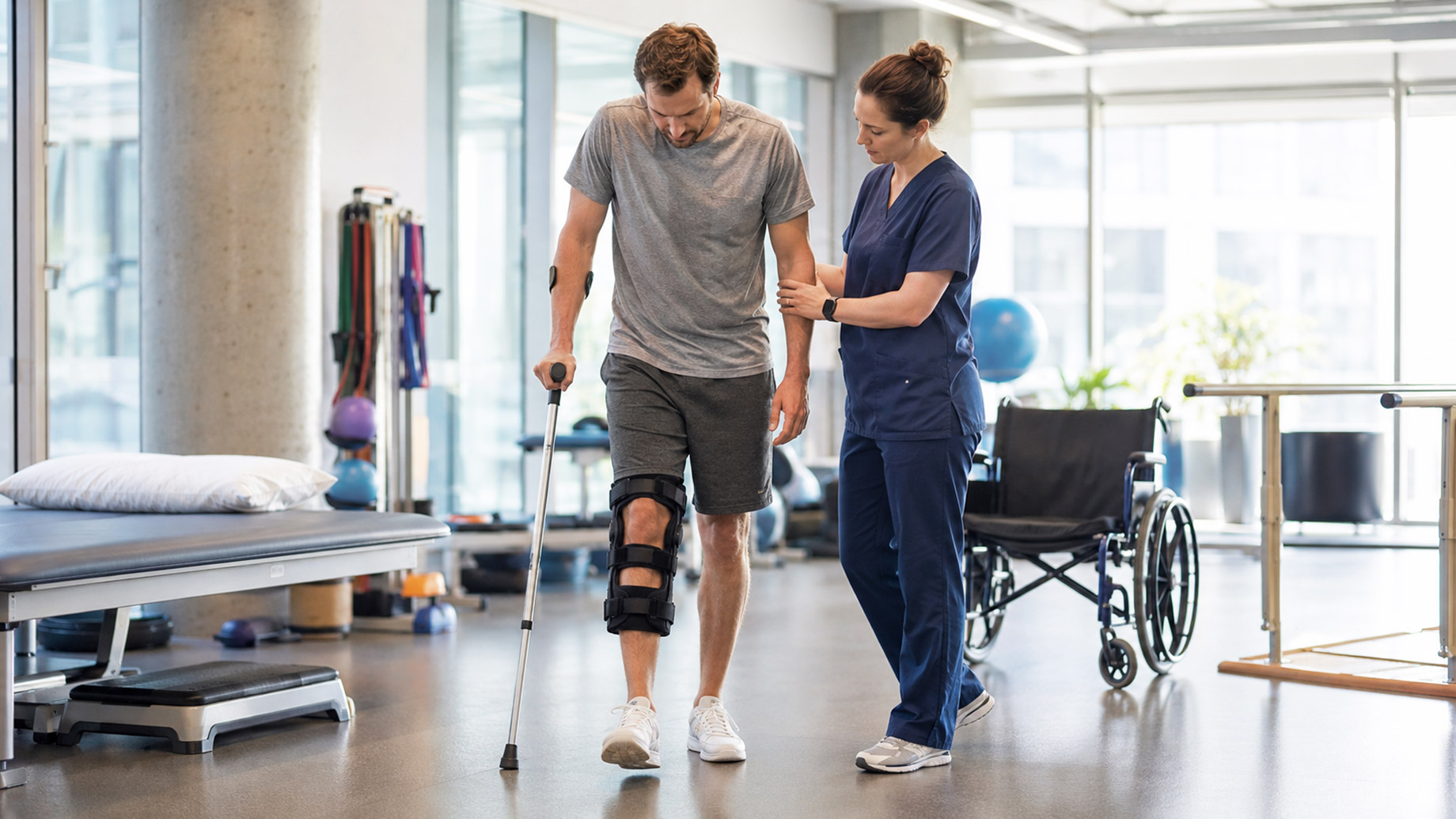
People who end up suffering injuries are focused primarily on recovering. They want to feel like themselves again. Generally speaking, a victim is given a timeline of potential recovery, or has one in mind. Everyone hopes for a swift recovery, but the fact is that injuries exist on a broad spectrum. Also, some people recover more quickly or more slowly due to factors like age, preexisting conditions, access to care, and other variables.
Overall, the severity of the injury is the biggest determining factor in how long it takes to recover. A scratch is always going to heal more quickly than a deep gash. Those are just the physics of injuries. It’s important to understand the mechanics of how the body heals. This helps to explain why some injuries last longer than others. It also helps people who have been injured to set realistic expectations. If you’re dealing with an injury, understand that recovery is rarely a straight line.
The Biological Spectrum of Tissue Repair
There are generally three specific phases to the healing process: inflammation, proliferation, and remodeling. Understand, however, that the intensity and duration of these phases vary individually based on the extent of the initial damage. A minor injury, for instance, has a damaged zone that is relatively localized. Something like a twisted ankle or a first-degree burn is a smaller area, which means less of the body needs to recover. The body quickly begins clearing away the debris from the injury and knitting cells back together. In a few weeks, all three phases can be completed.
Conversely, more severe issues have a much larger impact right from the start. Tissue lacerations, broken bones, and injuries like organ damage create more inflammation from the onset. These injuries trigger a longer biological response. A shattered bone must build up a “callus” of cartilage before hard bone can be replaced. This process takes exponentially longer than healing a clean break. Inflammation is high around the area, which can restrict blood flow. Oxygen and nutrients act as fuel for repair. When the supply is limited, the repair is prolonged.
Secondary Complications and Systemic Stress
Unfortunately, severe injuries can cause a ripple effect of cascading issues. Not only does the primary injury cause damage, but the rest of the system can be affected. In a severe car crash, for instance, a broken leg or back is rarely a localized injury. The force that caused the biggest injury also traumatized other parts of the body. Surrounding tissues are inflamed, so the area is very large.
Secondary complications can also include:
- Surgical Intervention: Severe injuries often require surgery to stabilize the body. While necessary, surgery is technically a secondary form of controlled trauma. This resets the inflammatory clock and requires the body to heal from both the initial accident and the medical procedure.
- Infection Risks: The more “open” or complex a wound is, the higher the risk of infection. An infection can divert the body’s resources away from tissue repair to fight off pathogens, potentially doubling or tripling the standard recovery period.
- Muscle Atrophy: If an injury is severe enough to require total immobilization—such as a back injury or a complex pelvic fracture—the surrounding muscles begin to weaken within days. Recovering from a severe injury often means spending months just regaining the muscle mass lost during the initial period of bed rest.
Because of these compounding factors, severe injuries may take months or even years to heal. Unfortunately, some people may never fully heal from their injuries. If you are taking legal action due to being a victim, this is an area where a personal injury lawyer who handles spine injury claims can help. Your lawyer will look at the “maximum medical improvement” (MMI) rather than just the wound healing. This is when a victim is considered to have reached the point of best recovery. In a medical context, this means a person is likely not going to get any better than they already have. This also increases pain and suffering and potential compensation.
The Role of Long-Term Rehabilitation
Minor injuries heal, the pain stops, and there is no use for ongoing treatments. You don’t need skin grafts for a first-degree burn, for instance. You heal up and move on with your life. For severe injuries, this isn’t the case. The pain may actually stop, but it could only be the midpoint of the recovery process. Severe trauma could require ongoing physical therapy, or even psychotherapy. There is a laundry list of psychological issues that survivors of severe injuries go through.
This is particularly true in cases of traumatic brain injuries (TBI) or spinal cord damage. In these cases, the injury’s severity dictates ongoing rehabilitation far beyond the point of the physical pain ceasing. Having to participate in rehabilitation is known as compensatory healing. Patients learn to live and work around a permanent limitation. This is a grueling process for anyone, much less a person who’s dealing with mental wounds.
How a Good Lawyer Can Help
The psychological toll of a long-term recovery shouldn’t be overlooked. Many injury victims have had their quality of life diminished significantly due to the mental trauma. PTSD, insomnia, a range of phobias, depression, and other mental effects can settle in. A good personal injury lawyer takes all of this into account. Your lawyer creates a detailed roadmap to demonstrate to a judge or jury just how affected your life is due to the injury. They will take note of your recovery timeframe, and your ongoing rehabilitation, and how it’s affected your life.
Modern medicine can provide a lot of tools to help someone recover from injuries, but the fact is some people never truly recover. Having to use life-altering assistance like chairs, braces, canes, and other hardware is truly life-altering. Being mentally trapped and on medication is still considered part of the initial injury in a legal sense.
The bottom line is that some injuries are unfortunately going to stick around for a long time, perhaps even for life. It’s important to have a quality attorney in your corner to fight for what you deserve.
