If you oversee machinery, you already feel the impact of unexpected downtime—missed deadlines and rising costs. Sensors change how you handle that pressure. They give you a steady flow of real-time data so you can see how machines behave while they run, not just when they stop. With that visibility, you move from reacting to problems toward preventing them. Instead of relying on guesswork or rigid schedules, you make decisions based on actual conditions, which leads to more stable operations and fewer unpleasant surprises.
How Sensors Enable Predictive Maintenance
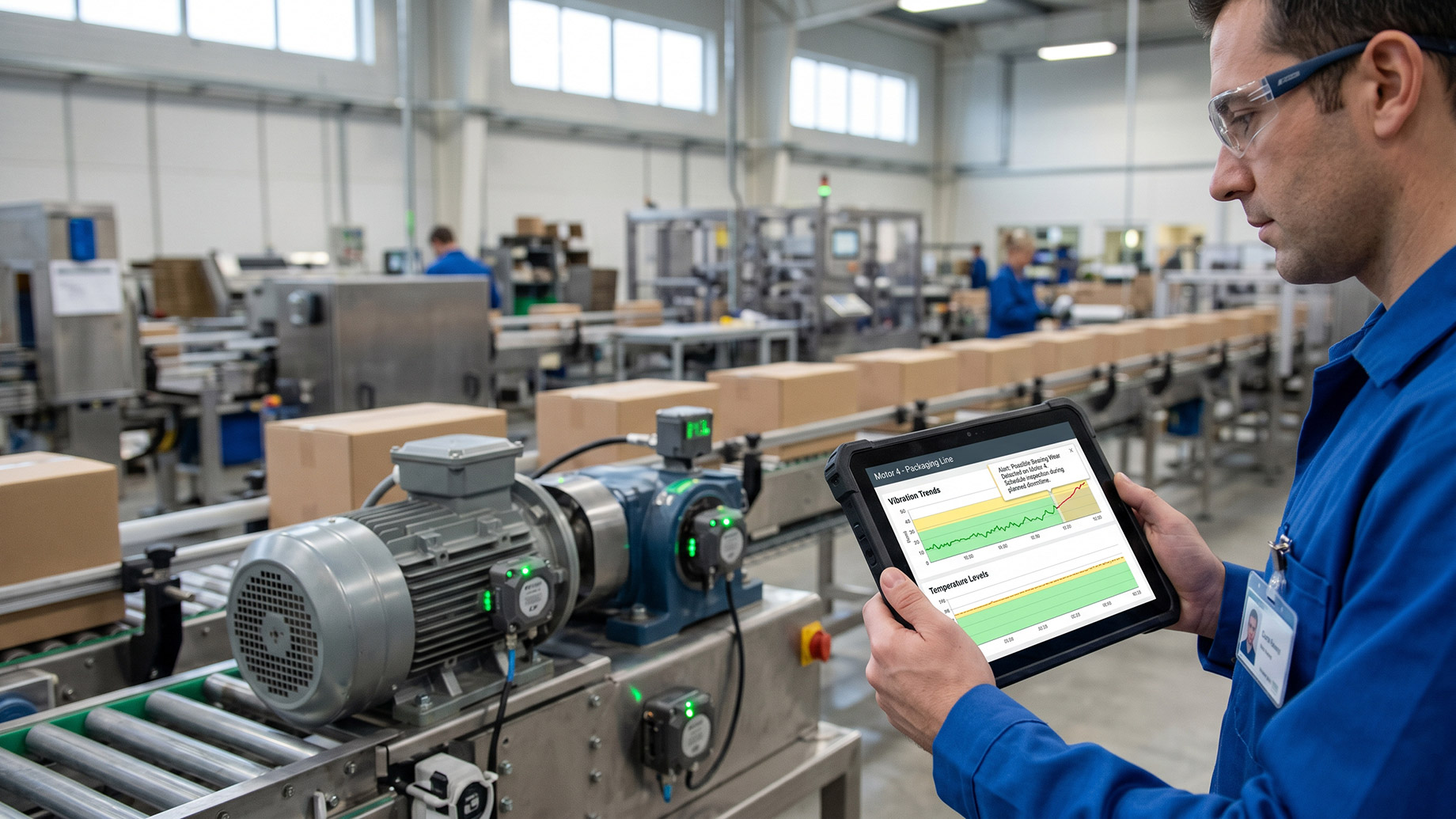
Sensors continuously measure conditions such as temperature and electrical load while equipment operates. You collect this data and compare it against normal performance levels to identify small but meaningful changes. Take a motor on a packaging line as an example. When it runs normally, it draws a consistent current and stays within a typical temperature range. If sensors show a gradual increase in both, you can infer that internal friction, or wear, has started to develop. That signal gives you time to plan a repair before the motor fails.
To apply this approach effectively, define baseline performance during normal operation and connect your sensors to a system that tracks trends over time. When you review those trends, you begin to recognize patterns that indicate early-stage faults.
The Importance of Vibration Monitoring in Machinery
Rotating equipment often reveals problems through vibration before any other symptom appears. Components such as bearings and shafts produce predictable vibration patterns when they function correctly. When those patterns shift, they point to underlying issues.
When you use vibration sensors, you can detect imbalance or loosened components at an early stage. For instance, a conveyor system may continue running even as a bearing begins to wear. However, the vibration pattern will change subtly. If you monitor that change, you can replace the bearing during scheduled downtime instead of dealing with a sudden breakdown.
Benefits of Sensor-Based Predictive Maintenance for Businesses
When you rely on sensor data, you reduce unnecessary maintenance while avoiding costly failures. You replace parts based on actual wear rather than fixed schedules, which helps you use components for their full lifespan without risking breakdowns. You also improve how your team works. Planned maintenance allows technicians to prepare properly, reducing rushed jobs and repeated repairs. Over time, this leads to more consistent performance and lower operational stress.
Take a warehouse using automated sorting equipment as an example. By monitoring key components with sensors, the team identifies early signs of wear and schedules repairs outside peak hours. The system continues to run smoothly during busy periods, and the business avoids delays that can affect customer deliveries.
Turning Insight into Everyday Reliability
Sensors reshape how you think about reliability across your operation. When you treat data as part of your daily workflow, you start to notice how small adjustments improve performance over time. Teams become more confident because decisions rely on evidence, not assumptions. You also build a clearer picture of how equipment behaves under real conditions, which helps you plan investments and upgrades more effectively.
