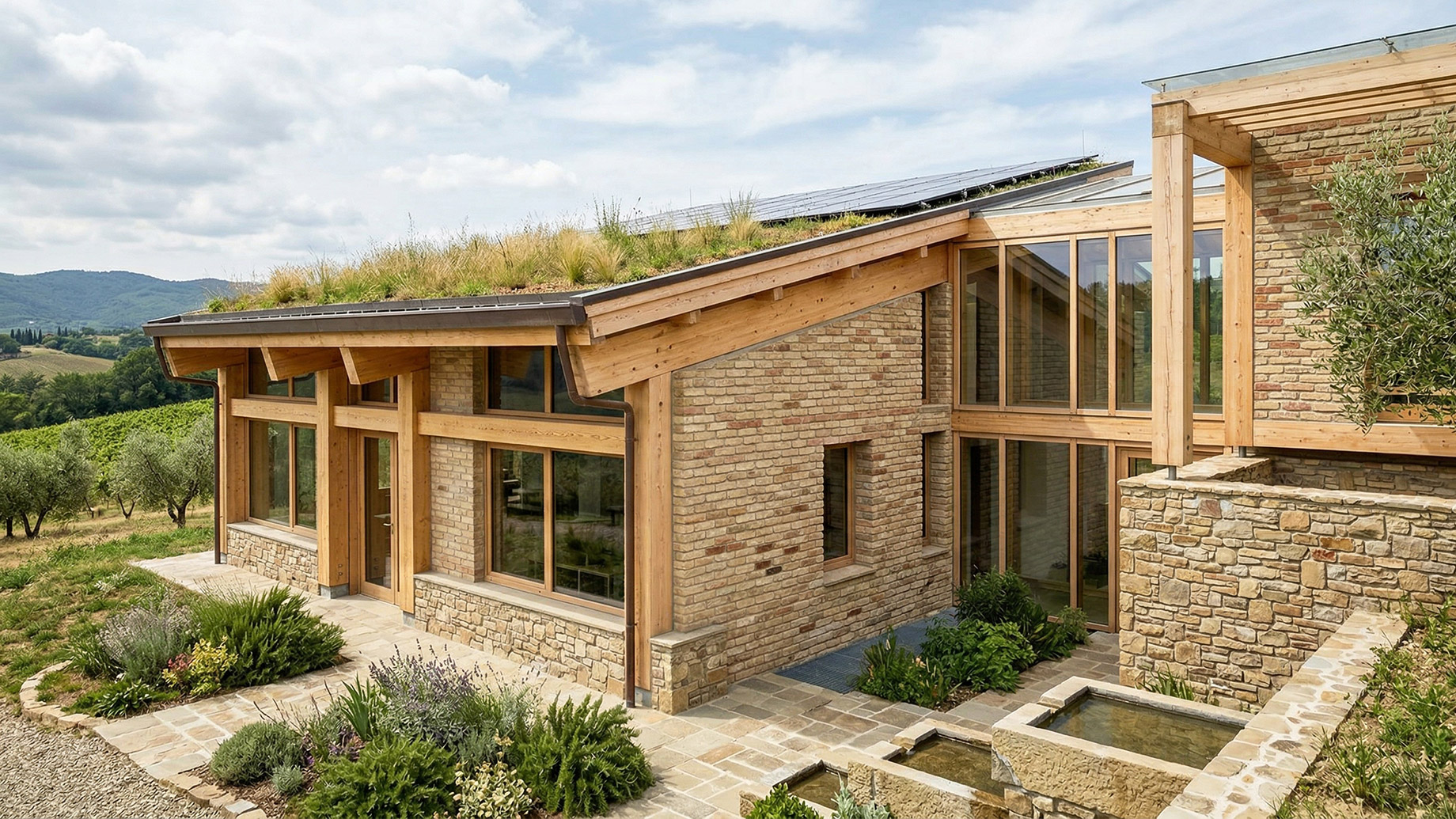
Sustainable construction is no longer just about reducing environmental impact in the short term. The real measure of sustainability lies in how materials perform over decades, even centuries. Choosing the right materials influences not only carbon footprints, but also durability, maintenance costs, occupant wellbeing, and long-term value. This guide explores how to make smarter, more sustainable material choices that support long-lasting builds.
Start with Lifecycle Thinking, Not Just Upfront Impact
One of the most common mistakes in sustainable construction is focusing too heavily on the initial carbon footprint or cost. While these factors matter, they only tell part of the story.
Lifecycle thinking evaluates materials across:
- Extraction and production
- Transportation and installation
- Operational performance
- Maintenance requirements
- End-of-life reuse or recycling
A material that lasts twice as long with minimal maintenance often has a far lower overall environmental impact than one that requires frequent replacement.
Prioritise Durability for True Sustainability
Durability is one of the most overlooked sustainability factors. Materials that withstand weather, pollution, and structural stress reduce the need for repairs, replacements, and resource consumption over time.
For example, clay-based building materials are known for their resilience to extreme weather, pests, and environmental damage, resulting in significantly lower maintenance requirements. In many cases, well-constructed clay buildings can last over a century, reinforcing their long-term sustainability credentials.
This longevity directly translates into:
- Reduced material waste
- Lower lifecycle emissions
- Greater long-term cost efficiency
Choose Natural and Low-Emission Materials
Natural materials such as clay, timber, and stone are increasingly favoured due to their lower environmental impact and minimal chemical processing.
Clay, in particular, stands out because:
- It is sourced from abundant natural materials
- It does not typically require chemical additives
- It contributes to healthier indoor air quality
Additionally, natural materials help reduce exposure to volatile organic compounds (VOCs), improving occupant health while maintaining structural integrity.
Consider Thermal Performance and Energy Efficiency
A building’s operational energy use often outweighs its construction impact over time. Materials that enhance thermal efficiency can significantly reduce heating and cooling demands. Materials with strong thermal mass, such as brick and clay, absorb and store heat, then release it gradually. This helps stabilise indoor temperatures and reduce reliance on mechanical systems. The result is lower energy bills, reduced carbon emissions, and improved comfort for occupants.
Evaluate Maintenance Requirements Early
Low-maintenance materials are essential for sustainable builds. Frequent repairs or treatments increase both environmental impact and long-term costs. Clay bricks, for instance, require very little upkeep and can remain structurally sound for decades without intervention. This makes them particularly valuable in projects where longevity and minimal disruption are priorities.
When selecting materials, ask:
- Will this require regular treatment or sealing?
- How does it perform in harsh weather conditions?
- What is the expected maintenance cycle?
Source Materials Responsibly
Sustainable materials are only as responsible as their supply chains. Ethical sourcing, local availability, and supplier transparency all play a role in reducing environmental impact. Working with trusted suppliers like EBM Supplies ensures access to materials that align with both performance and sustainability goals. Choosing EBM allows builders and developers to source materials that support durability, efficiency, and responsible construction practices. Local sourcing can also reduce transportation emissions, support regional economies, and improve supply chain reliability.
Design with Longevity in Mind
Material choice and design go hand in hand. Even the most sustainable materials can underperform if used incorrectly. Long-lasting builds prioritise adaptability to future needs, resistance to climate-related stress, and compatibility between materials. Design decisions such as orientation, ventilation, and insulation also play a crucial role in reducing environmental impact over time.
Making Smarter Material Choices
Choosing sustainable materials is ultimately about balance. The most effective decisions consider durability, environmental impact, performance, and long-term value together. The future of construction will not be defined by single materials, but by how intelligently they are selected, combined, and used to create buildings that last.
