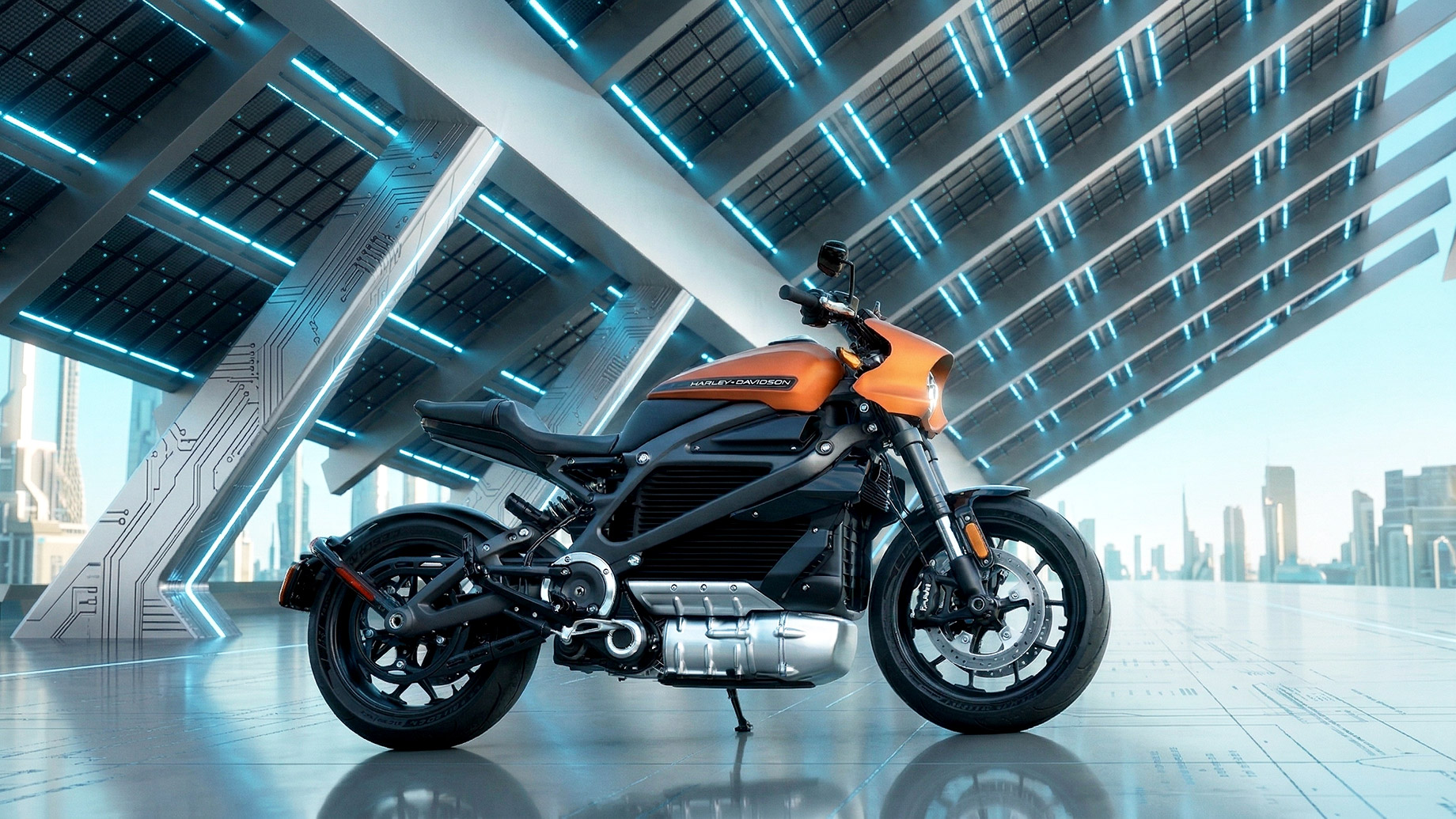
Buying an electric motorcycle is a bold move, especially with the 2026 used market heating up. If you are hunting for a used Harley-Davidson, the LiveWire (2020+ models) is likely at the top of your list. With prices softening as gas-bike values fluctuate, snagging a premium EV for under $10,000 is finally a reality.
However, a bargain is only a bargain if it stays on the road. Before you sign those papers at the motorcycle dealer’s, you need to know what you’re looking at. From 12V drain to thermal throttling, here is the ultimate guide to vetting a used LiveWire.
The Reality of Used LiveWires in 2026
While the LiveWire offers a thrilling ride, some legacy issues persist in older units. The most common “gotcha” isn’t actually the big high-voltage (HV) battery; it’s the small 12V accessory battery.
On 2020–2022 models, even a simple parking lot tip-over can trigger the hazard flashers. If the bike sits overnight, those flashers can drain the 12V battery to zero. Once that happens, the main HV pack disconnects for safety, leaving you with a very expensive, very silent paperweight.
Common Charging Hurdles
1. 12V Accessory Battery Drain
This is the most common complaint in owner forums. If the bike tips over even gently in a parking lot, the hazard flashers can activate and drain the 12V accessory battery overnight. When that happens, the main high-voltage pack remains disconnected. The bike appears completely dead.
Symptoms:
- No startup response
- Blank or flickering display
- Bike won’t initiate charge
If the battery voltage rests under 12.0V, expect to replace it immediately (roughly $150 for a standard AGM). Corroded terminals are another red flag.
Pre-buy test:
- Let the bike sit key-off for 30 minutes.
- Check resting voltage: it should be above 12.6V.
- Hit the start button and monitor voltage drop—it shouldn’t dip below 10.5V.
- Turn on the lights and the dash. Voltage should stay above 12.2V.
Failing this test doesn’t mean walk away. It means negotiation leverage.
2. Slow AC Charging (Level 1 & Level 2)
The stock onboard charger in 2020–2022 models is rated at 1.5kW. On a standard 120V outlet (Level 1), a 0–100% charge can take 12+ hours. And due to charging taper near full capacity, many owners report waking up to 85–90% after an overnight session.
That’s not necessarily a defect. It’s physics and thermal management. However, you should watch for:
- Excessive heat from the onboard charger
- Charging rates below 1.2kW on Level 2 (240V)
- Cable handshake errors at public stations
Thermal throttling is common after two or three back-to-back sessions. If the charger repeatedly reduces output to extremely low levels, it may indicate internal stress or degradation.
3. DC Fast-Charge Issues
The LiveWire supports DC fast charging via CCS, often at dealer-installed stations like ChargePoint. But used buyers should be aware of:
- Connection rejection errors
- App handshake failures
- Charging capped at 0.5kW
- Complete inability to initiate DC charge
Some problems are station-related. Others are firmware-related. In many cases, updating software resolves connection glitches.
Pro tip: Test DC charging during inspection. Don’t rely on the seller’s word.
The Pre-Buy Inspection: A Step-by-Step Test
Don’t just take the seller’s word for it. Grab a multimeter and an OBD scanner (or use the LiveWire S1 app) to perform these checks.
Step 1: 12V Battery Health
As noted earlier, test resting voltage, cranking voltage, and accessory load stability. This is your first line of defense.
Step 2: HV Battery State of Health (SoH)
Using the LiveWire app, check battery SoH. For 2020–2022 models, anything above 90% is solid. Below 80% is a serious red flag.
Real-world range expectations:
- 110–146 miles city (claimed when new)
- 70–100 miles of highway, depending on degradation
If the highway range is dipping under 100 miles with moderate riding, capacity loss may be greater than expected.
Step 3: Full Charge Cycle
If the seller allows it, observe:
- Level 1 overnight performance
- Level 2 charging rate
- DC fast charge handshake and sustained speed
Any failure across all three suggests deeper charging module issues.
Final Verdict: Buy or Bypass?
The LiveWire remains one of the best-built electric motorcycles ever made, but it demands a different kind of “wrenching” than a Sportster. When browsing motorcycle dealers or private listings for a used Harley Davidson, use the “Walk-Away Rule”: if the 12V battery fails the load test or the HV pack shows significant degradation, leave it for the next guy.
However, if the SoH is high and the frame is straight, you’re looking at a world-class machine for a fraction of its original $30,000 sticker price.
