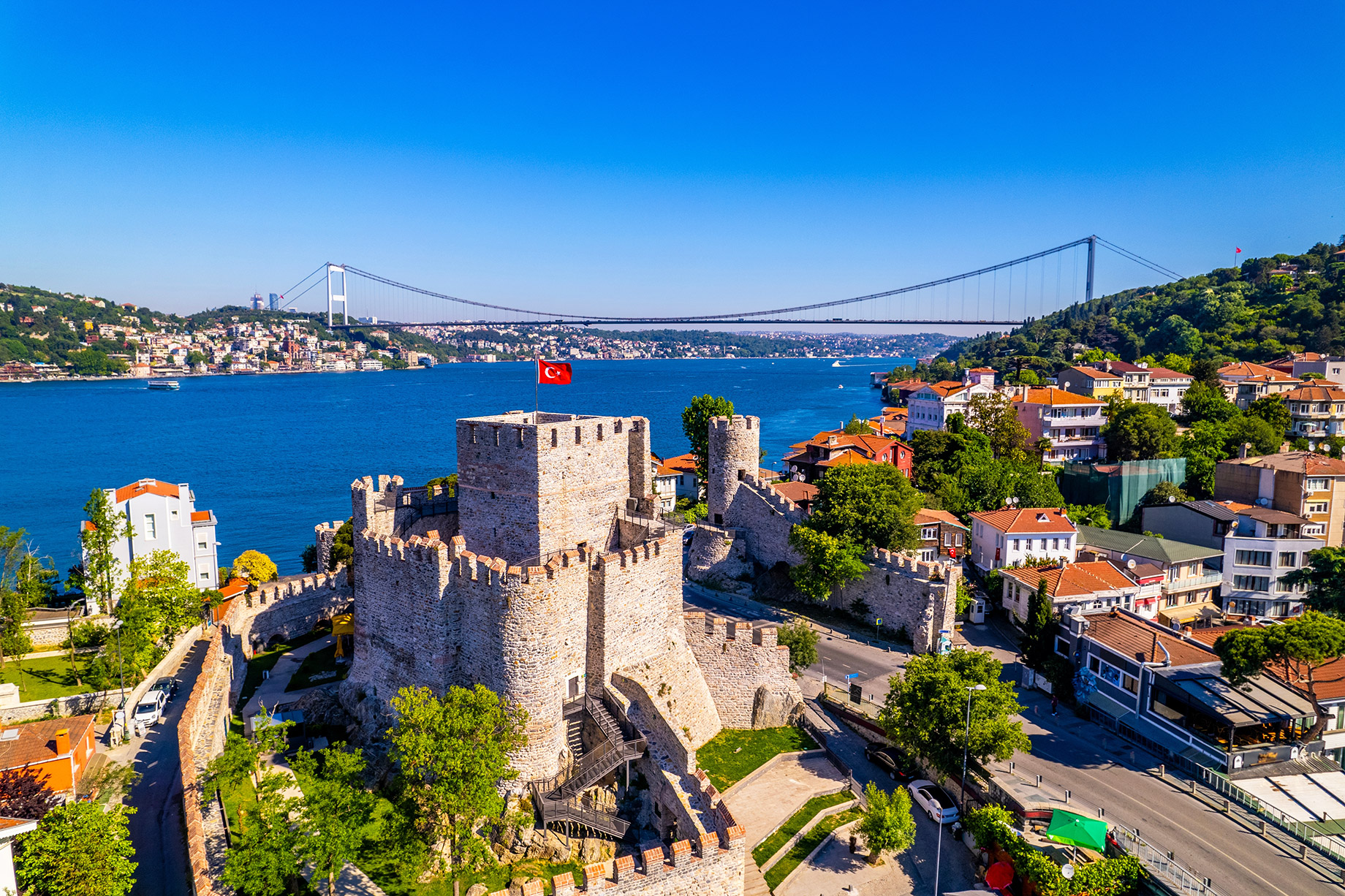
Istanbul attracts people from all over the world thanks to its unique blend of historical eras: monuments of the Byzantine and Ottoman Empires coexist side-by-side – mosques, palaces, aqueducts, and cisterns that are over a thousand years old. This rich heritage has turned the city into one of the world’s leading tourist destinations. However, for the real estate market, it creates a specific challenge: the most attractive and historically significant districts are closed to new construction, while demand for housing in Istanbul, Türkiye continues to grow. The response to this challenge has been urban renewal – both of individual buildings and entire neighbourhoods.
Over the past five years, the number of expats and digital nomads who have chosen Istanbul as their permanent home has reached hundreds of thousands. The city consistently ranks among the top destinations for digital nomads due to its combination of culture, affordable living costs, and reliable internet. Istanbul has developed a strong expat community, along with a well-established infrastructure of co-working spaces and cafés tailored to remote work. All of this creates steady demand for high-quality real estate in Istanbul, which new construction alone cannot fully satisfy. That is why the renovation and modernization of older housing stock has proven to be effective – and is attracting increasing attention from investors.
Akaretler Row Houses, Beşiktaş
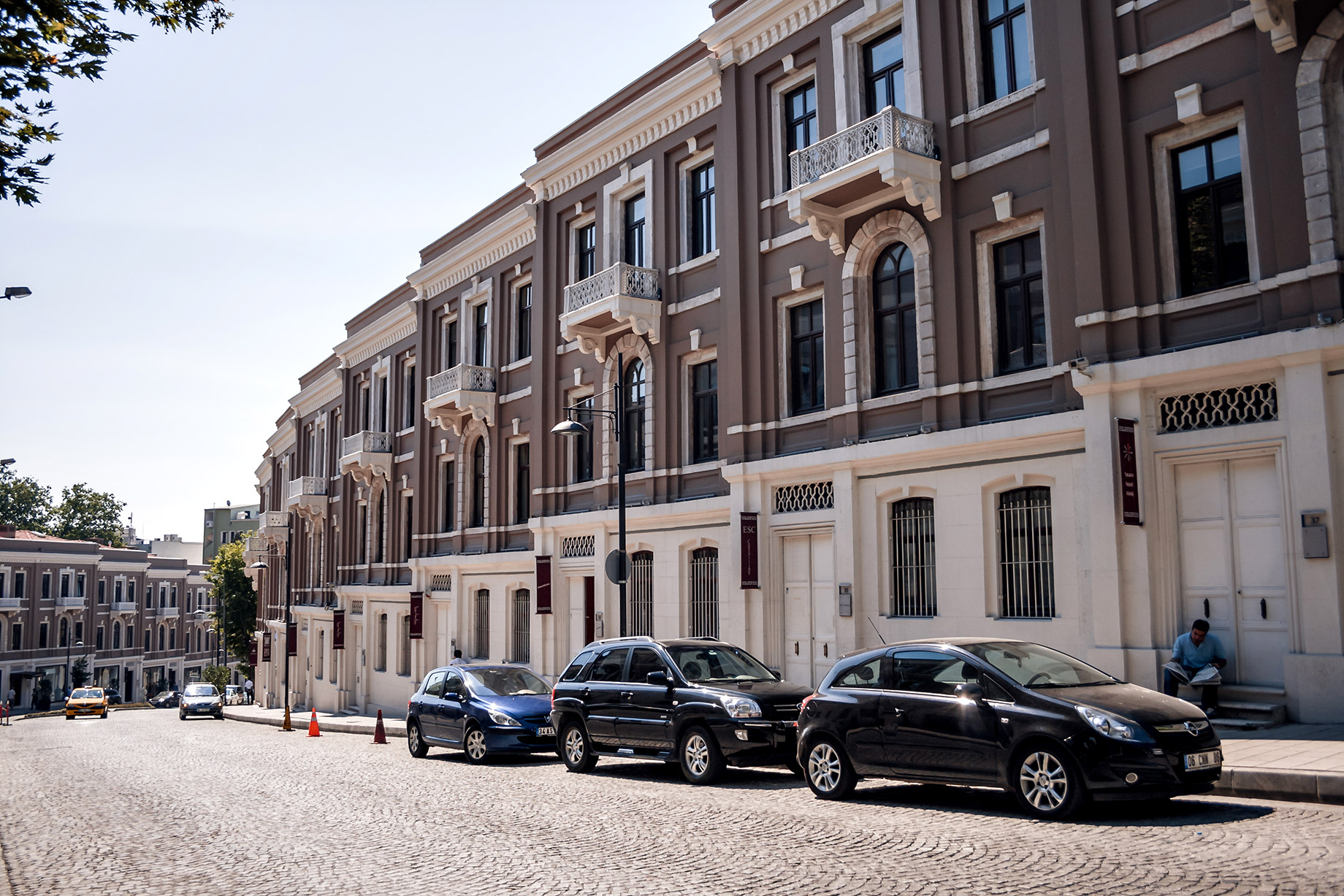
The Akaretler Row Houses in the Beşiktaş district were built in 1874 by order of Sultan Abdülaziz and were originally intended for the staff of Dolmabahçe Palace. A century later, the complex had fallen into disrepair and was abandoned. In 2005, the municipality, together with the Directorate for the Protection of Cultural Heritage, transferred the site to the private Bilgili Group under a public-private partnership model. After a large-scale restoration, the complex reopened in 2008, featuring 56 residential apartments of various layouts, 34 retail units, and the W Istanbul hotel. The project clearly demonstrated that a historic building within a protected area can not only be preserved but also transformed into a sought-after residential address with full infrastructure.
Balat District
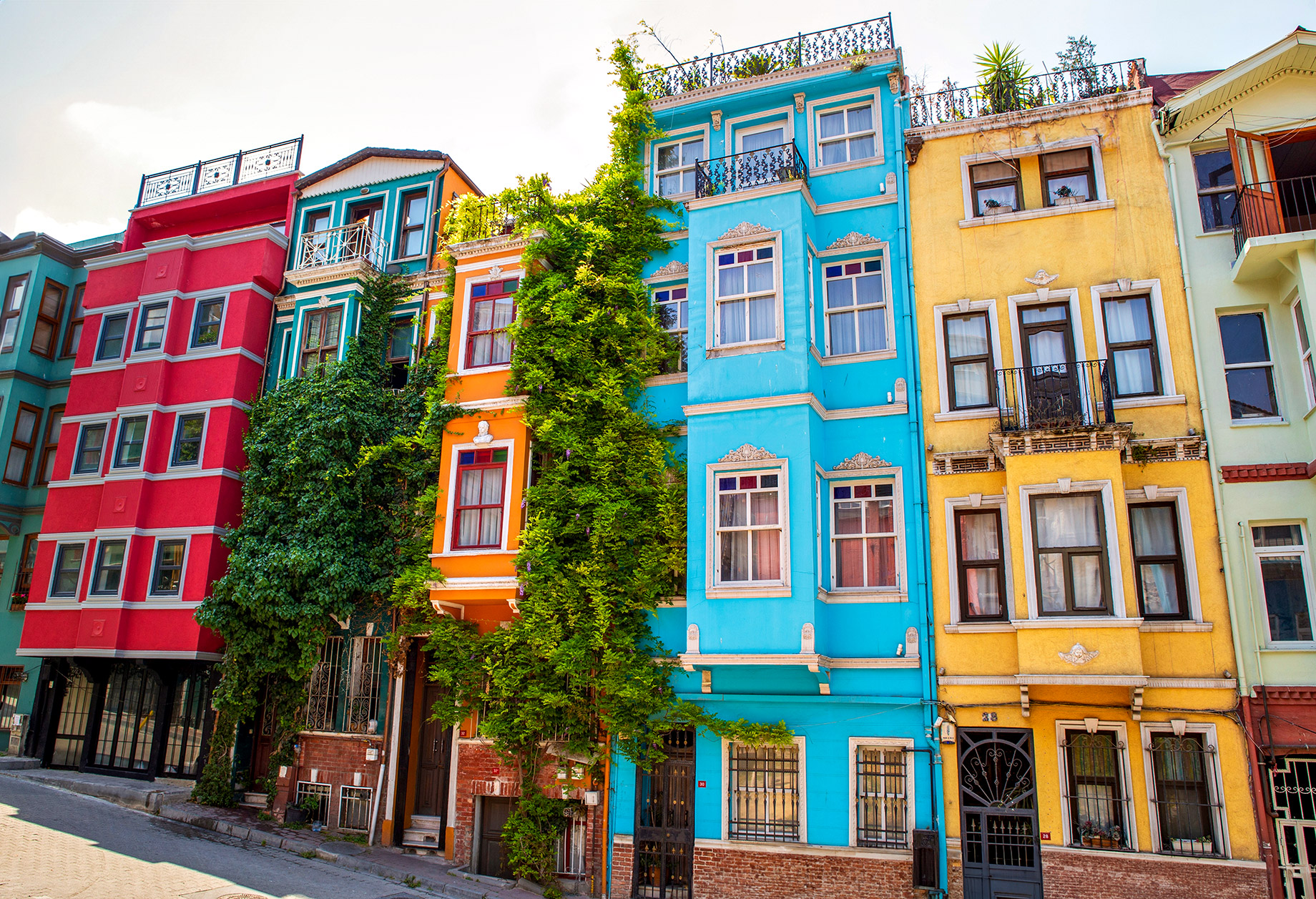
Located on the shores of the Golden Horn, Balat is one of the oldest districts in the European part of Istanbul, Turkey. In the 2020s, Balat became one of the most sought-after neighbourhoods in the city: many historic houses were repainted in bright colors and converted into cafés, restaurants, and guest apartments. UNESCO included the district in the World Heritage list and supported its revitalization; local residents actively participated in the transformation, opening venues with distinctive design concepts. Today, Balat is a clear example of how the renewal of a historic neighbourhood can dramatically change its status and the value of real estate within it.
Large-Scale Project: Galataport
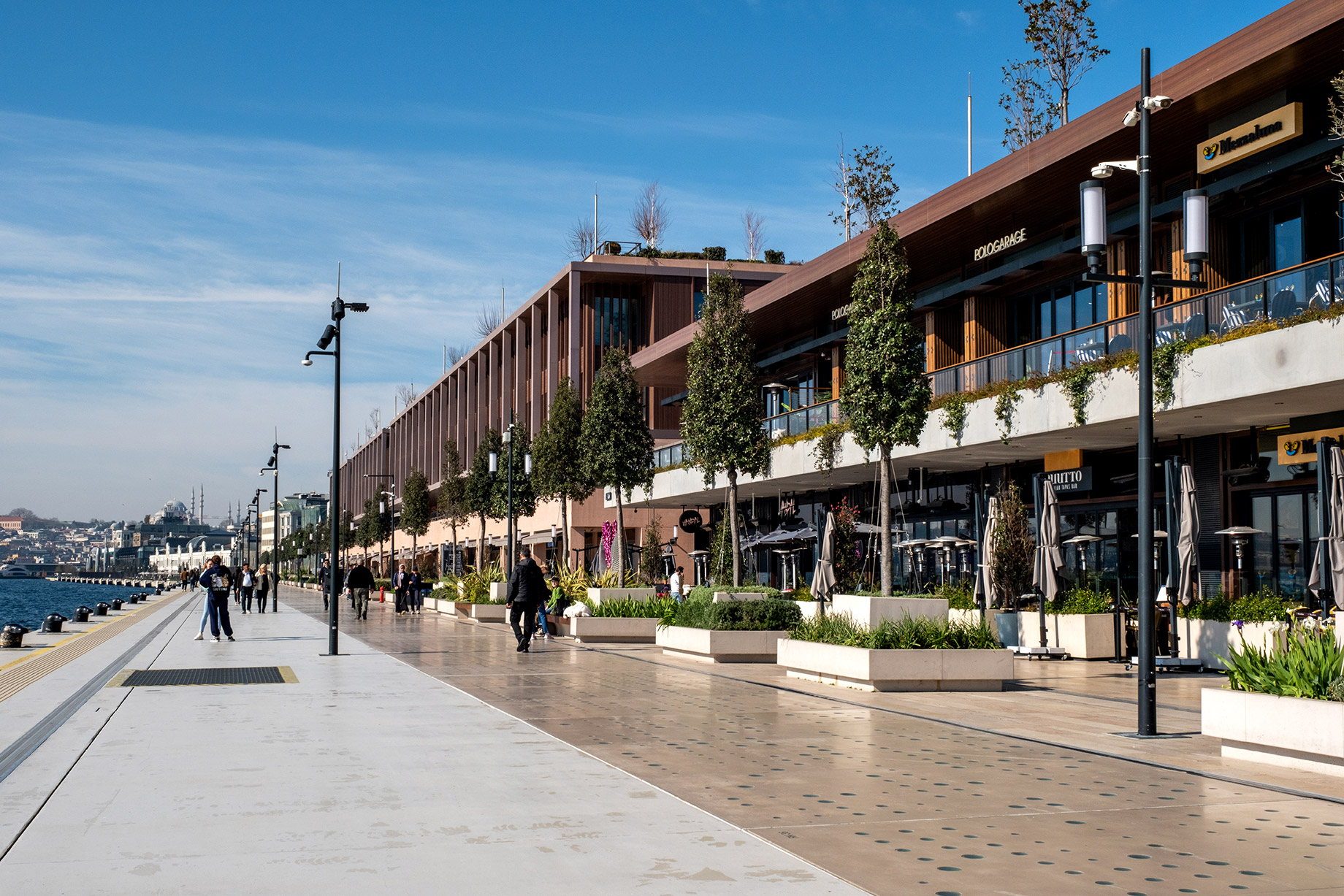
The most prominent example of large-scale urban renewal is Galataport – the transformation of a 1.2-kilometre waterfront in Karaköy. With investments totalling $1.7 billion, the project turned a declining port area into a modern multifunctional complex featuring a cruise terminal, museums, and public spaces. The waterfront, which had been closed to residents for nearly two centuries, became accessible for the first time; several heritage buildings were also restored as part of the project. The results are evident in the numbers: apartment prices in nearby districts – Karaköy, Beyoğlu, and Cihangir-increased by an average of 85% between 2021 and 2025, while the share of foreign real estate buyers in this area grew by 140%.
The three examples above clearly demonstrate that urban renewal in Istanbul is not merely renovation – it is a systemic tool of urban development that creates new value where new construction is no longer possible.
