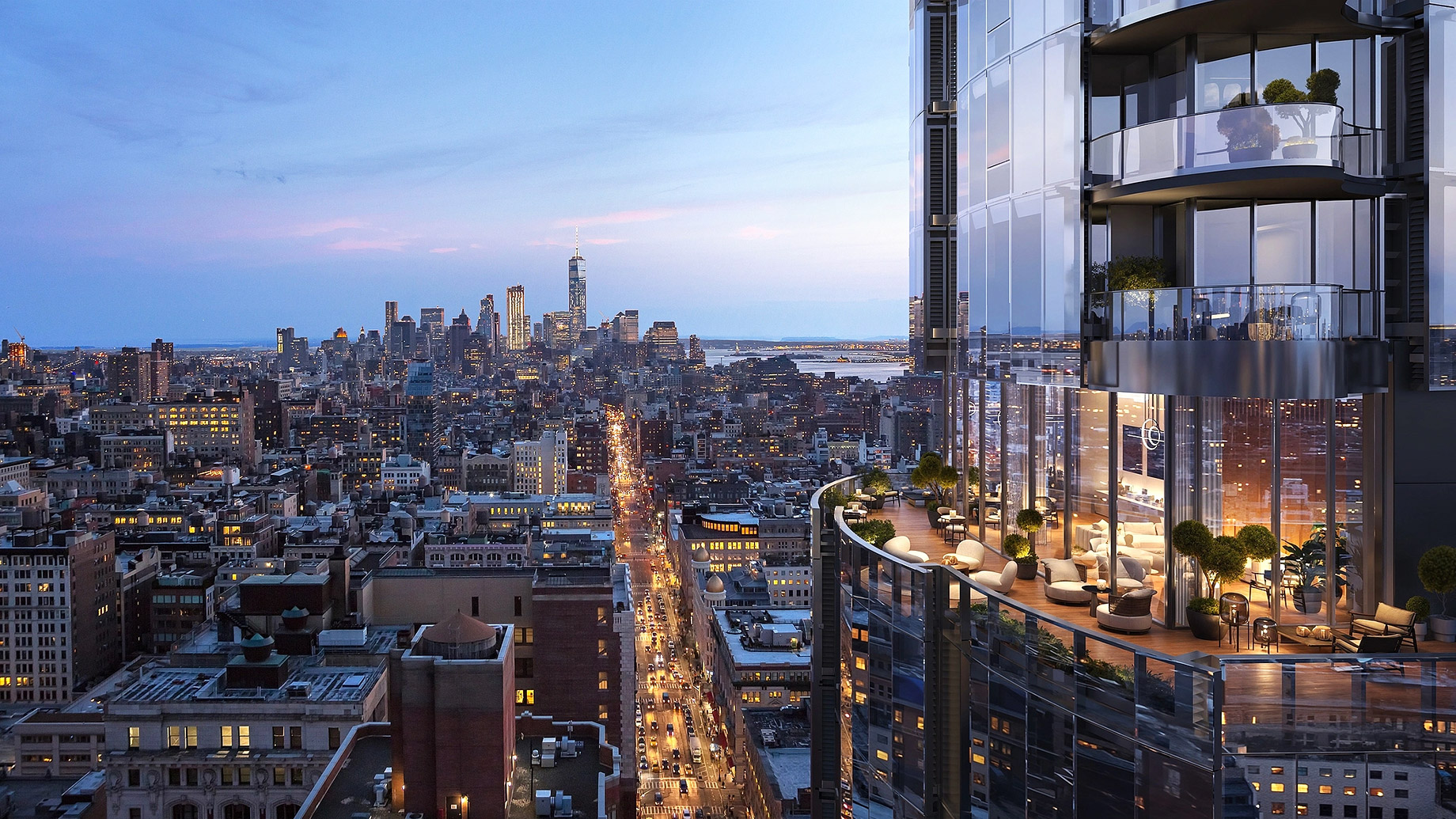
Modern architecture depends not only on engineering accuracy but also on the ability to clearly show what a project will look like before it is built. Clients, investors, and developers want to see the final result long before construction begins, and this is where architectural visualizations become essential. They transform drawings, sketches, and technical plans into realistic images, animations, and interactive experiences that make future buildings easy to understand and evaluate. High-quality visualization helps teams communicate better, avoid mistakes, and make confident decisions at every stage of a project.
What architectural visualization means today
Architectural visualization is the process of creating digital images or animations that represent a proposed building or space before it exists in reality. Using 3D modeling and rendering software, designers can show materials, lighting, textures, and environment in a way that looks almost photographic. This allows architects and clients to explore a project visually instead of trying to interpret complex technical drawings.
In the past, architects relied on physical models and hand drawings, but modern tools allow real-time editing, fast revisions, and highly realistic results. Visualization can include still images, interior views, exterior renders, fly-through animations, and even virtual reality walkthroughs. Each format serves a different purpose, from design development to marketing presentations.
Why architectural visualizations are important for modern projects
One of the main advantages of visualization is clarity. Technical plans are difficult to understand for people without architectural training, but realistic images make the idea immediately obvious. This improves communication between architects, developers, engineers, and clients, reducing misunderstandings and saving time.
Visualization also helps detect design problems early. When a project can be viewed in detail before construction starts, it becomes easier to notice layout issues, lighting problems, or material conflicts. Fixing these mistakes in the digital stage is much cheaper than fixing them during construction.
Another important benefit is decision speed. When stakeholders can see exactly how the project will look, they can approve changes faster, compare options, and choose the best solution without long discussions based only on drawings.
Architectural visualization as a marketing tool
Today visualization is used not only by architects but also by real estate developers, interior designers, and marketing teams. Photorealistic renders allow companies to promote buildings that are not yet built, attract investors, and present projects to buyers.
High-quality images create an emotional connection with the viewer. A well-made render can show sunlight, atmosphere, furniture, landscaping, and people, making the future space feel real. This makes visualization one of the most powerful tools for presentations, advertising, and sales.
In many cases, projects are sold before construction begins, and visualization makes that possible. Without realistic images, it would be much harder for clients to imagine the final result.
Different types of architectural visualizations
Architectural visualization includes several formats depending on the goal of the project. Static renders are the most common and are used for presentations and marketing. Interior visualizations show furniture, lighting, and materials in detail, while exterior renders show the building in its environment.
Animations and walkthroughs allow viewers to move through the space, which helps understand scale and layout. Virtual reality and real-time rendering technologies make the experience even more immersive, letting clients explore the project as if it already exists.
Each type of visualization supports a different stage of design, from early concept to final approval, making it an important part of the entire architectural workflow.
Technology behind modern visualization
Creating realistic visuals requires advanced software, powerful computers, and artistic skills. Designers use modeling tools to build the structure, rendering engines to simulate lighting and materials, and post-production tools to add atmosphere and details.
Modern visualization also uses real-time engines, AI-assisted rendering, and virtual reality to speed up production and improve quality. These technologies allow designers to test different options quickly and present results in a highly realistic form.
Because of this complexity, many architecture firms work with specialized studios that focus only on visualization. Professional teams can create images faster and with higher quality, especially for large projects or marketing campaigns.
How visualization improves collaboration
Architectural projects involve many people: architects, engineers, designers, clients, developers, and contractors. Visualization creates a shared reference that everyone can understand. Instead of discussing abstract plans, the team can look at the same image and talk about real details.
This makes meetings more productive and reduces the risk of mistakes caused by misunderstanding. It also helps non-technical stakeholders participate in decisions, which is important for commercial and residential projects.
Visualization also supports remote collaboration, since images and animations can be shared easily with teams in different locations.
The future of architectural visualization
Visualization continues to evolve as technology improves. Real-time rendering, virtual reality, and AI tools are making the process faster and more interactive. Clients can already walk through digital buildings, change materials instantly, and see different lighting conditions in seconds.
In the future, architectural visualizations will become even more realistic and more integrated with the design process. Instead of being only a presentation tool, visualization is becoming part of how buildings are designed, tested, and approved.
