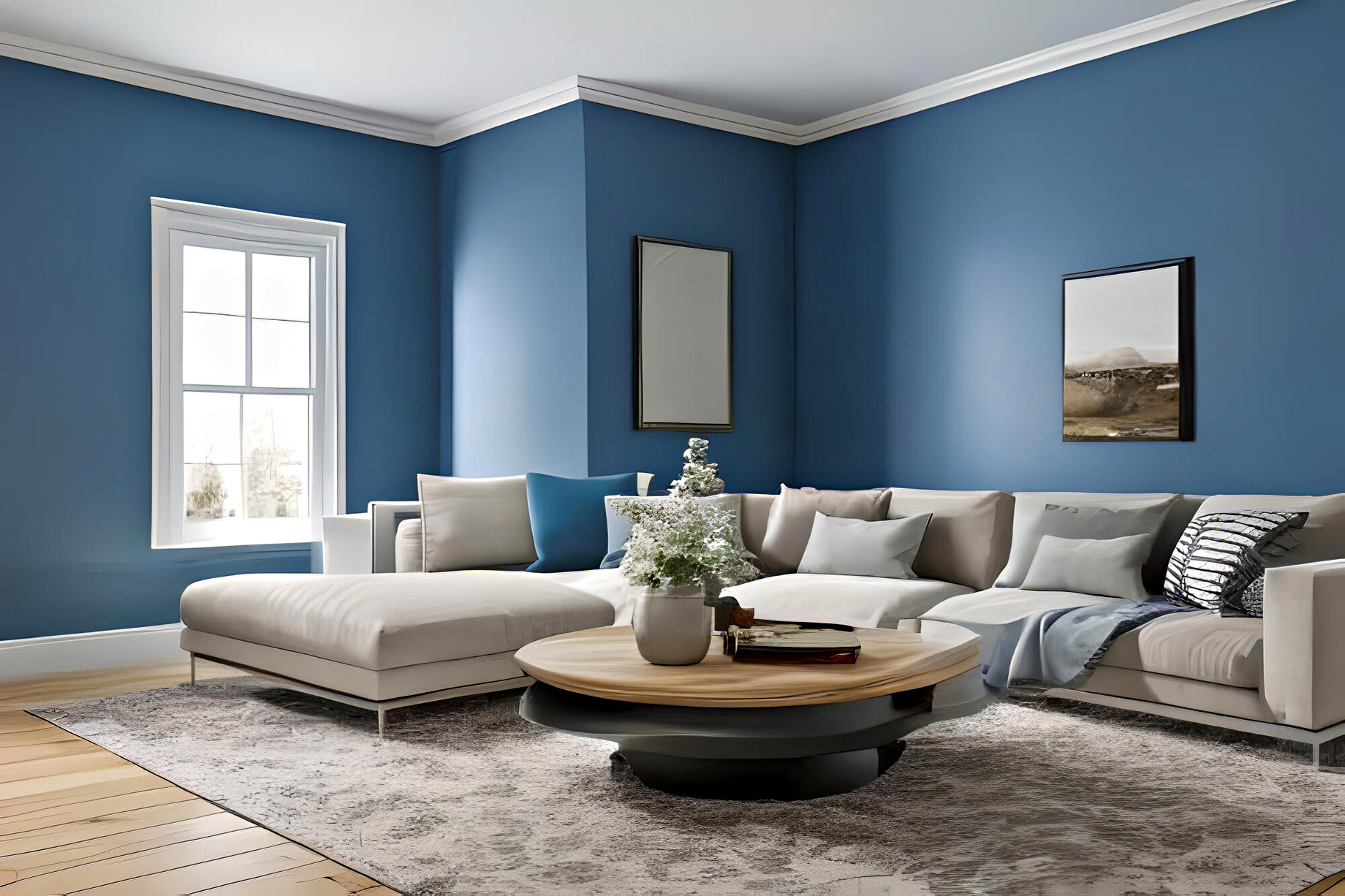
Your home should feel like a place you want to return to every day. When rooms feel cramped or worn, daily life can start to feel heavier than it should. Comfort-focused design brings attention to how your space supports rest, movement, and simple routines, not just how it looks.
By making smart, thoughtful changes, you can create a home that feels calm, useful, and easier to enjoy without giving up style-keep reading to see how these ideas come together in the full article.
Designed for Daily Comfort
Comfort-focused design prioritizes people by shaping spaces around their real daily needs. Each room supports easy movement, simple routines, and a calm atmosphere through smart layout and furniture choices. Cozy zones help people relax, work, or connect without clutter, making this approach ideal for modern living where space is limited.
Smart Layouts That Improve Daily Living
An effective layout can transform a home’s feeling and functionality. Open floor plans allow light and air to move freely, making rooms feel larger and more welcoming. Clear walkways reduce stress and help people move through the space with ease.
Multi-use spaces add flexibility to daily life. A dining area can also serve as a work or study spot when needed. Built-in storage within walls or furniture saves space and keeps rooms clean, a design approach seen in many modern communities like Holden at Oak Grove apartments.
Simple Finishes That Feel Calm
Finishes play a key role in comfort by shaping how a space feels every day. Natural materials such as wood and stone add warmth, while soft fabrics create a relaxed, lived-in atmosphere. Neutral colors keep the space calm, age well over time, and create a steady feel that is never busy or loud.
Why Natural Light Matters
Natural light is a key part of comfort-focused design because it helps spaces feel open and bright. Sunlight can improve mood and energy, making a home feel more welcoming and less closed in. Simple changes like lighter curtains or well-placed mirrors can help spread light throughout the room.
Colors That Support Comfort
Color affects how a space feels by shaping mood and balance. Soft tones like earthy shades, light pastels, and cool neutrals create a calm and steady atmosphere. Using one color family across rooms reduces visual noise and helps the home feel larger and more peaceful.
Personal Touches Make It Feel Like Home
Comfort isn’t just about design-it’s also about personal touches. Photos, artwork, and handmade pieces add warmth and meaning to a space. Even small items can make a room feel lived-in and welcoming.
Make Comfort Part of Your Everyday Life
A home designed for comfort does more than look good. It helps you move with ease, relax without effort, and enjoy daily routines without stress. Simple choices like better layouts, softer colors, and practical details can change how a space feels and functions. These updates support your well-being and make your home feel more natural and easy to live in.
You don’t need to accomplish everything at once to see immediate results. Identify what matters most in your daily life and expand from there. A small upgrade today can lead to lasting comfort tomorrow.
Keep exploring our blog for more simple ideas that make modern living feel better every day.
