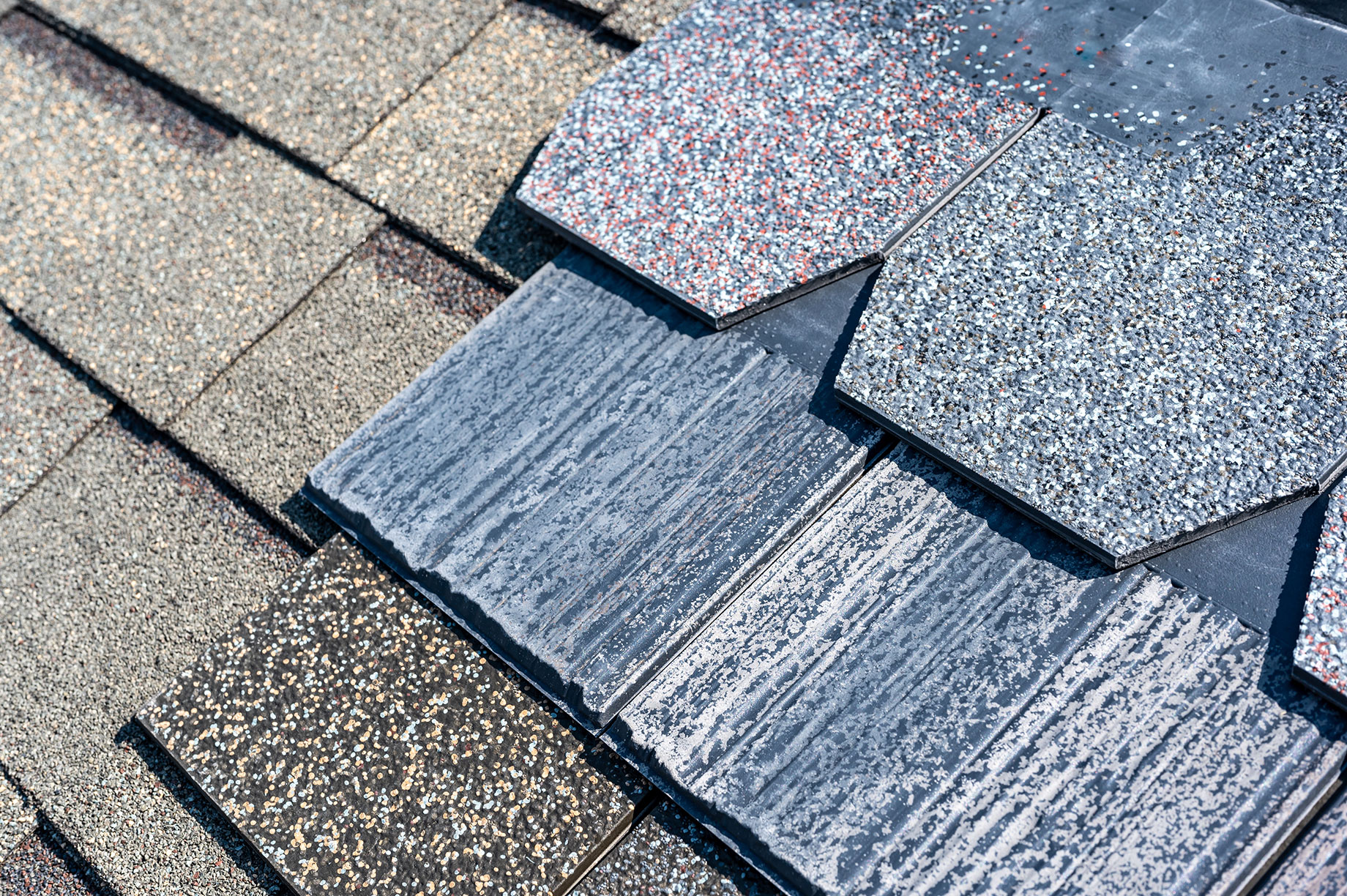
In the world of real estate and home maintenance, few upgrades offer as clear a return on investment as a high-performance roof. For homeowners in regions prone to severe weather—specifically hail and high winds—the standard asphalt shingle often falls short. Enter the Class 4 impact-resistant roof. Often touted by insurers and contractors alike, this roofing classification represents the pinnacle of durability for asphalt products.
But what exactly earns a roof this title, and does the performance justify the higher upfront cost? Understanding the engineering behind the rating reveals why this upgrade is becoming a standard for luxury and practical homes alike.
The Physics of the Class 4 Rating
The term “Class 4” is not just marketing fluff; it is a technical designation derived from the rigorous UL 2218 standard administered by Underwriters Laboratories. To achieve this rating, a shingle must withstand a brutal stress test: a 2-inch steel ball is dropped onto the same spot twice from a height of 20 feet.
If the shingle shows no evidence of tearing, fracturing, or cracking on the reverse side, it earns the Class 4 distinction. Standard shingles, by comparison, often rupture under significantly less force. The secret to this resilience typically lies in the chemistry. Manufacturers often use Styrene-Butadiene-Styrene (SBS), a rubberized polymer that modifies the asphalt, allowing it to flex and absorb energy like a tire rather than shattering like hard plastic.
The Financial Upside: Insurance and Longevity
While the immediate draw is protection, the long-term Class 4 roof benefits are largely financial. Because these roofs drastically reduce the likelihood of claims, insurance companies are eager to incentivize their installation.
- Premium Discounts: Many major carriers offer annual premium discounts ranging from 20% to 35% for homes with certified Class 4 roofing. Over a decade, these savings alone can often offset the initial installation premium.
- Extended Lifespan: A standard roof might last 20 years in a mild climate, but hail can destroy it in five. Class 4 systems are often rated for 50 years because they resist the micro-cracking that leads to early granular loss and UV degradation.
The Role of Professional Installation
It is important to note that a Class 4 product does not guarantee a Class 4 performance if the underlying structure is compromised. The roof deck, underlayment, and ventilation must all be brought up to modern standards to support the high-performance shingles.
This is where vetting roofing experts becomes the most critical step in the process. Specialized contractors understand that impact-resistant shingles are often thicker and heavier than standard three-tab shingles, requiring specific nailing patterns to ensure they hold fast during hurricane-force winds. A knowledgeable team will also handle the necessary paperwork to ensure your new roof is properly certified for those valuable insurance discounts.
Conclusion
A Class 4 roof is more than just a shelter; it is a strategic asset. By combining advanced polymer technology with superior impact resistance, it provides a shield that protects your home’s equity and your wallet simultaneously. For homeowners looking to future-proof their property against an increasingly volatile climate, the investment in impact resistance is a clear choice.