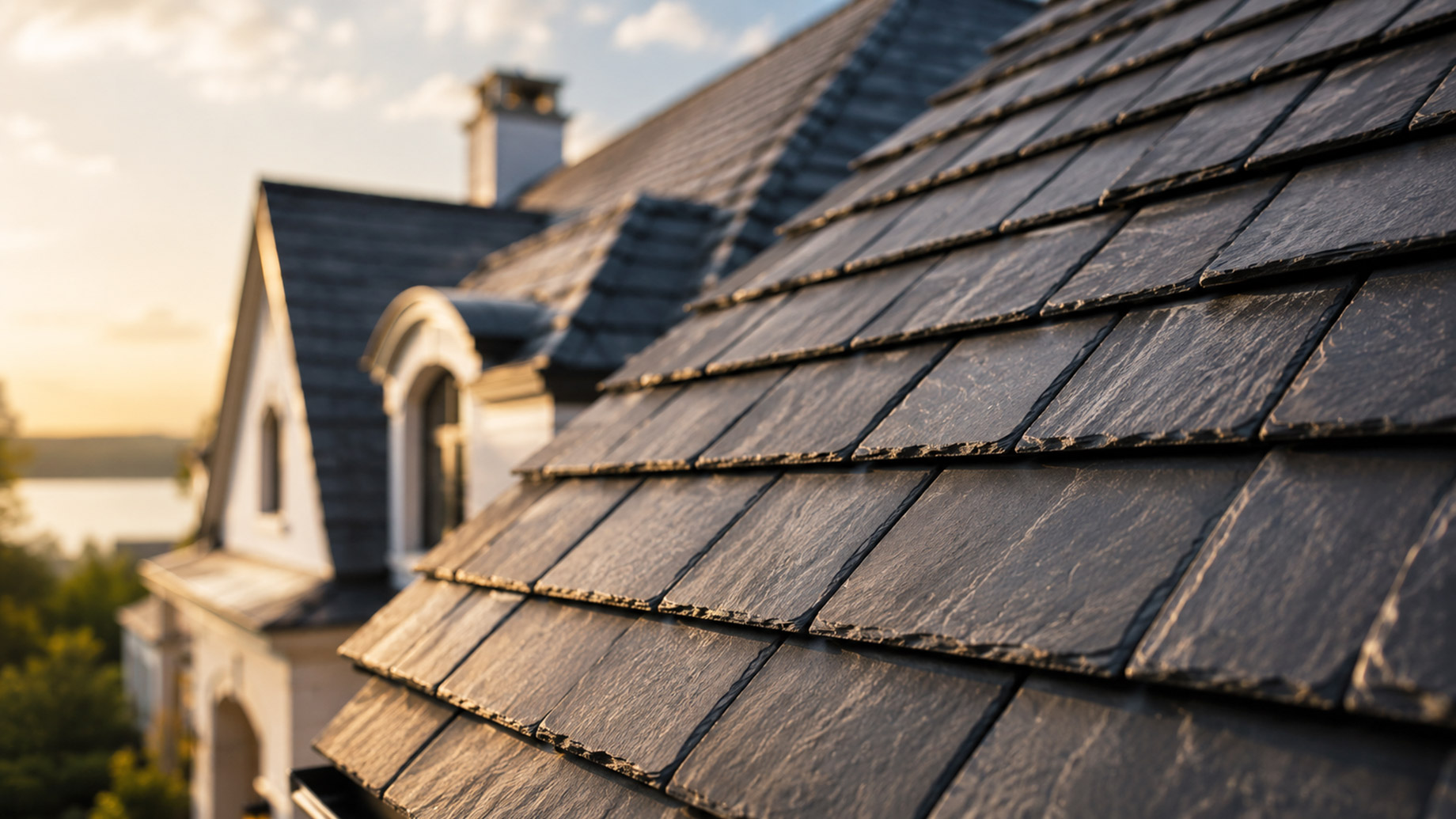
A home’s roof is easy to overlook until something goes wrong. Walls, windows, landscaping, interiors, and outdoor living spaces usually receive more visual attention, especially in higher-end homes where design decisions are carefully considered. Yet the roof is one of the most important structural and financial components of any property.
A well-built roof protects the home from water intrusion, wind, heat, moisture, and long-term structural deterioration. It also influences curb appeal, energy performance, insurance considerations, resale confidence, and the overall comfort of the property. For homeowners in coastal and storm-prone regions, roofing quality is not simply a maintenance issue. It is a core part of protecting the value of the home.
The Roof Is More Than a Protective Cover
Many homeowners think of a roof as a finished surface: shingles, tile, metal panels, or another exterior material. In reality, a roof is a system. Its performance depends on how each layer works together.
A proper roofing system may include decking, underlayment, flashing, ventilation, drainage, fasteners, ridge components, gutters, valleys, and penetrations around chimneys, skylights, vents, and mechanical systems. If one part fails, the rest of the home can be affected.
Small problems can also become expensive quickly. A loose shingle, cracked tile, failed flashing detail, or minor roof leak may seem isolated at first. Left untreated, that same issue can lead to interior staining, insulation damage, mould concerns, wood rot, electrical risks, and structural repairs.
This is why regular roof inspections and timely repairs matter. They help homeowners address manageable problems before they become major projects.
Roofing Has a Direct Impact on Property Value
For luxury and high-value homes, the roof contributes to both practical and visual appeal. A dated or deteriorating roof can make an otherwise beautiful property appear neglected. A clean, well-installed roof, by contrast, can strengthen the home’s architectural presence.
This is especially true for properties with visible rooflines, Mediterranean-style homes, coastal residences, estate homes, and commercial buildings where exterior presentation affects perception. Tile, metal, slate, architectural shingles, and other premium roofing materials can all support a property’s design language when properly selected and installed.
Buyers also look at roofing condition as part of risk assessment. A home with a recently maintained or professionally replaced roof can feel more secure than one with uncertain age, visible wear, or unclear repair history. Even when the interior has been renovated, roofing concerns can become a negotiation point during inspection.
Florida Homes Need Roofing Systems Built for Local Conditions
In Florida and other coastal regions, roofing performance is shaped by more than age. Heat, humidity, salt air, heavy rain, high winds, tropical storms, and intense sun exposure all place pressure on roofing materials.
A roof that may perform well in a mild climate may not be the best fit for a Florida home. Material selection, installation quality, underlayment, fastening methods, flashing details, ventilation, and drainage all matter.
Homeowners should also think about the property’s specific exposure. A home near the coast, a shaded property with heavy tree cover, a flat-roofed commercial building, and a tile-roofed estate may each require different maintenance priorities. The right roofing plan is not generic. It should reflect the structure, location, material, age, and long-term ownership goals.
Choosing Between Repair and Replacement
Not every roof problem requires full replacement. In many cases, a targeted repair is the better decision. Localized storm damage, a minor leak, a failed flashing section, missing shingles, or isolated tile damage may be repairable if the underlying structure remains sound.
Replacement becomes more relevant when the roof is near the end of its useful life, damage is widespread, materials are failing across multiple areas, or repeated repairs no longer make financial sense.
A professional inspection should help clarify the difference. The goal is not simply to sell a new roof. The goal is to understand the real condition of the roof and choose the most appropriate path.
For homeowners evaluating roof repair or replacement in Southwest Florida, companies such as https://rockcastleroofing.com provide services across residential roofing, commercial roofing, shingle roofs, tile roofs, metal roofs, inspections, repairs, and storm-related damage.
What Homeowners Should Look for in a Roofing Contractor
Roofing is not an area where homeowners should rely only on price. A cheaper project can become more expensive if workmanship is poor, materials are unsuitable, or the scope is unclear.
Before hiring a roofing contractor, homeowners should look for several essentials:
- Proper licensing and insurance
- Experience with the specific roof material
- Clear written estimates
- A defined project scope
- Details on materials and installation methods
- Warranty information
- Communication about timelines
- Documentation of repairs or replacement work
- Familiarity with local weather conditions and building requirements
A good contractor should be able to explain what the roof needs, why it matters, and what options are available. Homeowners should leave the discussion with a clearer understanding of the property, not more confusion.
Roof Inspections Should Be Part of Long-Term Home Care
Roof inspections are often associated with buying or selling a home, but they should also be part of regular property maintenance. Annual inspections can help identify early signs of wear, storm damage, drainage problems, cracked materials, or vulnerable flashing details.
Inspections are also useful after major weather events. Even when damage is not obvious from the ground, wind, debris, and heavy rain can affect roofing components. A post-storm inspection can help document the roof’s condition and determine whether repairs are needed.
For homeowners with second homes, seasonal residences, or investment properties, scheduled roof maintenance is especially important. Problems can develop while the owner is away, and early detection can prevent costly interior damage.
Material Choice Should Match the Home and Climate
The best roofing material depends on the property. Asphalt shingles remain common because they are versatile and widely used. Tile roofing can offer strong architectural character, especially for Mediterranean and coastal homes. Metal roofing is valued for durability, weather resistance, and a clean modern profile. Commercial roofs may require flat or low-slope systems designed around drainage, membrane performance, and building use.
Aesthetics matter, but performance should come first. Homeowners should consider weight, slope, local climate, maintenance requirements, energy performance, expected lifespan, and compatibility with the structure.
A premium material installed poorly will not perform like a properly designed roofing system. Installation quality is just as important as product selection.
A Strong Roof Protects the Whole Home
Roofing is one of the clearest examples of where prevention matters. A strong roof protects interiors, preserves structural integrity, supports resale confidence, and reduces the likelihood of disruptive emergency repairs.
For homeowners who care about long-term property value, roofing should be treated as a strategic investment rather than an occasional expense. Whether the home needs inspection, repair, maintenance, or full replacement, the most important step is to act before small issues become large ones.
A beautiful home starts with design, but it is preserved through protection. The roof is central to that protection.
