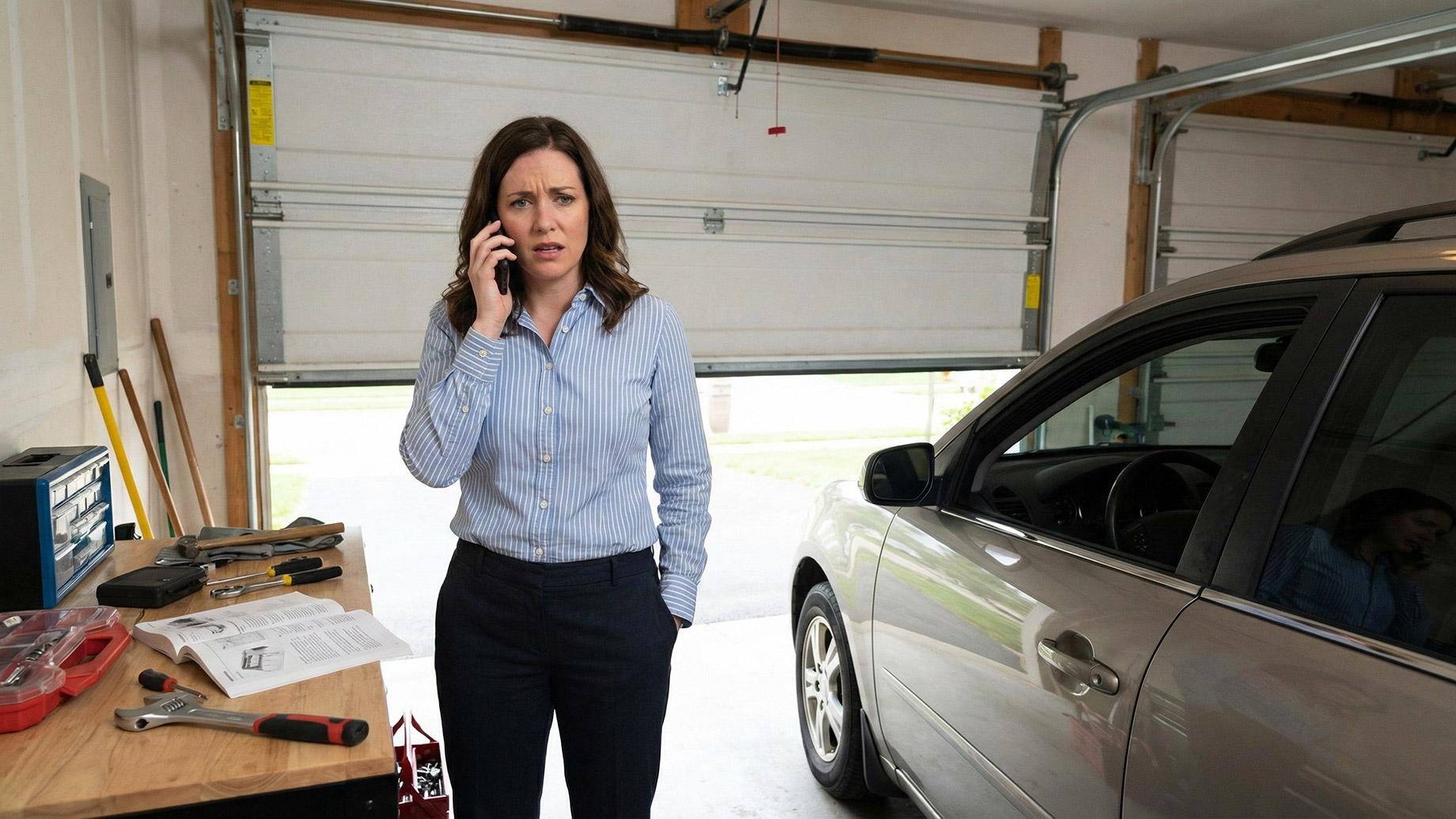
It usually happens at the worst possible time. You’re rushing out the door, coming home late, or dealing with an already busy day when an essential home system suddenly stops working. What makes these situations stressful isn’t just the problem itself. It’s how quickly everything else starts to feel disrupted. Your schedule, your sense of security, and even your safety can be affected in minutes.
Essential home systems are designed to work quietly in the background. When they function properly, you barely notice them. But when they fail, the impact is immediate. Many homeowners hesitate in these moments, hoping the issue will resolve itself or that waiting a little longer won’t make a difference. In reality, delays often turn manageable problems into costly, complicated ones.
Quick action doesn’t mean panic. It means recognizing when a system failure requires prompt attention and responding in a way that protects your home, your time, and your peace of mind. Acting early is one of the smartest habits a homeowner can develop.
When Essential Access and Safety Systems Stop Working
Some home systems are more than conveniences. They’re tied directly to access, safety, and daily movement. When these systems fail, waiting isn’t just inconvenient; it can create real risks. Doors that won’t open or close properly, systems that stop responding, or components that suddenly malfunction can leave you stuck, exposed, or unable to secure your home.
In situations like these, homeowners often need emergency garage door repair because a non-functioning door can block access to vehicles, prevent secure closure, or pose safety hazards due to heavy moving parts. Professional technicians are trained to assess these situations quickly, address mechanical issues safely, and restore proper operation without causing further damage. Acting promptly helps reduce downtime, prevents additional strain on the system, and allows you to get back to normal routines with less disruption.
Recognizing when a system failure affects access or safety is key. These are not problems to put off, even for a day.
How Delayed Repairs Often Lead to Bigger Problems
Small failures rarely stay small when left unattended. A system that’s struggling often places extra stress on nearby components, which accelerates wear. What might have been a straightforward fix can grow into a more complex issue if the system continues to operate improperly.
For example, mechanical parts that are misaligned or worn can damage tracks, motors, or support structures over time. Delaying repairs often means more parts need attention later, increasing both repair time and cost. In many cases, homeowners end up paying more simply because they waited too long to act.
Quick repairs limit the scope of damage. They address the root cause early, preventing a chain reaction of additional problems.
The Safety Risks of Ignoring Failing Home Systems
Safety should always come first when a home system fails. Many essential systems involve weight, movement, electricity, or security. Ignoring warning signs can expose homeowners and family members to unnecessary risks.
Malfunctioning systems may behave unpredictably. A door could suddenly move, stop mid-operation, or fail to secure properly. Electrical or mechanical failures can increase the risk of accidents, especially when people attempt temporary fixes without proper tools or experience.
Responding quickly allows trained professionals to handle the issue safely. It removes guesswork and reduces the chance of injury or further damage.
Why Essential Systems Rarely Fail at a Convenient Time
Home systems don’t follow your schedule. They often fail during peak use, extreme weather, or busy periods when you need them most. This poor timing adds to the stress and makes delays even more disruptive.
Because failures tend to happen unexpectedly, having a plan for a quick response matters. Knowing which systems require immediate attention and understanding when to call for help reduces panic and wasted time.
Preparedness turns an inconvenient breakdown into a manageable situation.
How Quick Action Helps Protect Property Value
Unresolved system issues don’t just affect daily life. They can impact your home’s condition and value. Problems that linger may cause visible damage or leave lasting effects that future buyers or inspectors notice.
For example, a system that doesn’t function properly can create wear patterns, structural strain, or cosmetic damage. Over time, these issues signal neglect, even if the original problem was small.
Prompt repairs help maintain the overall condition of your home. They preserve functionality and show that the property has been cared for responsibly.
The Financial Impact of Waiting Too Long
It’s common to delay repairs in hopes of saving money, but waiting often has the opposite effect. Minor issues typically cost less to fix than advanced failures that involve multiple components.
Delays can also lead to temporary workarounds that aren’t effective long-term. These stopgap solutions may mask the problem without resolving it, leading to repeated expenses.
Acting quickly allows you to address the issue once, properly, and often at a lower overall cost.
Knowing When a Problem Requires Immediate Professional Help
Not every home issue is an emergency, but some warning signs shouldn’t be ignored. Loud noises, sudden loss of function, visible damage, or systems that stop responding are indicators that professional help is needed.
When a problem affects access, security, or safety, it’s best to avoid DIY attempts. Trained technicians have the tools and experience to identify the cause and fix it without creating additional risks.
Trusting professionals in urgent situations protects both you and your home.
Preparing for Unexpected System Failures
While you can’t prevent every failure, you can prepare for them. Knowing who to contact, keeping important numbers accessible, and understanding which systems require a quick response helps reduce stress when something goes wrong.
Routine maintenance also plays a role. Systems that are inspected and serviced regularly are less likely to fail suddenly and more likely to show warning signs before major breakdowns.
Preparation doesn’t eliminate problems, but it makes them easier to manage when they happen.
When essential home systems fail, time matters. Quick action helps limit damage, reduce safety risks, and control costs. More importantly, it restores stability and allows you to return to normal routines with confidence.
Waiting often turns simple issues into bigger challenges. By recognizing when a problem needs immediate attention and responding promptly, you protect your home, your investment, and your peace of mind. In moments of disruption, informed action is one of the most valuable tools a homeowner has.
