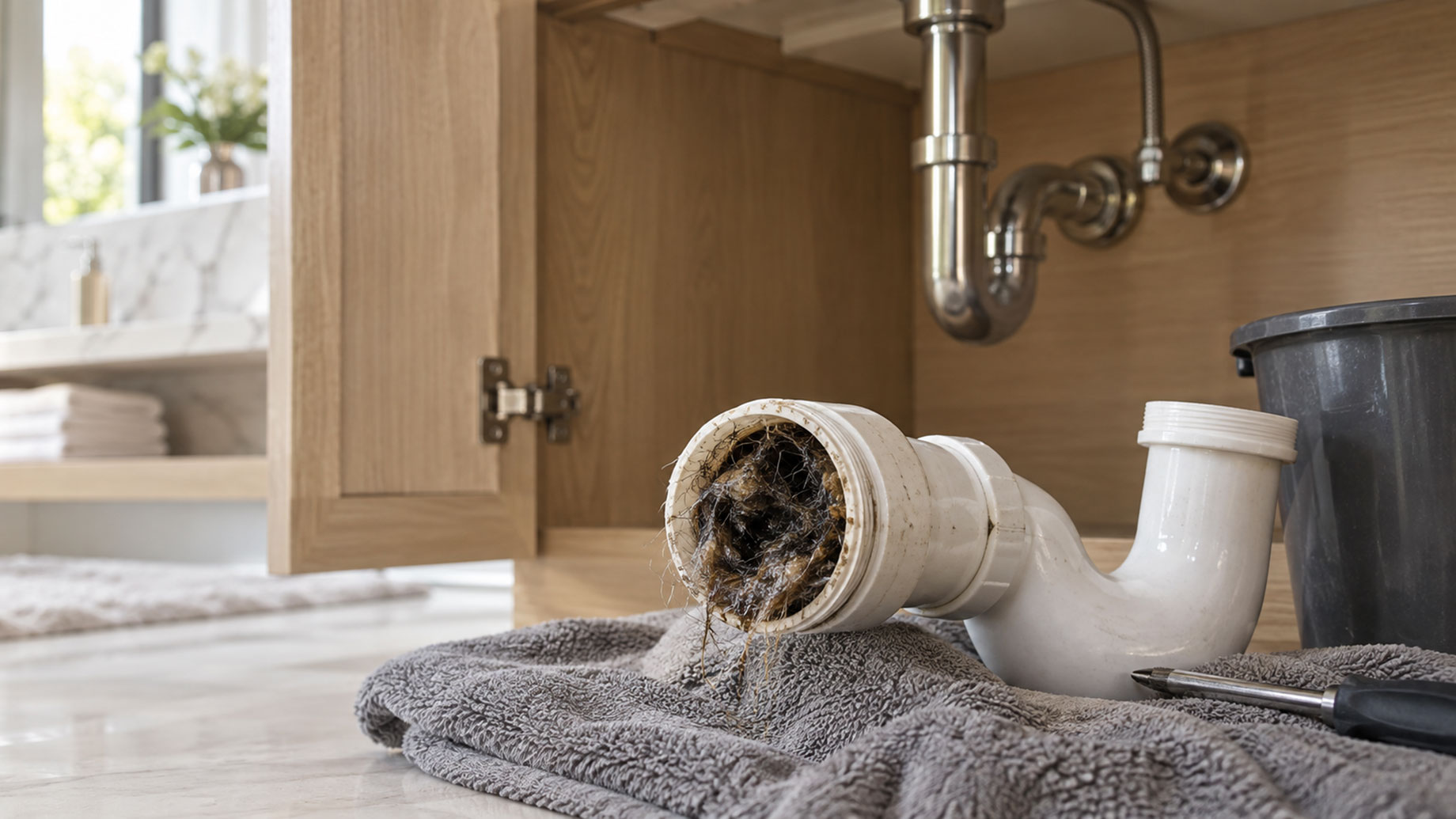
A slow drain is easy to put off, especially in a busy San Antonio home. Yet water that takes longer to leave a sink, shower, or tub often signals buildup inside the pipe. For recurring issues, drain cleaning in San Antonio can be a useful next step. Beyer Plumbing Co. serves San Antonio, New Braunfels, Boerne, and nearby South Texas communities, and its drain-cleaning service explains how plumbing professionals locate and remove obstructions that may be too deep or stubborn for basic household methods.
A one-time clog can happen when hair, food scraps, or excess paper collect near a drain opening. A clog that returns shortly after clearing is different. It may mean residue remains farther down the line, or the plumbing system has a condition that a quick fix cannot address.
Common Reasons Household Drains Keep Clogging
Hair and Soap Buildup
Bathroom drains commonly collect hair, soap residue, skin oils, and personal-care products. Hair can catch on the stopper or pipe walls, creating a net that holds other material in place. Shower, tub, and sink strainers are simple tools for keeping much of that debris out of the plumbing.
Grease, Oil, and Food Waste
Grease may look harmless while it is warm, but it can coat the interior of a kitchen drain as it cools. Coffee grounds, rice, pasta, eggshells, fibrous vegetable scraps, and large amounts of food waste can also contribute to blockages. The HGIC identifies fats, oils, grease, wipes, and other household products as materials that can create sewer blockages, so they belong in the trash rather than the drain whenever possible.
Mineral Deposits and Hard Water
Minerals in water can leave scale on fixtures and inside plumbing over time. That buildup can gradually reduce the open space in a pipe, making normal debris more likely to catch. If several fixtures begin draining poorly over time, a professional evaluation can help determine whether the issue is localized or more widespread.
Tree Roots and Underground Pipe Problems
Mature trees are part of the appeal of many South Texas neighborhoods, but roots can enter underground sewer lines through openings, cracks, or loose joints. Corrosion, shifted connections, low spots, and damaged pipe sections can also allow waste to collect. These situations generally require diagnosis, not repeated plunging.
Warning Signs a Clog May Be Getting Worse
- Water drains more slowly from week to week.
- A sink, tub, or toilet gurgles or bubbles.
- More than one fixture drains slowly or backs up.
- Water rises in a tub or shower when a toilet is flushed.
- A drain produces a strong sewage odor.
- The same fixture clogs again soon after it is cleared.
- Water appears around a floor drain, cleanout, cabinet, or wall.
Safe First Steps for a Minor Clog
- Remove visible hair, food particles, or debris from the drain opening.
- Use a plunger with enough water to cover the rubber cup.
- Try a hand auger only when it is appropriate for the fixture and pipe.
- Run warm water after the flow begins to improve.
- Stop if water backs up into another fixture or the problem does not improve.
Use caution with chemical drain openers. They may not remove the entire obstruction, and leftover chemicals can create hazards when someone later opens the pipe. Households with septic systems should be particularly careful, as the EPA advises avoiding chemical drain openers and keeping cooking oil and grease out of the drain to protect the system.
What Not to Do When a Drain Backs Up
- Do not mix drain-cleaning products or chemicals.
- Do not pour grease into a sink and assume hot water will carry it away.
- Do not flush wipes, paper towels, dental floss, or hygiene products.
- Do not keep forcing water into a drain that is already backing up.
- Do not use excessive force on older or fragile plumbing.
- Do not ignore a recurring clog just because water starts moving again.
When Professional Drain Cleaning Makes Sense
Professional help is appropriate when a clog returns, affects multiple fixtures, or appears to sit deep in the line. Depending on the issue, a plumber may use a mechanical auger, a drain camera, or high-pressure water cleaning. A camera inspection can be especially helpful when roots, corrosion, cracks, or a sagging section of pipe may be causing repeat backups.
How to Prevent Repeat Drain Clogs
- Install strainers in the kitchen, shower, and bathroom sink drains.
- Collect cooled cooking grease in a sealed container and dispose of it in the trash.
- Flush only human waste and toilet paper.
- Clean drain screens weekly and remove hair before it reaches the pipe.
- Scrape plates into the trash before washing dishes.
- Use the garbage disposal carefully and avoid fibrous or starchy scraps.
- Address slow drainage before it becomes a full backup.
Bathroom and Kitchen Drain Maintenance Checklists
Bathroom Drains
- Clean the shower drain cover regularly.
- Check for standing water after showers.
- Remove hair from brushes and combs before rinsing them.
- Use a plunger early if water begins pooling.
Kitchen Drains
- Use a sink strainer to catch food particles.
- Keep coffee grounds, oils, grease, rice, and pasta out of the drain.
- Follow the garbage disposal manufacturer’s instructions.
- Watch for slow drainage after large meals or holiday cooking.
When a Clogged Drain Becomes an Emergency
Stop using nearby fixtures and contact a qualified plumber if several drains back up at once, wastewater enters a tub or floor drain, sewage odors fill the home, or water damages floors, cabinets, or walls. Keep people and pets away from contaminated water. A toilet overflow that cannot be stopped also needs prompt attention.
Frequently Asked Questions
Why does the same drain keep clogging?
Common causes include remaining buildup, disposal habits, mineral scale, roots, pipe damage, or an obstruction deeper in the plumbing system.
Are chemical drain cleaners safe for older pipes?
Repeated use can create pipe-care and safety concerns, particularly when chemicals remain in a drain that is still blocked.
Can hot water prevent drain clogs?
Warm water may help rinse away light residue, but it cannot fix heavy grease buildup, roots, damaged pipes, or a main-line blockage.
How often should drains be professionally cleaned?
There is no single schedule for every home. Older plumbing, mature trees, prior backups, and recurring clogs are all reasons to consider inspection.
Fix the Pattern, Not Just the Backup
Good drain habits can prevent many common clogs, but repeated backups deserve closer attention. Acting when drainage first slows can reduce disruption and help prevent a small blockage from becoming a larger plumbing problem.
