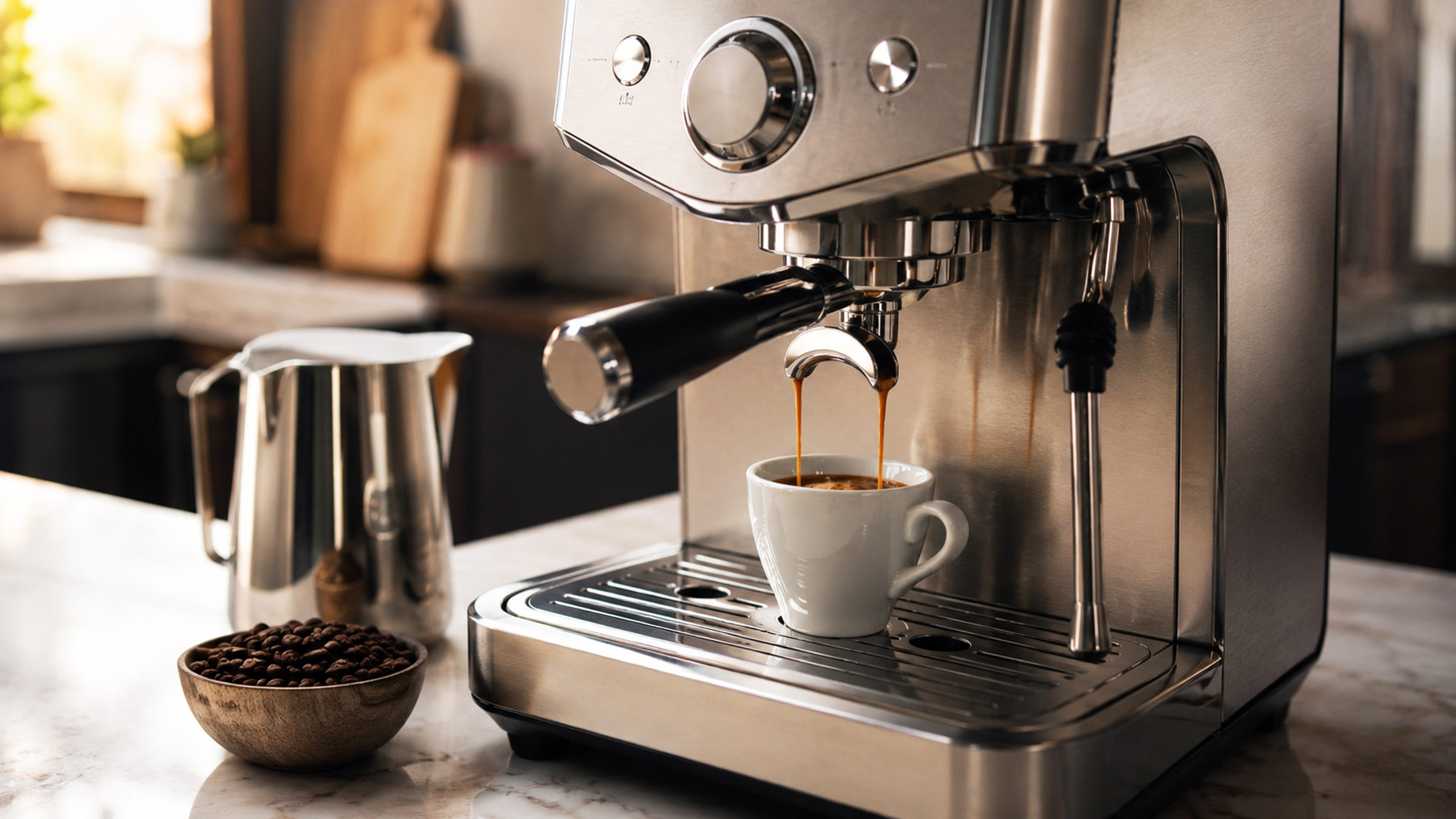
Italian espresso equipment occupies a particular place in coffee culture, and it has for generations. Home baristas who care about extraction quality tend to choose machines built in Italy, though not simply out of nostalgia or brand prestige. These devices reflect something deeper: a design philosophy centered on thermal accuracy, lasting materials, and reliable pressure delivery. For anyone chasing café-level shots at home, that engineering backbone shapes every pull and every steamed pitcher. It builds a kind of trust that budget alternatives rarely manage to earn.
A Legacy Built on Precision Engineering
Italy’s role in espresso technology stretches back more than a hundred years. The earliest patents for steam-driven brewing systems came from Italian inventors, and that head start created a deep reservoir of applied knowledge. Manufacturers there have spent generations refining boiler architecture, group head geometry, and pump mechanics. Each version addressed real shortcomings in performance rather than chasing cosmetic trends. Dedicated home baristas pick up on this accumulated refinement. They place their confidence in hardware shaped by decades of iterative problem-solving, not in mass-produced units where cost reduction drove every choice.
For those exploring dependable Italian-built options, a curated selection of Rancilio espresso machines shows how focused engineering translates into consistent daily results. Heavy brass group heads and commercial-grade internals come scaled for a home countertop. That combination of professional DNA in a residential form factor is precisely what committed brewers look for.
Thermal Stability Sets the Standard
Temperature consistency during extraction ranks among the most critical variables in espresso preparation. A shift of even two degrees can tip a shot from balanced sweetness into harsh bitterness or unpleasant sourness. Italian-engineered machines often solve this problem with dense metal group heads that absorb and hold heat effectively. Brass and stainless steel act as thermal reservoirs, smoothing out temperature swings between back-to-back shots.
Why Mass Counts at the Group Head
A heavier group head stores greater thermal energy. That stored energy prevents cold pockets from forming the moment pressurized water meets the coffee bed. Lightweight aluminum alternatives shed heat fast, forcing users into long warm-up flushes before each session. Dense materials cut that dependency considerably, giving the barista steadier results without constant guesswork.
Build Quality That Rewards Long-Term Ownership
Durability is a quiet but effective loyalty driver. Enthusiasts who spend years sharpening their technique need hardware that keeps up with their growth. Italian-built machines regularly feature stainless steel housings, brass internal fittings, and commercial-rated pump assemblies. These materials stand up to corrosion, tolerate daily thermal cycling, and hold tight tolerances across thousands of hours of use.
Replacement parts also tend to stay available for years after a model leaves production. Manufacturers with established service networks continue supporting older units long past their official run. That repairability turns an espresso machine from a disposable countertop appliance into a lasting kitchen fixture, one worth maintaining rather than replacing.
User Control Fuels the Connection
Serious home baristas prize control over every extraction variable. Grind size, dose weight, tamp pressure, brew temperature; each one shifts the character of the final cup. Italian machines frequently offer accessible adjustments for pre-infusion duration, steam output, and boiler temperature. This openness invites experimentation instead of hiding decisions behind automated presets.
The Satisfaction of Manual Craft
Operating a semi-automatic machine creates a tactile ritual that matters to enthusiasts. Locking a portafilter into place, watching espresso flow as a steady amber stream, texturing milk by sound and feel; these physical interactions strengthen the bond between barista and equipment. Automated capsule systems strip that engagement away entirely, which helps explain why so few enthusiasts return to push-button brewing once they have tasted manual control.
Community and Shared Knowledge Reinforce Loyalty
A strong user community deepens brand attachment in ways marketing cannot replicate. Online forums, social media groups, and local meetups connect owners of similar hardware. Members trade modification guides, maintenance timelines, and recipe techniques built around their specific machines. This collective knowledge base makes ownership more satisfying with each passing month.
Newcomers entering these communities gain access to years of accumulated troubleshooting wisdom. That peer support lowers the learning curve and encourages people to stay with their equipment rather than cycling through frequent upgrades.
Conclusion
Italian-engineered espresso machines earn lasting loyalty through a blend of thermal precision, material integrity, hands-on control, and vibrant community support. Serious home baristas stick with equipment that respects their skill progression and rewards daily practice. Heritage on its own does not sustain that kind of devotion; verified performance through repeated use does. For anyone genuinely committed to mastering espresso at home, choosing a machine grounded in generations of proven engineering remains one of the soundest investments available.
