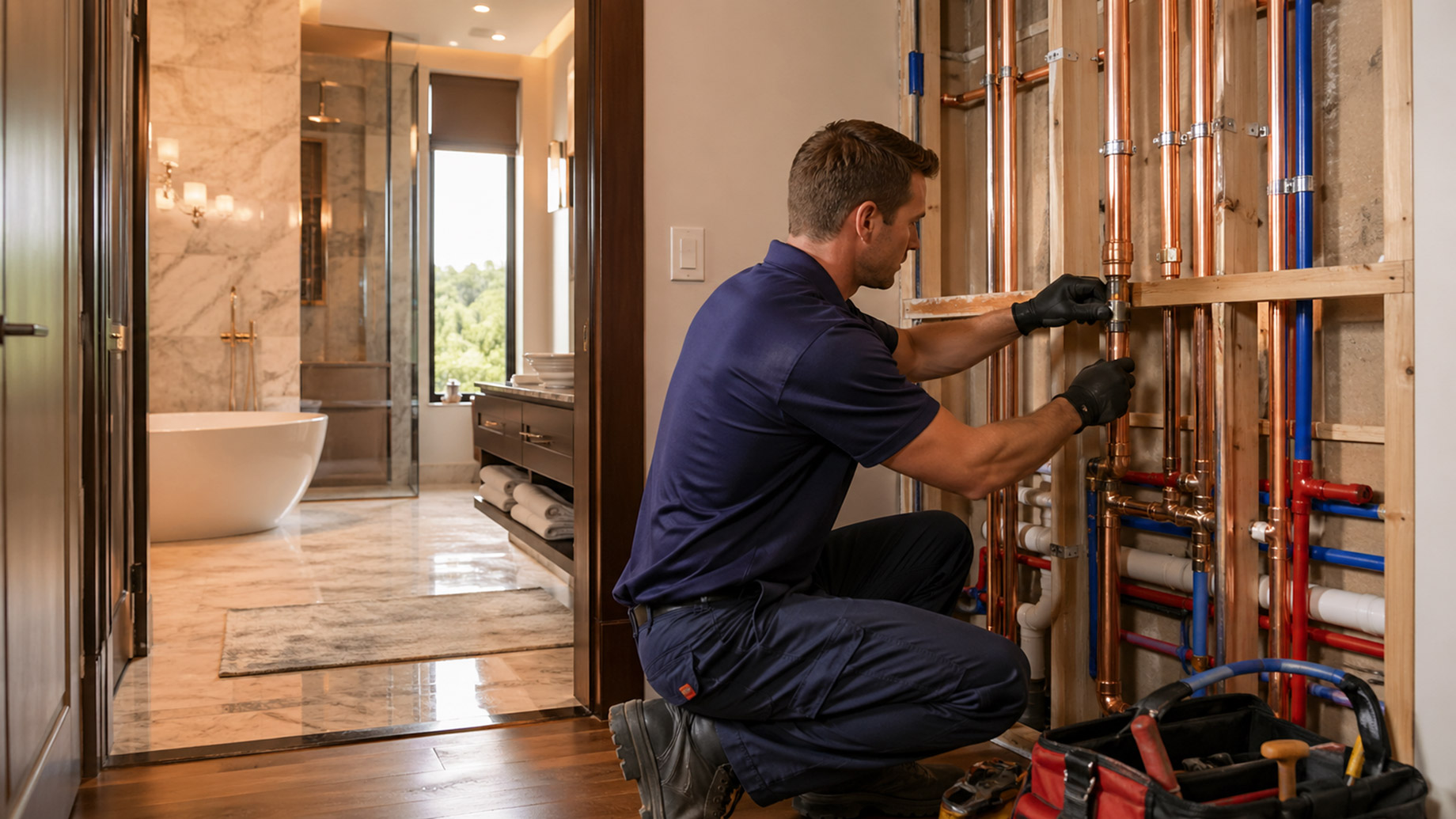
Plumbing is one of the most important systems in any home, yet it is often overlooked until something goes wrong. While minor leaks or clogged drains can usually be fixed quickly, there are times when patchwork repairs are no longer enough. That is when homeowners should start thinking seriously about whole house repiping. This process involves replacing all or most of the water supply pipes in your home, and while it is a significant investment, it can solve long term issues and protect your property from costly damage. Understanding when to consider whole house repiping can help you make a proactive decision instead of reacting to repeated plumbing failures.
Signs Your Pipes Are Aging
One of the most common reasons homeowners pursue whole house repiping is simply the age of their plumbing system. Different pipe materials have different lifespans. For example, galvanized steel pipes typically last 20 to 50 years, while copper pipes can last longer but are still vulnerable to wear over time. If your home was built several decades ago and still has its original piping, there is a good chance those pipes are nearing the end of their useful life. Aging pipes are more prone to corrosion, leaks, and reduced water quality. Even if you are not seeing major issues yet, the risk increases every year. Replacing old pipes before they fail can save you from sudden water damage and emergency repairs.
Frequent Leaks and Repairs
If you find yourself calling a plumber regularly to fix leaks, it may be time to step back and look at the bigger picture. Occasional plumbing repairs are normal, but frequent leaks often signal a systemic problem. When multiple sections of your plumbing begin to fail, it usually means the entire system is deteriorating. Continuing to repair individual leaks can become expensive and inefficient. Whole house repiping addresses the root cause rather than treating symptoms. It eliminates weak points throughout your system and provides a fresh start with new, reliable piping.
Discolored or Rusty Water
Water quality is another major indicator that your pipes may need replacing. If you notice brown, yellow, or reddish water coming from your taps, it could be a sign of corrosion inside your pipes. Rust and sediment can build up over time, especially in older metal pipes, and this can affect both the appearance and safety of your water. While flushing the system might offer temporary improvement, it does not fix the underlying issue. Whole house repiping ensures clean water flows through new pipes that are free from corrosion and buildup. This is particularly important for households concerned about health and water purity.
Low Water Pressure Throughout the Home
Low water pressure can be frustrating, especially when it affects multiple fixtures at once. While localized pressure issues might be caused by a single clog or valve problem, widespread low pressure often points to pipe deterioration or buildup inside the pipes. Mineral deposits and corrosion can narrow the interior of pipes, restricting water flow. Over time, this problem worsens and can make everyday tasks like showering or washing dishes inconvenient. Whole house repiping restores proper water pressure by replacing old, restricted pipes with new ones that allow water to flow freely.
Unusual Noises in the Plumbing System
Strange sounds coming from your pipes should not be ignored. Banging, rattling, or whistling noises can indicate problems such as loose pipes, pressure imbalances, or internal damage. While some noise issues can be fixed with minor adjustments, persistent or worsening sounds may suggest deeper structural problems within the plumbing system. Whole house repiping can eliminate these issues by installing modern piping that is properly secured and designed to handle current water demands.
Visible Corrosion or Damage
Sometimes the signs are right in front of you. If you can see exposed pipes in your basement, crawl space, or utility areas, take a close look. Visible corrosion, flaking, discoloration, or small leaks are all warning signs that your pipes are deteriorating. Even if the damage appears minor, it often indicates that the rest of the system is in a similar condition. Addressing these visible issues early with whole house repiping can prevent more serious problems, such as burst pipes or major water damage.
Planning a Major Renovation
If you are already planning a home renovation, it is an ideal time to consider whole house repiping. Remodeling projects often involve opening walls, floors, or ceilings, which provides easier access to your plumbing system. Combining repiping with renovation work can save time and labor costs compared to doing it separately later. It also ensures that your updated home has a plumbing system that matches its improved design and functionality. This is especially important if you are upgrading kitchens or bathrooms, as modern fixtures often require reliable water pressure and consistent performance.
Increasing Home Value and Appeal
Whole house repiping is not just about fixing problems. It can also be a strategic investment in your property. Homes with updated plumbing systems are more attractive to potential buyers because they reduce the likelihood of future repairs. If you are considering selling your home, repiping can be a strong selling point that sets your property apart. Buyers are often willing to pay more for a home with modern infrastructure, knowing they will not have to deal with aging pipes anytime soon.
Addressing Hidden Leaks and Water Damage
Not all plumbing problems are immediately visible. Hidden leaks behind walls or under floors can cause significant damage before they are discovered. Signs such as unexplained increases in your water bill, damp spots, mold growth, or musty odors may indicate hidden leaks. These issues can compromise the structural integrity of your home and create health risks. Whole house repiping eliminates the source of hidden leaks by replacing old pipes that are prone to failure. It also provides peace of mind knowing your plumbing system is secure.
Choosing the Right Time for Repiping
Deciding when to move forward with whole house repiping depends on a combination of factors. If your home is older, experiencing frequent plumbing issues, or showing signs of deterioration, it is wise to act sooner rather than later. Waiting too long can lead to more extensive damage and higher repair costs. On the other hand, if your plumbing system is relatively new and functioning well, regular maintenance and inspections may be sufficient for now. Consulting with a professional plumber can help you assess the condition of your pipes and determine the best course of action.
What to Expect During the Process
Understanding the repiping process can make the decision less intimidating. Whole house repiping typically involves removing old pipes and installing new ones made from materials such as copper or PEX. The process may take several days, depending on the size of your home. While it can be disruptive, experienced plumbers work to minimize inconvenience by planning the project carefully and restoring access to water as quickly as possible. The result is a modern plumbing system that delivers reliable performance for years to come.
Final Thoughts
Whole house repiping may seem like a major undertaking, but it is often the most effective solution for persistent plumbing issues. By recognizing the warning signs and taking action at the right time, you can protect your home, improve water quality, and avoid costly repairs. Whether you are dealing with aging pipes, frequent leaks, or planning a renovation, whole house repiping offers a long term solution that brings both comfort and peace of mind.
