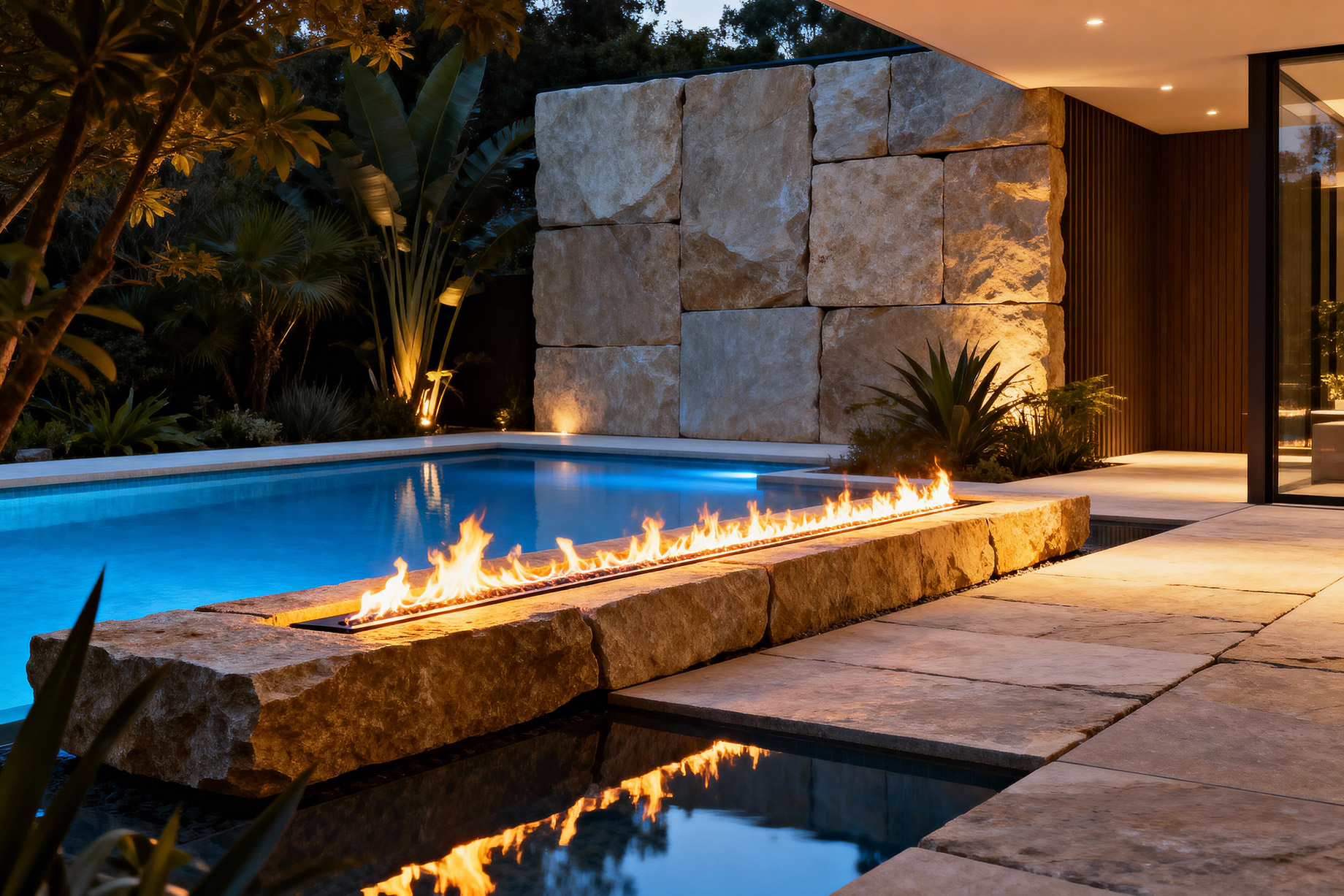
The fastest way to spot a backyard that feels “done” is how people move through it. Paths feel obvious, seating feels placed on purpose, and nothing looks like it landed there by accident. You can usually tell the space was planned around real use, not a single photo moment.
A remodel starts to click when you treat the yard like another room, with zones, clear routes, and realistic upkeep. In a city like Chicago, that planning also has to respect drainage, freeze thaw wear, and tight property lines. If you want a good example of early stage planning that pairs layouts with buildable details, landscape design by Luxterra is a useful reference point.
Plan How People Move And Gather
Before you pick a single material or piece of furniture, think about how the yard actually gets used on a regular weekend. Where do guests naturally walk in? Where does someone set down a drink? Where do kids or pets cut through without thinking twice? When those paths get ignored in the planning stage, you end up with flattened garden beds and spots that always feel slightly in the way.
A simple trick is to stand at your back door and pick three “views” you want to like. One might be the dining zone, another could be a water feature, and the third might be a planting bed. When those views are framed with lighting and structure, the yard feels calm and intentional.
Outdoor cooking also changes the whole layout, because it pulls people toward heat, smoke, and prep space. It helps to plan for counter landing zones, trash, and a clear line to the indoor kitchen. If you are weighing that feature set, an outdoor kitchen overview like creative solutions for outdoor living gives a solid sense of what tends to work.
Choose Materials That Handle Chicago Weather
Chicago backyards take a beating from winter, spring storms, and temperature swings. That makes surface choices feel less like style, and more like risk control over ten years. The goal is a patio and paths that stay level, drain well, and do not turn slick.
Start by matching materials to the job they need to do. A main patio often benefits from pavers or stone that can be reset if settling happens. Steps and edges need crisp lines, because those are the first places people notice wear.
If you want a quick way to sanity check your “hard versus soft” ratio, write it down in percentages. Too much hard surface can feel hot and echoey, and too little can feel messy after rain. A balanced plan usually mixes structure with planting pockets and shade.
Here are a few material questions worth answering early, before you fall in love with a finish:
- Will this surface drain away from the house, even during heavy storms?
- Can the base be repaired without ripping everything out later?
- Will salt and ice melt products stain it in winter?
- Does it stay comfortable to walk on in summer heat?
Budget For Drainage, Power, And Permits
The best remodels hide a lot of work under the surface. Drainage lines, base prep, and electrical runs rarely show in photos, but they decide whether the yard lasts. If you skip them, you often pay for it twice.
Drainage is the big one, especially when yards slope toward the home or neighboring lots. A proper plan can include grading, permeable areas, and drainage systems that move water away fast. That keeps patios from heaving and helps planted areas avoid root rot.
Power is the other “invisible” line item that changes what is possible. Lighting, speakers, a fridge, or a pizza oven all need safe circuits and smart placement. If you are adding electrical or building structures, it is also worth reviewing local rules through the City of Chicago building permits page, so you are not guessing later.
A clean budget plan usually separates the build into two categories. One is the must do work that protects the property, like drainage and proper base depth. The other is the upgrade list, like a hot tub, a bar wall, or higher end fixtures.
Design For Easy Care And Upkeep
A luxury yard still has to live in the real world, with leaves, mud, and busy weeks. The easiest way to keep it looking sharp is to design for low friction upkeep. That can mean wider joints that resist weeds, fewer tight corners, and storage that is not a trek.
Lighting is a good example, because it adds polish while also improving day to day use. You can build layers with path lights, step lights, and a few focused accents on trees or stone. When lighting is planned early, wiring stays hidden and the yard looks finished at night.
Surface choices also affect cleaning time more than most people expect. Lighter stone can show soot near grills, while textured pavers can trap debris in joints. A quick walk through your routines helps you pick finishes that match your tolerance.
Fire features need a maintenance and safety mindset too, not just a pretty bowl on a patio. Clearances, fuel type, and ventilation all matter, especially near structures or trees. The NFPA fire pit safety guidance is a solid reference for safe spacing and use, and it is worth a read before you commit.
Pull It All Together For A Finished Feel
A good remodel usually is not about squeezing in every feature you have ever bookmarked. It is more about nailing the basics and making a few smart calls as you go. Start with how people actually move through the space, choose materials that make sense for your climate, and budget for the behind the scenes work you will depend on later. Then tie it together with lighting that feels natural and finishes you will not dread cleaning. Get that part right, and the yard stays comfortable, looks great, and holds up without becoming another weekly chore.
