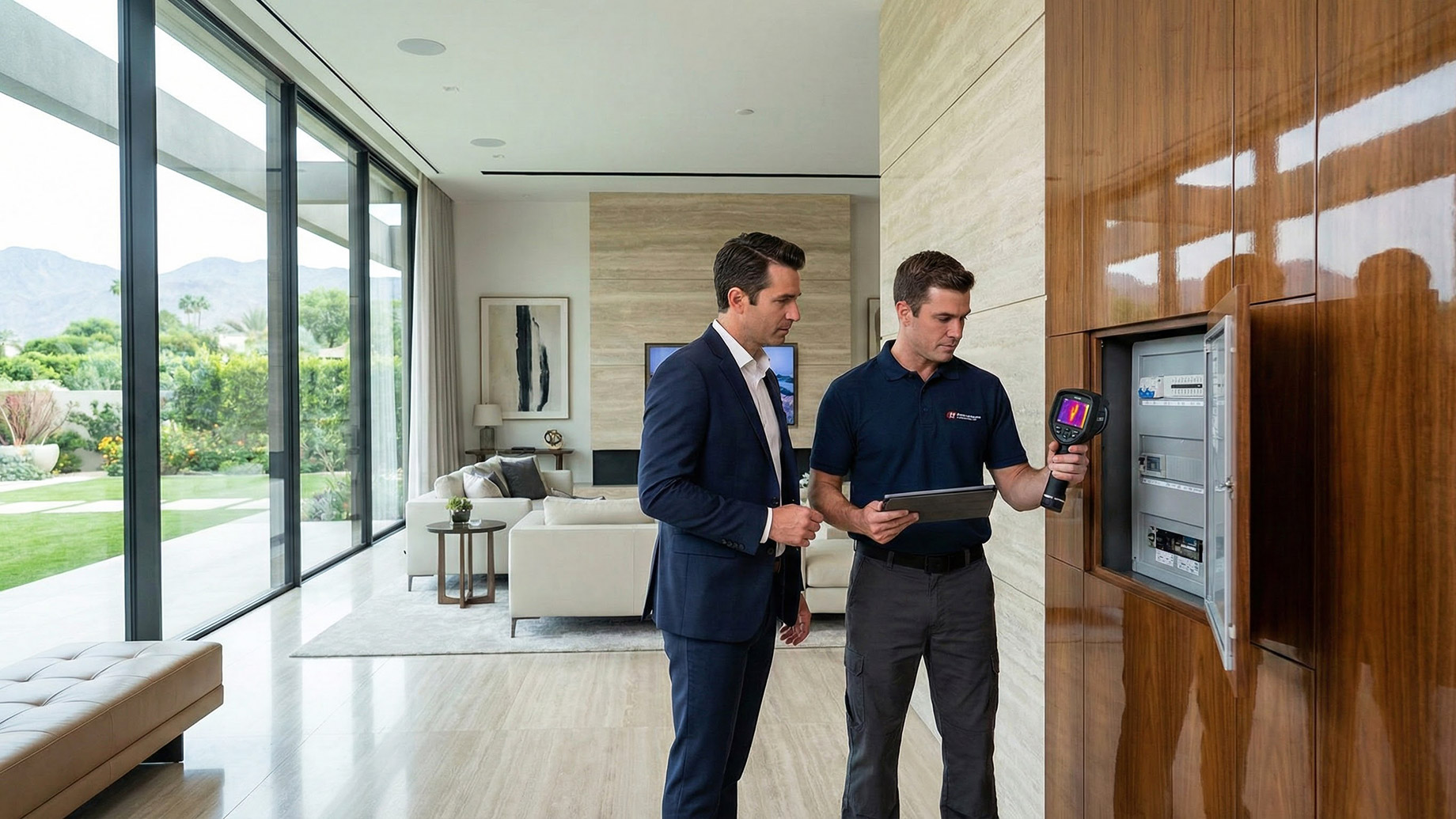
Luxury homes are often defined by what can be seen. Architectural design, refined interiors, premium materials, and carefully selected finishes shape first impressions and reflect personal taste. These elements are important, but they represent only one layer of long term property value. For homeowners who view their residence as a lasting investment rather than a temporary statement, true care begins beyond aesthetics.
High value properties are complex environments. They combine structural engineering, environmental systems, natural materials, and customized design features that require a deeper level of attention than standard homes. While aesthetics capture attention, it is the ongoing protection of the home’s internal condition that determines how well it endures over time.
Understanding the Difference Between Appearance and Preservation
A home can look flawless while quietly developing issues beneath the surface. Paint, flooring, and furnishings are relatively easy to update, but the systems and materials that support them are not. Long term property care focuses on preventing deterioration in these hidden areas before visible damage appears.
Luxury homes often include expansive layouts, custom woodwork, integrated technology, and specialized construction methods. These features increase comfort and exclusivity, but they also increase vulnerability if maintenance is reactive rather than preventive. Preservation is not about constant renovation. It is about ensuring that every component of the home continues to function as intended.
Structural Integrity Is the Backbone of Long Term Value
The structural framework of a home carries more importance than any decorative feature. Framing, insulation, ventilation, and moisture management all influence how a property ages. When these systems are compromised, even the most impressive design elements suffer.
In premium residences, natural materials are frequently used for their beauty and character. Wood, stone, and organic finishes respond to changes in humidity and temperature. Without consistent oversight, these materials can warp, crack, or weaken internally long before damage becomes visible. Long term property care includes routine inspections that focus on environmental balance rather than cosmetic perfection.
Environmental Factors That Quietly Affect Luxury Homes
Luxury homes are often larger and more architecturally complex, which increases exposure to environmental risks. Moisture intrusion, air circulation issues, and temperature imbalance can develop slowly and remain unnoticed for years. Over time, these conditions create opportunities for deterioration that affect both structure and indoor comfort.
One frequently underestimated factor in this equation is pest activity. In large homes with multiple access points, concealed spaces, and landscaped surroundings, pests can establish themselves without immediate detection. Their presence is rarely obvious at first, yet the damage they cause can be extensive.
This is where informed pest control services become part of responsible long term care rather than a reaction to a visible problem. In high value homes, the objective is prevention and early detection, not emergency intervention.
Why Professional Oversight Matters in High End Properties
Luxury homeowners often work with specialists when it comes to design, construction, and property management. Maintenance deserves the same level of expertise. Professional pest control is not simply about eliminating insects or rodents. It is about understanding how these risks interact with the materials and systems within a premium home.
Professionals trained to operate in high end environments know how to inspect discreetly and treat effectively without disrupting finishes, air quality, or daily life. Their role supports the broader goal of protecting the home’s integrity while maintaining privacy and comfort.
This approach aligns with how luxury properties are managed as long term assets. Instead of responding to problems after they appear, professional oversight focuses on reducing the likelihood of damage occurring in the first place.
Long Term Property Care Requires a Strategic Mindset
One of the defining characteristics of luxury ownership is intentional decision making. Long term care is not seasonal maintenance or a checklist completed once a year. It is an ongoing strategy built around observation, documentation, and timely intervention.
Homes that retain their value over decades are not necessarily those that undergo frequent redesign. They are homes where small issues are identified early and addressed before they affect larger systems. This mindset reduces unexpected expenses and preserves the property’s overall condition.
In this context, professional pest control becomes one component of a wider preservation strategy. When combined with regular inspections and environmental monitoring, it contributes to a stable living environment and protects the materials that define the home’s character.
Protecting Indoor Comfort and Living Experience
Luxury is not only visual. It is experiential. Quiet spaces, balanced air quality, and confidence in the home’s condition all influence how it feels to live there. Long term property care supports this experience by minimizing disruptions and maintaining consistency.
When hidden issues are allowed to develop, they often surface at inconvenient times and require intrusive solutions. Preventive care avoids this cycle. By addressing risks early, homeowners protect both their investment and their daily quality of life.
The Role of Preventive Maintenance in Market Value
From a real estate perspective, well maintained properties hold their value more effectively. Buyers in the luxury market look beyond appearance. They evaluate condition, documentation, and evidence of responsible ownership. Homes that demonstrate consistent long term care inspire confidence and command stronger market positions.
Pest related damage is one of the issues that can quietly undermine a property’s perceived quality during inspection. Addressing these risks through professional pest control helps preserve the home’s reputation as much as its structure.
Preservation Is the True Measure of Luxury
Ultimately, luxury is not defined by constant upgrades or dramatic changes. It is defined by longevity, stability, and thoughtful stewardship. A home that ages gracefully reflects care that extends beyond what guests can see.
By focusing on long term property care beyond aesthetics, luxury homeowners protect the craftsmanship, materials, and systems that make their homes exceptional. The result is a living environment that remains refined, comfortable, and valuable well into the future.
True luxury is not only admired. It is maintained with intention.
