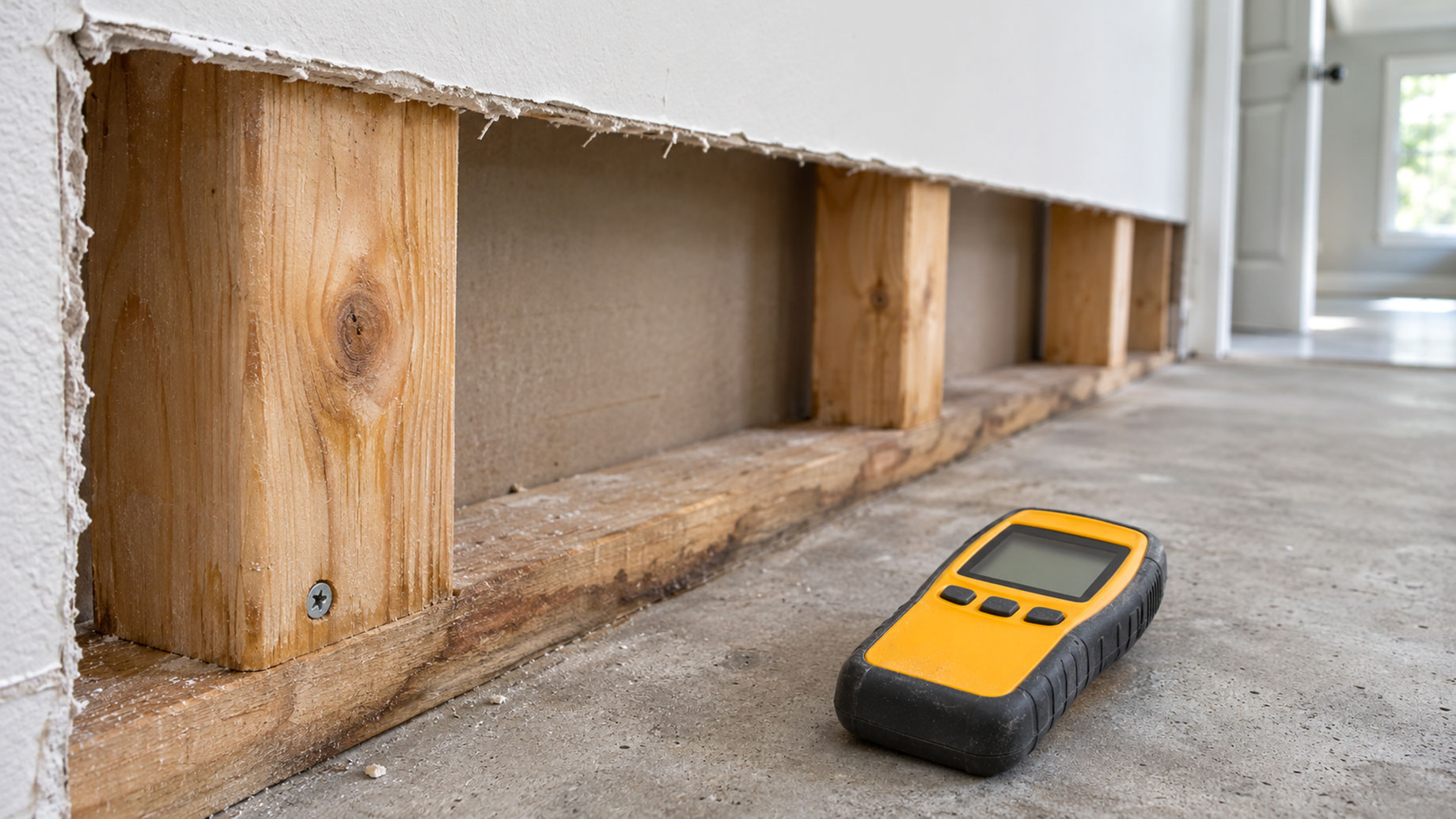
A repaired room can look finished while the work underneath is still unresolved. New flooring hides the slab. Paint covers the wall. Once those finishes are in place, checking what happened behind them becomes harder and more expensive.
For a Houston homeowner planning repairs after a leak or flood, the useful question isn’t which paint to choose. It’s what evidence the contractor will provide before covering the damaged area. Ask for that handoff while the drying work is underway, rather than when the installer arrives.
Start with the cause, not the stain
Ask what allowed water into the room and what has been done to stop it. A ceiling repair and a plumbing repair are different jobs. The person replacing damaged drywall may not be the person responsible for the leaking pipe above it.
Get the explanation in writing. It should name the suspected or confirmed source, the repair performed, and any work still needed. If the cause hasn’t been confirmed, ask who will investigate it before the room is closed up. Don’t let a fresh finish stand in for an answer.
EPA guidance connects successful mold cleanup with resolving the moisture problem. Cleaning a surface without addressing the source can leave the conditions for mold to return.
Ask what the drying record actually covers
A statement that the room feels dry doesn’t tell you which materials were checked. Ask the drying contractor to identify the locations measured, the materials involved, and how the readings informed the decision to stop drying. Request a copy of the record for your repair file.
The process described by Houston Water Damage Pros places moisture readings between drying and repairs. That distinction gives homeowners a useful question to ask any crew. What supports moving from one stage to the next?
You don’t need to interpret a meter yourself. Ask the contractor to explain the readings and the criteria used for the material being repaired. A number without a location or explanation won’t tell the next contractor much. Nor should one reading be presented as proof that every concealed area has been checked.
Separate what can stay from what must go
Before agreeing to replacement costs, ask for a room by room account of the materials being retained and removed. Have the contractor explain each decision. Save photographs where taking them is safe, but leave opening walls and disturbing suspect materials to people qualified for that work.
EPA advises that porous materials with mold, including carpet and ceiling tiles, may need disposal because the growth can be difficult to remove. It also warns against covering mold with paint or caulk. A cosmetic repair isn’t a substitute for cleanup.
If sewage or other contaminated water was involved, use a professional experienced in that kind of damage. Suspected mold hidden behind finishes also calls for experienced help. This isn’t a reason to pull back wallpaper yourself to see what’s underneath. If you’re worried about your health, ask a medical professional for advice before cleanup begins.
Make the repair estimate follow the unfinished work
Ask for drying, removal and rebuilding to be described separately in the estimate. That makes it easier to see whether a flooring quote includes removal, preparation and replacement, or just the new floor. Ask who is responsible when one contractor leaves and another starts.
Keep unresolved items visible. If a cabinet base still needs inspection, put it in the handoff rather than leaving it as a conversation someone may forget. Ask whether any approvals are needed for the planned repairs and who will obtain them. Don’t assume a cosmetic description settles that question.
Before agreeing to a start date for finishes, gather the source repair record, drying notes, removal decisions and written repair scope in one folder. Have the next contractor read them. If the plan still depends on an unanswered question about moisture or damaged material, settle that question before it gets covered.
