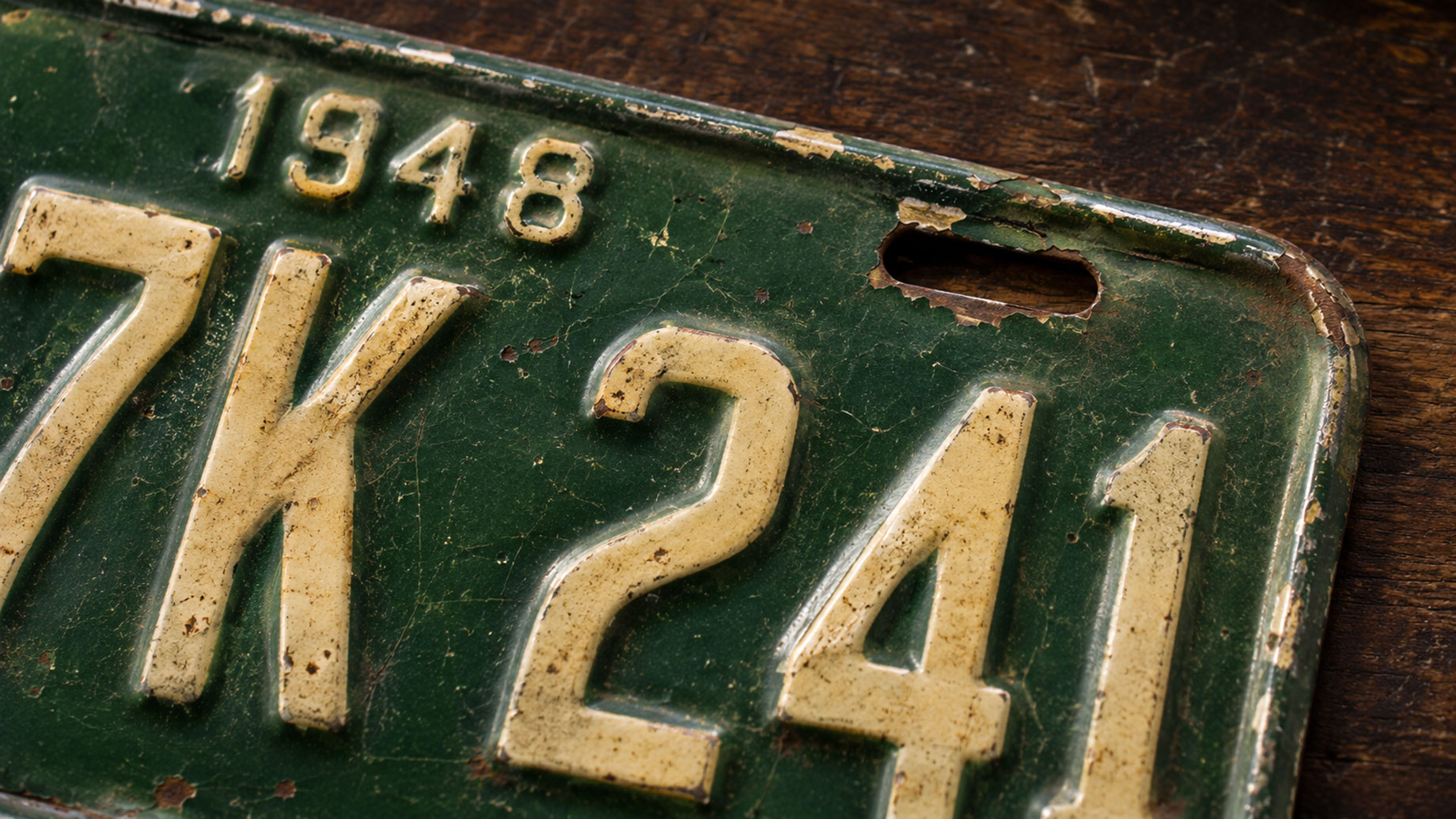
Collecting automotive memorabilia is a hobby that combines history, design, and personal interest. Among the many items enthusiasts enjoy collecting, old registration plates stand out because each one reflects a particular place, period, or style. When searching for vintage license plates, collectors often consider more than appearance. Factors such as age, originality, condition, rarity, and historical significance can all influence whether a particular plate deserves a place in a collection.
Whether someone is starting their first collection or expanding an existing one, understanding these details can make the selection process more rewarding.
1. Age and Historical Significance
One of the first things collectors examine is the age of a license plate. Older examples can offer a glimpse into the transportation history, manufacturing methods, and registration systems of earlier generations.
Plates from the early and mid-20th century are particularly interesting to enthusiasts because their designs often differ considerably from modern registration plates.
Collectors may also look for plates connected to significant historical periods, regional changes, or discontinued registration formats. These details can give an otherwise ordinary-looking item additional appeal.
2. Originality and Authenticity
Authenticity is an important consideration in any collectible market. Original plates generally attract more interest than modern reproductions designed to look old.
Collectors often examine manufacturing details, lettering styles, materials, mounting holes, and signs of natural aging to determine whether a plate is genuine.
They may also ask sellers about the item’s background, previous ownership, and available documentation. Clear photographs and accurate descriptions can make it easier to evaluate a potential purchase.
Reproductions can still work well as decorative pieces, but buyers should understand the difference before adding an item to a collection.
3. Overall Condition and Preservation
Condition can influence both the appearance and collectible appeal of a license plate. Some collectors prefer well-preserved examples with readable lettering and minimal damage, while others appreciate weathered pieces that show their age.
Common details worth checking include:
- Rust, corrosion, and surface deterioration.
- Faded or peeling original paint.
- Bent edges or damaged corners.
- Readability of numbers and lettering.
- Evidence of repairs or repainting.
Natural wear is not necessarily a disadvantage. In many cases, it contributes to the character of an older collectible. However, excessive damage may affect its long-term condition and display value.
4. Rarity and Limited Availability
Rarity is another factor that attracts collectors. Certain plates were manufactured in limited quantities, issued for specific periods, or associated with smaller registration regions.
Unusual colors, discontinued designs, special numbering formats, and limited production runs can make particular examples more desirable.
However, rarity alone does not guarantee value. Collectors also consider demand, authenticity, condition, and historical interest before deciding how much a plate is worth.
5. Unique Designs, Colors, and Typography
Visual appeal plays a major role in collecting. Older license plates often feature distinctive typography, color combinations, embossed lettering, and manufacturing styles that are rarely seen today.
Some enthusiasts prefer bold colors and unusual number arrangements, while others focus on minimalist designs or plates from particular decades.
A visually interesting plate can also become an attractive decorative feature in a garage, home office, workshop, or dedicated memorabilia room.
6. Price and Seller Reliability
Before purchasing a collectible, experienced buyers usually compare prices across multiple sources. This helps them understand typical market ranges and avoid paying too much for an item.
Seller reputation is equally important. Buyers should look for accurate descriptions, detailed photographs, clear return policies, and honest information about authenticity and condition.
When possible, comparing similar plates with documented sales can provide a more realistic understanding of market value.
Final Thoughts
Choosing a collectible license plate involves balancing personal taste with practical considerations. Age, originality, condition, rarity, design, and seller credibility all contribute to the decision.
For new collectors, starting with a particular state, decade, or design style can make the hobby easier to navigate. More experienced enthusiasts may prefer unusual or historically significant examples.
Ultimately, the most rewarding collections are built through careful research and genuine appreciation for the history behind each piece.