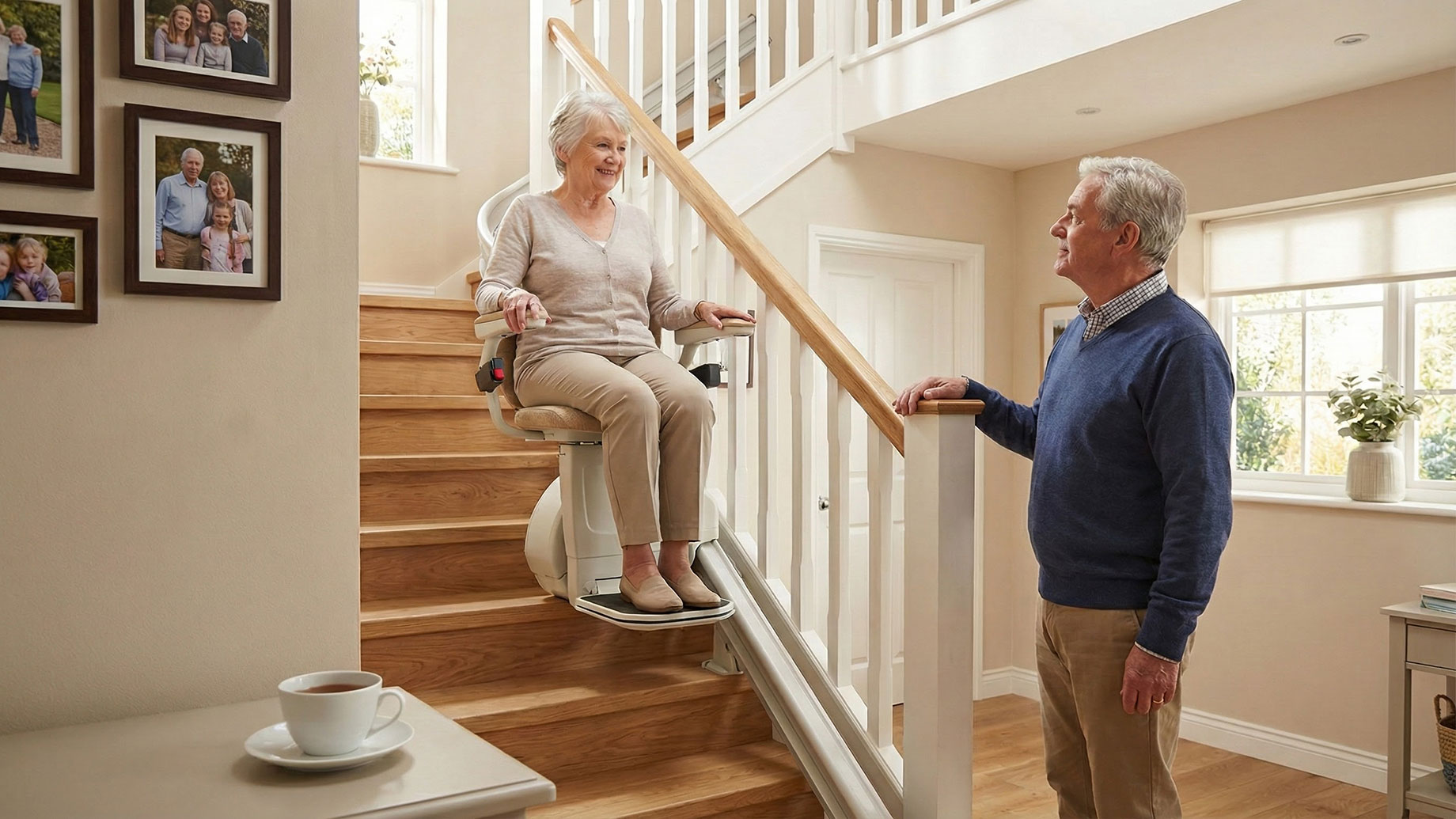
Mobility inside the home often becomes more challenging as people age or recover from injury. Stairs that once felt manageable can slowly turn into daily obstacles that increase fatigue and risk. Finding ways to move between floors safely is an important step in maintaining comfort, independence, and confidence at home.
Homeowners frequently explore mobility solutions after noticing changes in balance, joint strength, or endurance. Conversations about accessibility usually focus on practical upgrades that do not require major renovations. Stairlift Virginia often works with families who want to stay in their homes while adapting them to changing physical needs.
A stair lift is one of the most direct ways to address stair safety, and understanding how different systems work helps homeowners make informed decisions. Among the options available, the bruno stair lift is often discussed because of its design approach, reliability, and adaptability to many types of staircases.
Why stair lifts improve safety
Stairs are one of the most common places for falls in residential homes. Each step requires lifting the body, maintaining balance, and coordinating movement, which can become difficult over time. A stair lift removes those demands by allowing the user to remain seated while traveling between levels.
Reducing fall risk is not the only benefit. Stair lifts also lessen strain on knees, hips, and lower backs. By conserving energy, users can focus on daily activities like cooking, bathing, or spending time with family instead of worrying about navigating the stairs.
How stair lifts function
A stair lift operates on a rail that is secured directly to the stair treads. This means installation usually does not involve structural changes to walls. The chair moves along the rail using a motor and gear system that controls speed and ensures smooth movement.
Most modern stair lifts are battery powered and recharge automatically when parked at designated points. This design allows continued operation during power outages, which is especially important for users who rely on the lift as their primary way between floors.
Core system components
Every stair lift includes a rail, a carriage housing the motor, and a seat assembly. The seat typically has armrests, a footrest, and a safety belt. Call and send controls mounted on the wall allow the chair to be moved without someone sitting in it.
Straight and curved staircases
The shape of the staircase determines the type of rail required. Straight staircases use a single straight rail, making them simpler and generally more affordable. Curved staircases require a custom rail designed to follow turns, landings, and changes in angle.
Custom curved systems take longer to manufacture and install, but they allow stair lifts to fit complex layouts while maintaining safe clearances. Choosing the correct rail style ensures smooth operation and comfortable seating positions throughout the ride.
Comfort focused features
Comfort plays a major role in how often a stair lift is used. Padded seating, supportive armrests, and adjustable seat heights can make daily use more pleasant. Swivel seats are especially helpful at the top landing, where users can exit the chair safely without twisting.
Footrests that fold up reduce obstruction on the stairs when the lift is not in use. Some models also include powered swivels and folding mechanisms, which benefit users with limited hand strength or dexterity.
Safety systems built in
Beyond the seat belt, stair lifts include multiple safety features. Obstruction sensors stop the lift if an object is detected on the stairs. Speed governors prevent the chair from moving too quickly, even if the load changes.
Locking swivel seats and footrest sensors ensure the lift will not move unless everything is properly positioned. These layered systems work together to protect the user and others in the household.
Indoor and outdoor applications
While many people associate stair lifts with indoor staircases, outdoor models serve an important role as well. Outdoor stair lifts use weather resistant materials, sealed components, and protective covers to handle rain, humidity, and temperature changes.
They are commonly installed on porch steps, garage entries, or garden stairways. For homes with multiple access points, outdoor stair lifts can improve overall accessibility without altering existing structures.
Evaluating the bruno stair lift
When researching stair lift brands, homeowners often compare build quality, warranty coverage, and design flexibility. The bruno stair lift is known for its range of models that address both straight and curved staircases while maintaining a compact footprint.
Its designs emphasize smooth travel, consistent speed, and intuitive controls. These qualities can be especially valuable for users who want a lift that feels predictable and easy to operate every day. Stairlift Virginia frequently explains how these design elements affect long term comfort and reliability.
Installation considerations
Accurate measurements are essential before installation. Stair width, number of steps, and landing space at both ends all affect how the lift will be configured. Doorways near the staircase and hallway clearance must also be considered.
Installation is typically completed in a single visit. Technicians secure the rail to the steps, test the lift’s movement, and confirm that all safety features function correctly. Users are then shown how to operate the lift confidently.
Maintenance and long term care
Routine maintenance for a stair lift is minimal. Keeping the rail area clear and wiping surfaces as recommended helps ensure smooth operation. Batteries usually need replacement every few years, depending on usage.
If the lift stops unexpectedly, common causes include a seat not locked in position or a safety sensor being triggered. Persistent issues should be handled by trained service technicians to avoid damage or safety risks.
Cost and value perspective
The cost of a stair lift depends on staircase design, features, and customization. Straight models are typically less expensive, while curved systems cost more due to custom fabrication. Financing options and service plans can help manage expenses.
Beyond cost, value comes from improved safety and independence. A well chosen stair lift allows users to remain in their homes longer, reducing the need for major renovations or relocation. For many families, that peace of mind outweighs the initial investment.
A thoughtfully selected stair lift can transform how a home functions, supporting safety and independence every day, and Stairlift Virginia continues to guide homeowners through evaluating solutions like the bruno stair lift to ensure the right fit for each unique household.
