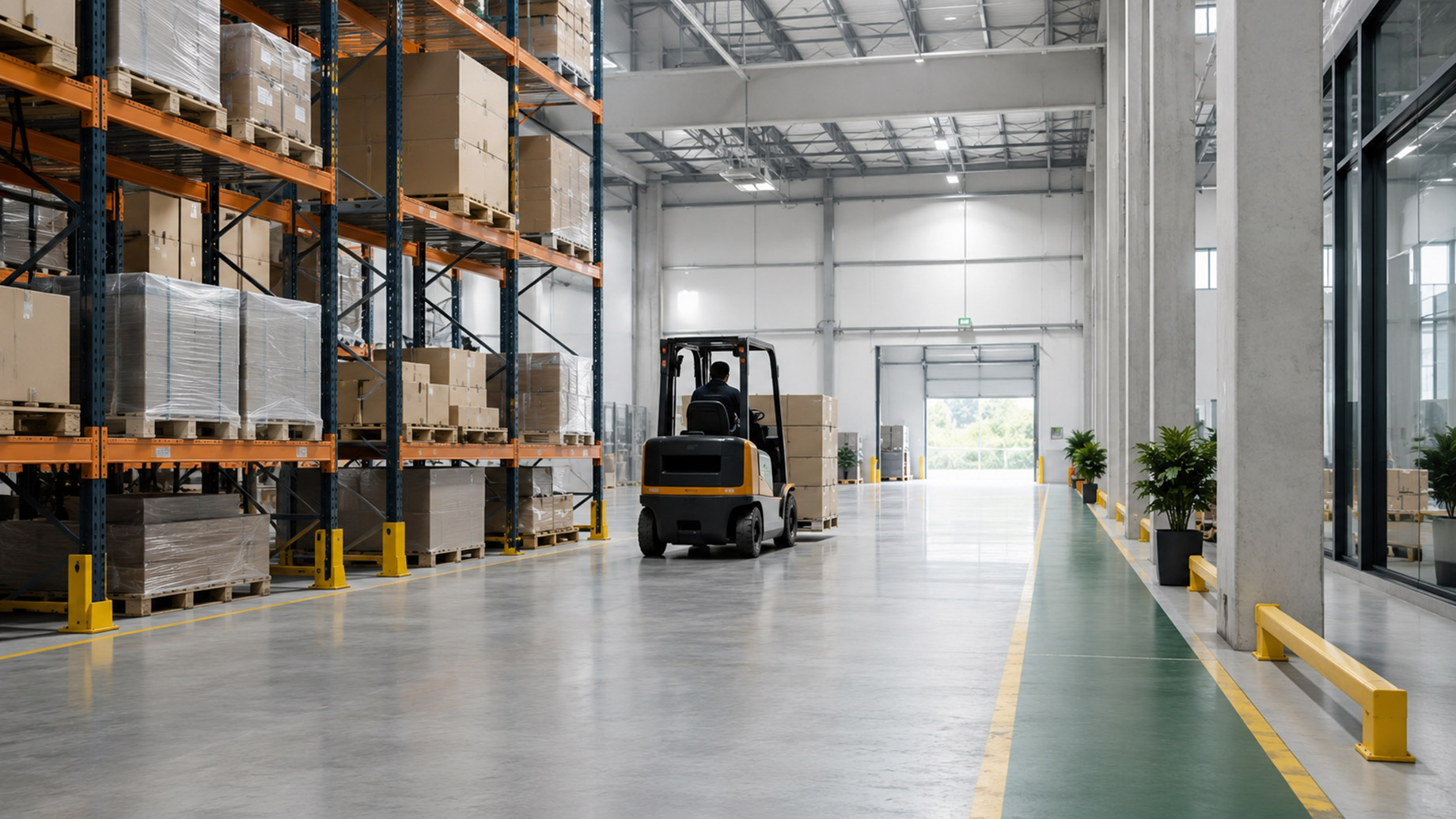
Running a smooth commercial facility needs an organized floor plan. Poorly arranged inventory creates bottlenecks that slow down your daily operations. When items are difficult to find or move, team members waste time wandering through crowded aisles.
Designing a space with clean traffic flow improves daily warehouse productivity and cuts down on unexpected workplace accidents. Simple adjustments to your current setup can transform how your business handles incoming stock and outgoing shipments every single day.
Mapping Out Your Floor Plan Traffic Lanes
Clear pathways form the foundation of any efficient commercial layout. Main aisles must remain wide enough for heavy machinery to pass each other with no delays. Forklifts and pallet jacks need extra room to turn safely near corner areas.
Smaller cross-aisles help workers take shortcuts instead of walking around the entire building. Separating pedestrian walkways from motorized vehicle routes reduces workplace hazards significantly. Keeping traffic moving in predictable patterns prevents gridlock during busy morning receiving hours.
Designated loading zones keep inbound goods separate from outbound shipments. This separation reduces confusion on the dock floor when multiple trucks arrive at once. Clear boundaries help dock workers sort packages accurately. Well-organized shipping docks prevent mixed shipments and lost stock.
Maximizing Vertical Clearance Safely
Warehouses run out of floor space long before they run out of air space. Investing in high-quality pallet racking and storage solutions helps operations grow upward. Vertical space transforms a crowded room into an efficient setup.
Heavy items belong on lower tiers to keep the structure stable. Lighter packages can sit on higher levels where they remain secure until needed. Regular safety inspections prevent shelf overloading and protect your crew from falling objects.
Clearance near ceiling sprinklers must meet local fire codes perfectly. Blocking these safety systems creates severe legal liabilities and structural risks. Proper height planning maximizes space and keeps the facility secure. Vertical expansion guarantees you utilize every inch of your building.
Choosing The Right Layout Configurations
Choosing a layout represents a financial decision for expanding operations. Global spending on facility design layouts will jump to $10.4 billion by 2035. Layouts must balance storage density with rapid accessibility to keep order fulfillment speeds fast. Managers should map out product paths before anchoring equipment to the concrete floor.
Using flow diagrams helps teams visualize potential congestion areas before construction begins. Adjusting rack angles can open up tight spaces near the main doors. Proper planning creates a smooth path from receiving to shipping.
Grouping Inventory By Demand Velocity
Staging items based on how fast they sell minimizes unnecessary movement. On-demand products should live near the shipping docks to shorten travel times. Slow-moving stock can sit in remote corners since workers rarely need to access those pallets. Categorizing inventory into distinct velocity groups streamlines picking routines.
- High-velocity items sit near packing stations
- Medium-demand goods occupy the middle tiers
- Low-turnover products remain in deep storage areas
Using inventory data helps managers reassign product locations as seasonal buying patterns shift. Keeping high-demand items accessible reduces worker fatigue throughout long shifts. Regular updates maintain optimal floor efficiency all year long.
Balancing Storage Density And Accessibility
High-density options pack more items into tighter footprints but can limit immediate product access. Selective designs let drivers grab any pallet instantly without moving other stock first. Deep storage systems need deep rows where older stock might get blocked by new arrivals.
An industrial analysis noted that global investments in heavy industrial shelving are hitting $8,043 million as companies upgrade older hubs. Businesses are trying to pack more items into existing footprints. Finding the sweet spot between density and accessibility requires analyzing daily order profiles.
High-volume operations benefit from quick-access setups that minimize retrieval times. Smaller operations might prioritize maximum density to avoid leasing extra square footage. Tailoring the rack style to your picking method prevents operational bottlenecks.
Implementing Clear Labeling Systems
Visible signage keeps your team moving in the right direction. Aisle markers should be large enough to read from across the room. Every shelf location must have a specific code matching your digital tracking system. Color-coded labels help workers identify product zones from a distance.
- Floor tape marks forklift paths
- Rack labels show weight limits
- Aisle signs guide new workers
Clear markings prevent inventory placement mistakes and reduce searching time. Well-labeled shelves keep operations organized during high-volume periods.
Digital barcodes scan faster when labels remain clean and unblocked. Replacing damaged signs immediately prevents scanning errors on the floor. Consistent labeling formats make onboarding new warehouse staff much easier.
Utilizing Advanced Optimization Models
Using scientific math models can reveal hidden design flaws in a commercial facility. Optimization algorithms can slash total travel distances by up to 32% inside a facility. These systems maintain a high storage utilization rate of up to 85% simultaneously.
Data-driven setups remove physical bottlenecks before they cause major shipping delays. Computers can simulate traffic patterns to find the best layout. Testing arrangements virtually save businesses from making physical mistakes during installation. Software tools analyze picking paths to find the shortest routes.
Standardizing Equipment Clearance Paths
Machinery needs specific operating tolerances to function safely. Different trucks have unique turning radii that dictate aisle spacing. Narrow aisles save space but demand specialized equipment like reach trucks.
Operators must measure their tallest vehicles before installing overhead structures. Leaving adequate clearance around light fixtures and sprinkler heads prevents costly facility damage.
Collisions drop when drivers have ample room to maneuver without hitting shelves.
Installing rack protectors protects steel frames from accidental forklift impacts. Secure barriers protect your valuable physical infrastructure from daily wear and tear. Implementing these standard guardrails blocks unwanted impact.
Creating Dedicated Staging Areas
Inbound shipments need space for inspection before moving to final shelf locations. Packing areas need separate tables so workers can prep outgoing orders efficiently. Overcrowding these zones creates errors during inventory check-in routines.
Keeping staging areas clean guarantees that products move rapidly through processing steps. Disorganized shipping docks delay truck departures and frustrate drivers. Dedicated zones keep the workflow moving forward.
Separating trash disposal bins from packing tables keeps walkways clear of debris. Empty pallets should have a designated storage dock away from active lanes. Neat workspaces improve worker safety and speed up daily fulfillment goals. Proper organization prevents clutter from building up.
Small modifications to your current setup can deliver impressive gains in speed and safety. Create predictable paths for both your crew and your products. A well-planned floor layout keeps your commercial business moving forward efficiently every single day. Regular adjustments prevent small inefficiencies from turning into expensive roadblocks.
