Home maintenance costs often creep up slowly over time. A leaky faucet here, an appliance repair there—it’s easy to treat these expenses as unavoidable parts of homeownership. However, one frequently overlooked factor can significantly increase long-term maintenance costs: hard water. While hard water is common in many areas, its effects on plumbing, appliances, and household systems can quietly add up to thousands of dollars in avoidable expenses.
Understanding how hard water impacts your home can help homeowners make smarter decisions that protect both property value and long-term budgets.
What is Hard Water?
Hard water contains elevated levels of dissolved minerals, primarily calcium and magnesium. These minerals enter water supplies naturally as water travels through soil and rock before reaching municipal treatment facilities. While hard water is safe for everyday use, it can be harsh on household systems over time.
The minerals in hard water don’t simply disappear once water enters a home. Instead, they settle and accumulate as scale inside pipes, appliances, and fixtures, gradually reducing efficiency and increasing wear on critical systems.
How Hard Water Drives Up Plumbing Costs
One of the most significant long-term expenses associated with hard water is damage to plumbing systems. As mineral deposits build up along pipe interiors, the effective diameter of the pipes narrows. This restriction forces water to move under higher pressure, placing added stress on joints, fittings, and connections.
Over time, this strain can result in leaks, pinhole corrosion, and premature pipe failure. Homeowners may find themselves facing repeated plumbing repairs, partial pipe replacements, or even water damage remediation—costs that often exceed routine maintenance budgets.
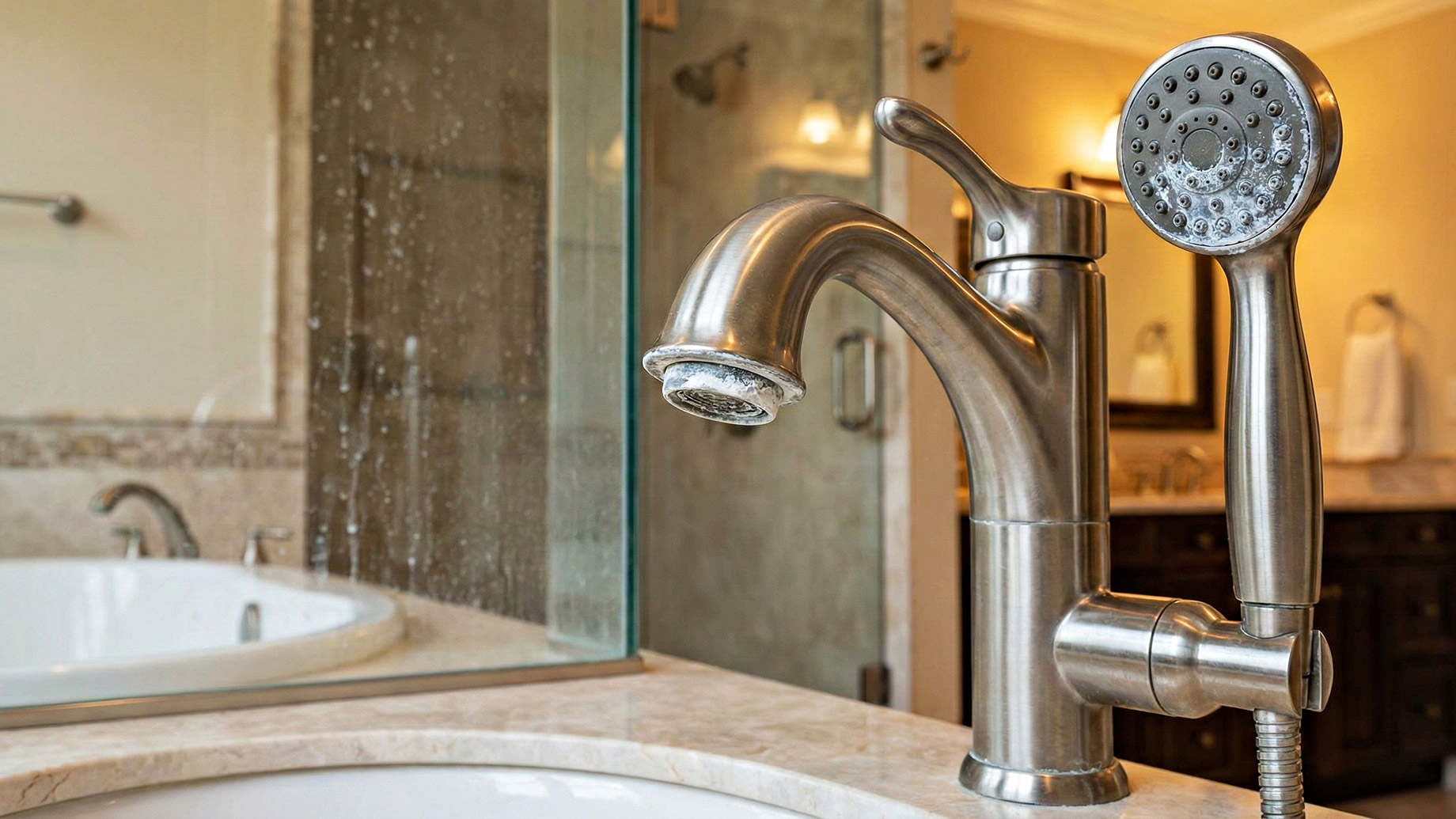
Fixtures are also affected. Faucets and showerheads frequently become clogged with mineral buildup, leading to inconsistent water flow, reduced pressure, and frequent replacement of components that would otherwise last much longer.
Appliance Wear and Energy Inefficiency
Household appliances that rely on water are especially vulnerable to the effects of hard water. Water heaters, dishwashers, washing machines, and refrigerators with ice makers all experience reduced performance when mineral deposits accumulate internally.
Water heaters are particularly impacted. Scale buildup on heating elements acts as insulation, making it harder for the system to heat water efficiently. As a result, energy usage increases while the lifespan of the appliance decreases. Many homeowners are surprised to learn that hard water can shorten a water heater’s life by several years.
Dishwashers and washing machines also suffer. Mineral deposits can clog valves, spray arms, and internal components, leading to poor cleaning results, increased detergent usage, and more frequent service calls. Over time, repeated repairs often lead to early appliance replacement.
The Hidden Cost of Cleaning and Product Use
Beyond plumbing and appliances, hard water also increases everyday household expenses. Mineral residue left behind on dishes, glassware, sinks, and fixtures requires additional cleaning time and specialized products. Homeowners often compensate by using more soap, detergent, and cleaning agents to achieve acceptable results.
These added costs may seem minor on a weekly basis, but over years of homeownership, the cumulative expense of extra cleaning supplies, descaling treatments, and professional cleanings can become substantial.
Signs Hard Water Is Increasing Your Maintenance Costs
Many homeowners live with hard water for years without realizing its financial impact. Common warning signs include:
- Frequent plumbing repairs
- Reduced appliance efficiency
- White or chalky residue on fixtures
- Rising energy bills
- Stiff laundry or cloudy glassware
When several of these issues are present, mineral buildup is often the underlying cause.
Reducing Long-Term Costs With Water Treatment
One of the most effective ways to control long-term maintenance costs associated with hard water is whole-home water treatment. Treating water before it enters the plumbing system helps prevent scale buildup, improves appliance efficiency, and extends the lifespan of pipes and fixtures.
Working with a local water softener company in Indianapolis allows homeowners to select systems specifically designed for local water conditions. Properly matched water treatment solutions help reduce ongoing maintenance, protect household investments, and improve daily water use throughout the home.
Hard Water Solutions as a Smart Financial Decision
Although water treatment systems require an upfront investment, the long-term financial benefits are often significant. Reduced repair frequency, extended appliance lifespans, lower energy consumption, and decreased cleaning expenses all contribute to measurable savings over time.
For homeowners focused on protecting their investment and minimizing unexpected repair costs, addressing hard water is not simply a comfort upgrade—it’s a strategic financial decision that supports long-term home performance.
Final Thoughts
Hard water may be invisible, but its impact on home maintenance costs is very real. From plumbing strain and appliance inefficiency to increased cleaning expenses, untreated hard water quietly erodes household budgets year after year.
By recognizing the long-term effects of hard water and taking proactive steps to manage it, homeowners can protect their homes, control maintenance costs, and enjoy greater peace of mind for years to come.
