For homeowners in Dallas, keeping pests outside can feel like a never-ending challenge. Long, hot summers, occasional heavy rainfall, and relatively mild winters create conditions where insects and rodents can remain active throughout much of the year. Even a well-maintained home can attract unwanted visitors when moisture, food, and shelter are readily available.
What makes pest problems particularly frustrating is that infestations often begin in places homeowners rarely inspect. A small foundation crack, dripping outdoor faucet, or forgotten cardboard box can create an opportunity for pests to settle in unnoticed. Fortunately, prevention doesn’t require transforming your entire property. Understanding how pests move through a home allows you to make targeted improvements that reduce their access to food, water, and hiding places.
Investigate the Entry Points You Rarely Notice
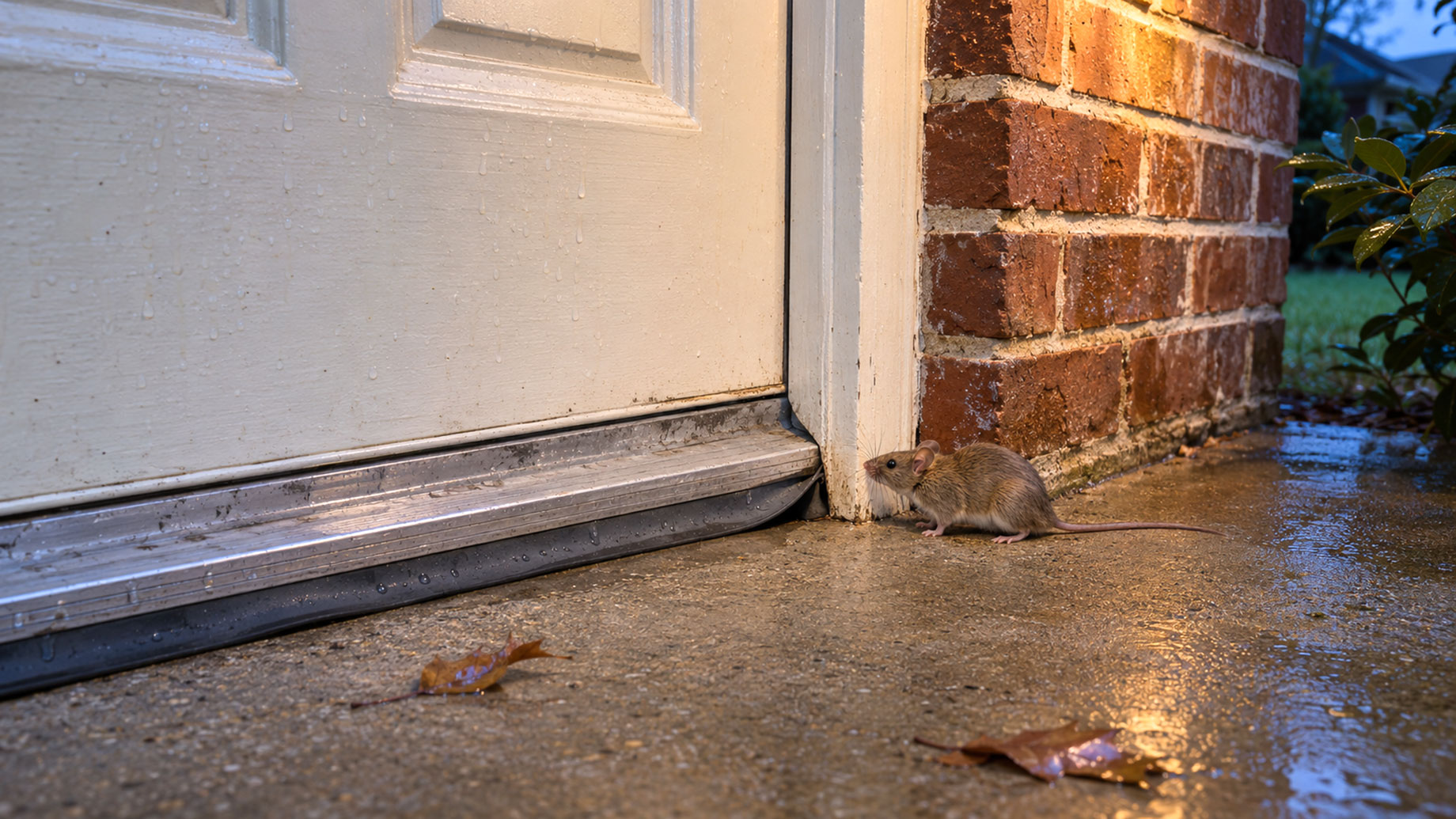
Most homeowners concentrate on visible pests without considering how they entered the property. Small openings around plumbing lines, damaged weatherstripping, loose vents, and foundation gaps can provide access for insects and rodents. When recurring activity suggests a larger problem, consulting a local provider such as Hawx pest control in Dallas can help homeowners identify vulnerable areas and determine whether targeted treatment is necessary.
Begin your own inspection around doors, windows, utility penetrations, and exterior walls. Look for damaged seals, missing screens, and openings around pipes. Use appropriate materials to close gaps, but avoid blocking necessary ventilation or drainage openings. Remember that rodents can squeeze through surprisingly small spaces. Preventing entry is often more effective than repeatedly dealing with pests after they have established themselves indoors.
Stop Turning Your Kitchen Into a Nighttime Buffet
A kitchen can appear spotless while still providing enough food to support unwanted insects. Crumbs beneath appliances, grease around cooking surfaces, and improperly sealed pantry items are common attractions. Cockroaches and ants can exploit small amounts of food that homeowners barely notice.
Wipe counters after preparing meals and clean beneath frequently used appliances. Store cereals, flour, pet food, and other dry ingredients in tightly sealed containers. Avoid leaving dirty dishes overnight, particularly when pest activity has already been observed.
Take household garbage outside regularly and keep trash containers covered. Pet feeding areas deserve attention because leftover kibble can attract insects and rodents. Consistent cleaning reduces available food sources and makes the kitchen less inviting to pests.
Fix the Moisture Problems Hiding in Plain Sight
Water is one of the most overlooked factors in household pest activity. Leaking faucets, damp cabinets, clogged gutters, and poorly draining soil can create conditions that attract insects. Cockroaches often seek moisture, while termites can benefit from damp environments near wooden structures.
Inspect areas beneath sinks, around toilets, and near washing machines for signs of leaks. Repair plumbing problems promptly and dry affected materials thoroughly. Outside, direct downspouts away from the foundation and prevent water from collecting beside exterior walls. Check whether landscaping or irrigation systems regularly soak the same areas.
Proper ventilation can also reduce excessive indoor humidity. Eliminating moisture doesn’t guarantee a pest-free home, but it removes an important resource that many species need to survive.
Rethink the Storage Spaces Nobody Wants to Clean
Attics, garages, closets, and storage rooms often provide ideal hiding places because they remain undisturbed for long periods. Cardboard boxes, piles of clothing, and unused furniture create sheltered areas where pests can establish themselves. Rodents may also use stored materials for nesting.
Replace deteriorating cardboard containers with sturdy, sealed storage bins when practical. Keep belongings organized and leave enough space to inspect walls and corners. Avoid stacking materials directly against vulnerable exterior openings.
Periodically examine stored fabrics, paper products, and seasonal decorations for damage or droppings. Wear appropriate protection when cleaning areas with suspected rodent contamination, and avoid sweeping or vacuuming droppings dry. A more organized storage area makes early pest activity easier to recognize and address.
Pay Attention to What Your Yard Is Encouraging
Pest prevention begins outside the home, where landscaping choices can influence insect and rodent activity. Overgrown shrubs, fallen leaves, and wood piles provide shelter close to exterior walls. Branches touching the roof may also create convenient pathways for climbing animals.
Trim vegetation to maintain separation from the house and remove unnecessary debris. Store firewood away from the foundation and inspect it before bringing logs indoors. Empty standing water from buckets, flowerpot saucers, and other outdoor containers. These small water sources can support mosquito breeding.
Keep outdoor garbage securely covered and clean up fallen fruit or spilled birdseed. A tidy yard doesn’t eliminate wildlife or insects, but it can reduce the conditions that encourage them to gather near your home.
Recognize the Warning Signs Before Damage Spreads
Pest infestations don’t always announce themselves through obvious sightings. Sometimes the first evidence is a scratching noise behind a wall, damaged food packaging, or small droppings inside a cabinet. Termites may leave mud tubes, damaged wood, or discarded wings near windows and doors. Cockroach activity can appear as dark specks around appliances or inside concealed spaces.
Inspect suspicious areas carefully without disturbing potentially hazardous materials. Photographs can help document changes and support accurate identification. Avoid assuming that one insect automatically indicates a serious infestation. However, repeated sightings, structural damage, or evidence of rodents warrant closer investigation. Early identification can reduce the likelihood of a minor problem becoming expensive and difficult to resolve.
Avoid Pest Control Shortcuts That Create Bigger Problems
When pests appear unexpectedly, reaching for the strongest available spray may seem like the quickest solution. However, applying pesticides without identifying the pest can waste money and create unnecessary exposure risks. Different species require different management approaches. For example, some ant infestations respond better to properly selected baits than indiscriminate spraying. Rodent problems require attention to entry points, not simply traps.
Never mix pest control chemicals or apply products in ways that contradict their labels. Keep pesticides away from children, pets, and food preparation surfaces. For extensive infestations, structural pests, or repeated activity, professional assessment may be appropriate. Effective pest management combines accurate identification, prevention, monitoring, and carefully selected treatments rather than relying on chemicals alone.
Build a Seasonal Routine That Keeps Problems Manageable
Household pest prevention works best as an ongoing maintenance habit rather than an emergency response. During warmer months, inspect outdoor water sources, landscaping, and areas where insects gather. After heavy rain, check drainage conditions and look for new moisture problems. As temperatures change, examine door seals, roofline openings, and attic access points for signs of rodent entry.
Include pest checks in ordinary household tasks such as cleaning gutters, servicing appliances, and organizing storage spaces. Keep a simple record of recurring sightings and maintenance work. This can reveal patterns that might otherwise go unnoticed.
A home doesn’t need to be perfectly sealed or constantly treated to become less attractive to pests. By removing food sources, controlling moisture, maintaining outdoor spaces, and addressing entry points early, homeowners can create a more comfortable environment. The most effective defense begins long before an infestation becomes visible, with small, consistent habits that protect the places where your family lives every day.