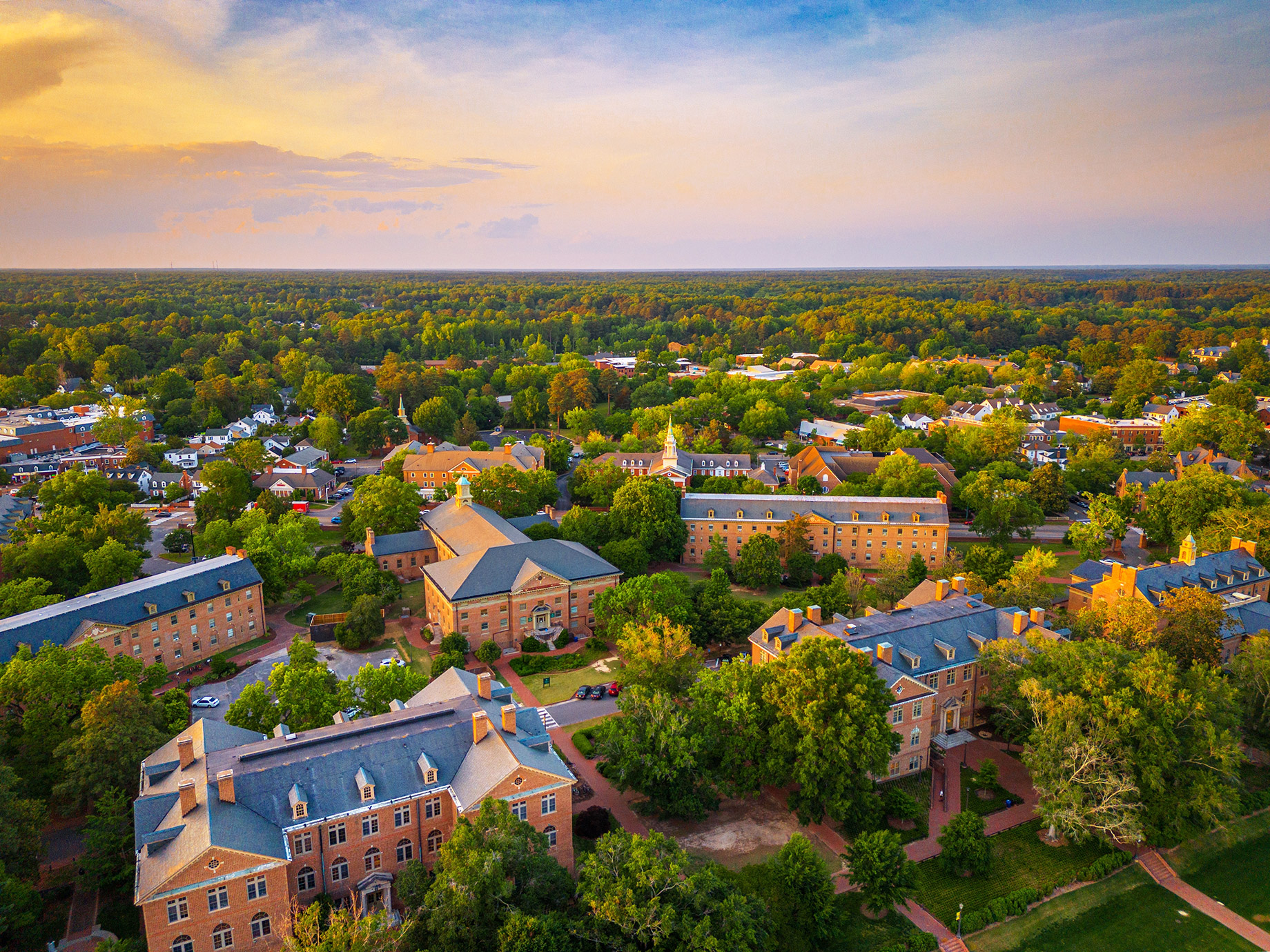
Williamsburg, Virginia, is one of the most charming cities on the East Coast. With its rich colonial history, proximity to major employers, and access to beaches and parks, it draws new residents from across the country every year.
But if you are planning a move here, the timing of your relocation can make a significant difference in your experience, your budget, and your stress level.
Understanding the best time to move to Williamsburg, VA, means looking closely at weather patterns, local events, and the real estate market.
Understanding Williamsburg’s Seasons
When thinking about moving to Williamsburg, VA, weather and seasons, it helps to understand what each part of the year actually feels like.
Williamsburg sits in a humid subtropical climate zone, which means hot and humid summers, mild winters, and beautiful spring and fall seasons. Each season carries its own advantages and drawbacks for movers.
Spring: The Sweet Spot for Most Movers
Spring, particularly April and May, is widely considered the best window for a move to Williamsburg.
Temperatures are comfortable, typically ranging from the mid-50s to the low 70s Fahrenheit. The humidity has not yet climbed to its summer peak, and the risk of severe weather is relatively low.
In a spring vs summer move to Williamsburg,g VA comparison, spring consistently wins for comfort and convenience.
You can move furniture without the physical toll of summer heat, and your movers can work more efficiently in cooler conditions. The roads are clear, daylight hours are generous, and the city itself feels energized after winter.
There is also a practical real estate benefit. Spring listings tend to be more plentiful, giving buyers and renters more options before the summer rush drives competition higher.
Summer: Busy, Hot, and Expensive
Summer is technically the most popular time to move across the country, and Williamsburg is no exception. Families prefer to relocate between school years, which concentrates demand in June, July, and August. The downside is that this demand translates directly into higher moving costs, tighter scheduling, and less flexibility.
The heat and humidity in Williamsburg during July and August can be brutal.
Temperatures regularly reach the upper 80s and low 90s, and the humidity makes it feel even warmer. Moving heavy boxes and furniture in those conditions is physically exhausting and can slow down the entire process.
Williamsburg is also a major tourist destination in the summer. Colonial Williamsburg draws large crowds, and traffic through the area can be heavier than expected.
If you are moving into a neighborhood near the historic district, plan your moving day accordingly.
Fall: An Underrated Option
September through November is an often-overlooked but genuinely excellent time to move to Williamsburg.
The tourist crowds begin to thin after Labor Day, temperatures cool to a very pleasant range, and the foliage makes the city look stunning. Moving costs often drop compared to the summer peak, and availability with local professionals tends to improve.
October in particular is a strong month for a move. The weather is stable, the days are still long enough to get a full move completed, and you can settle in before the holiday season begins.
Many people who have used a moving company that Williamsburg residents trust report that fall moves tend to go more smoothly simply because scheduling is easier and conditions are more predictable.
Winter: For the Budget-Conscious and Flexible
Winter is the least popular time to move, and that unpopularity has a silver lining. Moving rates are at their lowest, and you will have the easiest time booking your preferred dates.
Williamsburg winters are mild by northern standards, with average temperatures in the 40s and occasional frost rather than heavy snowfall.
The risk, of course, is unpredictable weather. Ice storms can occur, and a single weather event can derail a carefully planned moving day. If you choose winter, build extra flexibility into your timeline and have a backup date in mind.
A Seasonal Guide to Moving to Williamsburg, VA
To summarize this seasonal guide to moving to Williamsburg, VA, spring and fall are generally the most comfortable and convenient times to relocate, offering mild weather and better scheduling options.
Summer provides the advantage of aligning with school breaks but comes with higher costs, heavier traffic, and intense heat and humidity. Winter can be a smart choice for those focused on budget and flexibility, as long as you are prepared for occasional weather-related disruptions.
Ultimately, the best time for your move depends on your priorities—whether you value lower costs, pleasant weather, school schedules, or a quick transition.
By weighing the pros and cons of each season and planning, you can choose the timing that best supports a smooth, low-stress move to Williamsburg, Virginia, and start enjoying everything this historic city has to offer as soon as you arrive.
