Understanding the Importance of Independence for Seniors
Independence is one of the most meaningful parts of life as people grow older. It represents dignity, comfort, confidence, and the ability to manage daily routines without relying heavily on others. For many seniors, staying in their own homes brings emotional stability and a sense of familiarity that cannot be replaced. However, remaining at home safely requires thoughtful planning and practical improvements. This is where the concept of smart home adjustments becomes essential. These adjustments are not limited to technology. They include layout changes, safety enhancements, mobility solutions, and strategic updates that support daily living.
Aging introduces physical changes that affect balance, mobility, strength, and vision. Even simple activities become more difficult. Moving from one floor to another, reaching shelves, using the bathroom, and navigating around furniture can turn into challenges. The environment must adapt to these changes, not the other way around. When the home offers better support, seniors maintain independence much longer. They move with confidence, perform daily tasks more easily, and reach a level of comfort that reduces stress for both them and their families.
Why Home Adjustments Matter More With Age
Identifying the Physical Challenges Created by Aging
When seniors face mobility limitations, they often begin making small lifestyle changes without noticing. They avoid stairs, stop using certain rooms, or wait for someone else to help them with small tasks. These adjustments may seem minor at first, but they slowly reduce independence. The goal of smart home adjustments is to prevent this decline by making the environment safer and more usable.
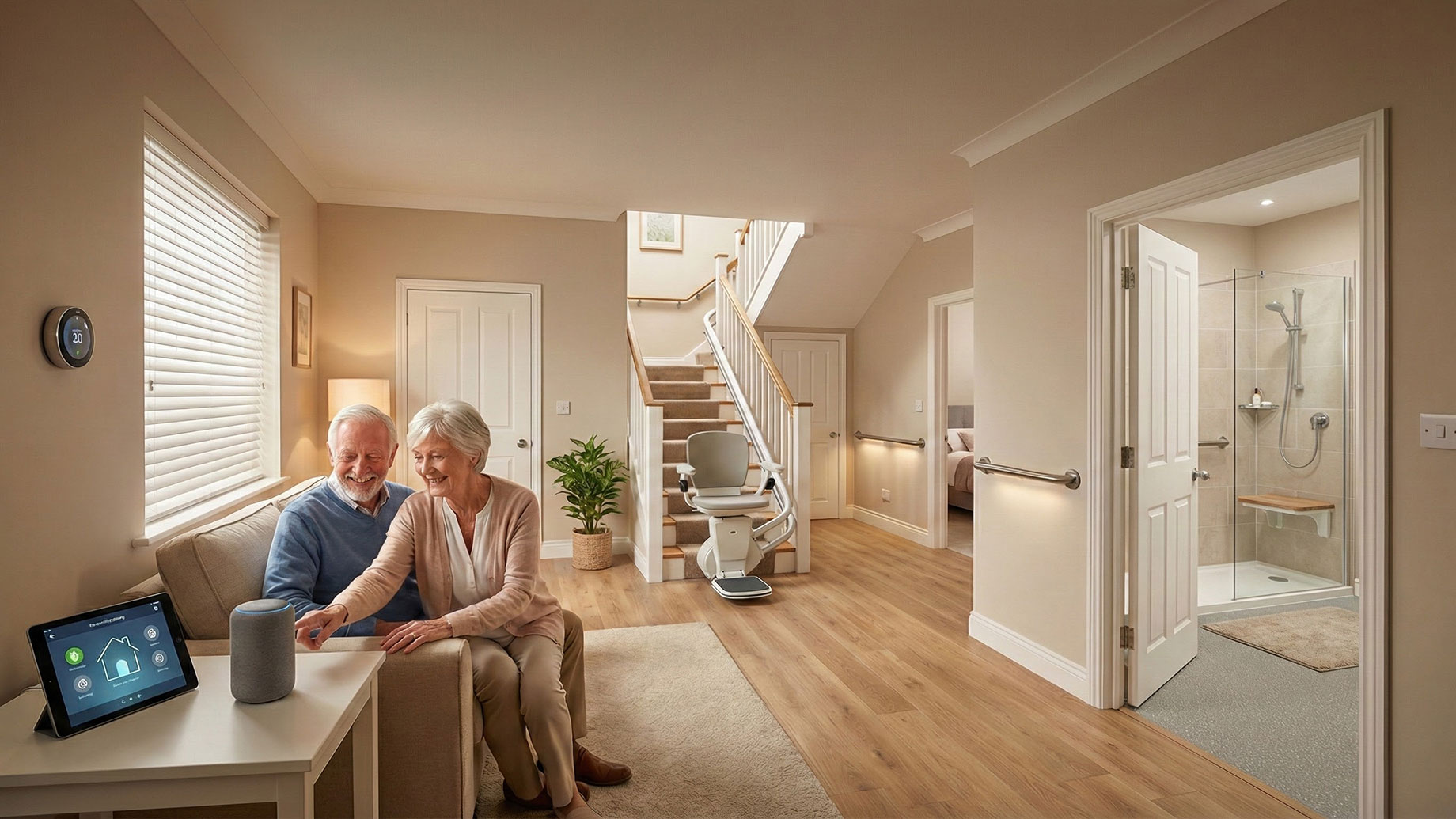
Stairs are one of the most significant concerns. Many seniors avoid upper floors completely because climbing steps becomes physically demanding. This is why installing a stairlift often becomes one of the most meaningful changes a family can make. The device allows seniors to access every level of the home safely. It restores independence by eliminating the fear of falling. When mobility concerns are addressed early, confidence increases and the home becomes a more supportive environment.
Understanding How Home Safety for Seniors Protects Long Term Health
Home safety for seniors goes beyond preventing falls. It includes improving visibility, reducing obstacles, enhancing bathroom safety, controlling indoor temperature, and creating a layout that supports smooth movement. A safe home reduces physical strain and minimizes risks that can lead to injuries. Injuries at an older age can take much longer to heal and often lead to long term consequences. A single fall can result in hospital stays, loss of confidence, and long term dependence on others.
Smart adjustments prevent these incidents. They create an environment where seniors move freely without feeling restricted. A well designed home gives seniors the assurance that they can manage their daily routine without constant supervision. This sense of independence contributes to emotional and mental well being.
Essential Home Adjustments That Support Independent Living
Creating Clear and Open Walking Paths
Clutter, narrow spaces, and poorly arranged furniture create obstacles that increase the risk of trips and falls. A home should have clear, spacious pathways that allow easy movement from one room to another. This is especially important for seniors who use mobility aids such as walkers or canes.
Removing unnecessary furniture, adjusting layout, and increasing space between items creates a safer environment. Even simple actions like choosing low pile carpets or ensuring that rugs stay flat reduce the possibility of accidents. These changes seem small but play a large role in daily safety.
Enhancing Visibility and Lighting Throughout the Home
Vision naturally changes with age. Shadows, dim lighting, and poorly lit hallways create confusion and increase the risk of falls. Improving lighting is one of the easiest ways to support independence. Brighter bulbs, motion activated lights, bedside lamps, and illuminated switches create a safer environment for both day and night.
Kitchen counters, staircases, bathrooms, and entryways benefit from consistent lighting. Seniors should be able to move confidently without straining their eyes. These adjustments reduce stress and promote smoother daily activities.
Installing Supportive Bathroom Features
Bathrooms are one of the most hazardous areas in the home. Wet surfaces, tight spaces, and sudden movements make accidents more likely. Installing grab bars, non-slip flooring, shower seats, and higher toilets significantly improve safety. These features provide stability, reduce physical strain, and allow seniors to manage personal care independently.
Well designed bathroom adjustments also reduce the need for external assistance. This supports privacy and dignity, which are important elements of independence.
Improving Accessibility Between Floors
For homes with more than one level, moving between floors becomes a major challenge for aging adults. Installing a stairlift is one of the most effective solutions. It eliminates the physical stress of climbing stairs and greatly reduces the risk of falls. Seniors no longer have to avoid certain areas of the home, allowing them to use all rooms freely.
A stairlift provides smooth, controlled movement between floors. It also gives peace of mind to family members who worry about safety. When this adjustment is combined with other home improvements, the entire living environment becomes more accessible.
How Smart Home Technology Contributes to Senior Independence
Using Simple Devices That Assist Daily Tasks
Not all smart technology is complicated. Basic devices such as voice controlled assistants, automatic lights, and remote controlled appliances help seniors complete tasks without unnecessary strain. These tools allow them to manage reminders, adjust lighting, and control temperature without moving from one area to another.
Monitoring Safety Without Compromising Privacy
Modern home monitoring systems allow family members to stay aware of safety concerns while still respecting independence. These systems track door usage, detect unusual movement patterns, and alert caregivers when needed. They serve as an additional layer of safety without limiting the senior’s autonomy.
Enhancing Comfort Through Automated Settings
Automated thermostats, smart curtains, and adjustable lighting create controlled environments that support comfort. Seniors can maintain ideal temperatures, reduce glare, and adjust their surroundings easily. A comfortable environment encourages relaxation and reduces stress.
The Emotional Impact of a Safe and Supportive Home
Building Confidence Through Secure Movement
When seniors can move freely without fear of falling, their confidence grows. This confidence encourages more activity, which contributes to better physical health. A home designed with their needs in mind gives them the reassurance that they can manage daily life independently.
Reducing Stress for Family Members
Family members often worry about the safety of aging loved ones. A home with proper adjustments reduces this anxiety. Knowing that the environment supports safety brings peace of mind to everyone involved. It also reduces the need for constant check ins or supervision.
Creating an Environment That Supports Identity
A safe and accessible home allows seniors to continue their routines, hobbies, and interests. They remain connected to the spaces they love. This continuity supports emotional stability and maintains a strong sense of identity.
How Planning Strengthens Home Adjustments
Every home requires a unique combination of improvements. Designing an effective living environment works like arranging pieces. Each adjustment connects to the next, forming a complete picture of safety and independence. Some pieces support mobility. Others increase visibility. Some reduce physical strain. These small elements form strands that intertwine to create a fully supportive living space. When everything aligns, the home becomes a place where seniors thrive.
Final Thoughts on Supporting Independent Living for Seniors
Independent living is possible when the environment adapts to the needs of aging adults. Smart home adjustments do more than make daily life easier. They protect health, restore confidence, and strengthen emotional well being. Effective changes range from basic layout improvements to advanced supportive features such as installing a stairlift. When combined with proper planning, these adjustments create a home that is not only safe but deeply empowering.
