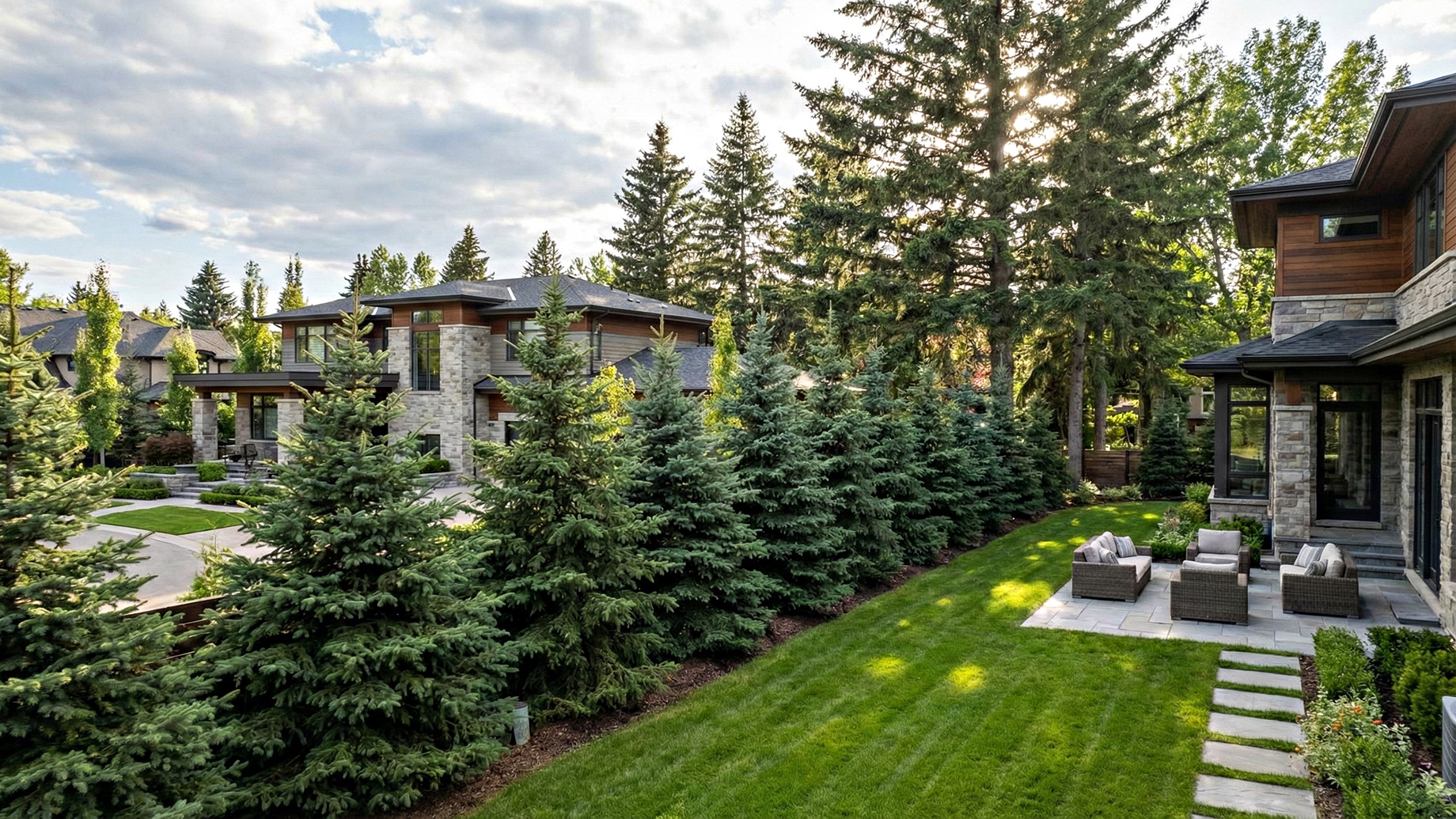
Spruce trees are one of the most popular evergreen trees in Toronto and the surrounding GTA. Homeowners love them because they stay green all year, grow tall and dense, and create a natural wall of privacy. Whether you live in a busy neighborhood, near open land, or along a windy street, spruce trees can make your outdoor space quieter, calmer, and more comfortable. They also add beauty and value to your property while helping protect your yard from harsh weather.
If you already have large spruce trees or are planning to plant them, it is important to think long-term about maintenance and safety. In some cases, older or damaged trees may require professional help such as a tree removal service Mississauga to prevent risks to homes, fences, or power lines. Understanding how spruce trees grow and how to care for them can help you enjoy their benefits for many years.
Why Spruce Trees Are So Popular in Toronto
Toronto’s climate includes cold winters, warm summers, snow, ice, and strong winds. Spruce trees handle these conditions very well. They are hardy, resilient, and adaptable to many soil types found in the GTA. Because they are evergreen, they keep their needles year-round, unlike deciduous trees that lose their leaves in fall.
This makes spruce trees perfect for homeowners who want privacy throughout the year, not just during summer. Even in winter, they block wind, reduce noise, and create a natural barrier between properties.
Another reason spruce trees are popular is their fast growth compared to many other evergreens. Within a few years, young trees can form a thick hedge that offers excellent coverage and protection.
Types of Spruce Trees Commonly Found in Toronto
Several spruce species grow well in Toronto and Mississauga. Each has its own look and growth style.
Norway Spruce
Norway spruce is one of the fastest-growing spruce trees. It can reach impressive heights and spreads wide, making it ideal for large properties and windbreaks. Its dense branches provide excellent privacy and shelter from wind.
White Spruce
White spruce is native to Canada and thrives in cold climates. It has a neat shape and slightly lighter-colored needles. It is commonly used in residential landscaping and public spaces.
Blue Spruce
Blue spruce is known for its beautiful blue-green needles. It grows more slowly than Norway spruce but offers strong visual appeal. Many homeowners choose it as a focal tree in their yard.
Black Spruce
Black spruce prefers wetter soils and is often found in natural areas. It can still work in residential landscapes if conditions are suitable.
Choosing the right type depends on your yard size, soil conditions, and how much space you have for growth.
How Spruce Trees Provide Privacy
Spruce trees grow thick branches from top to bottom, which makes them excellent natural screens. When planted in rows, they form a living fence that blocks views from neighboring homes, roads, and sidewalks.
Unlike wooden fences, spruce trees look natural and blend beautifully into the landscape. They also reduce noise by absorbing sound, which is helpful if you live near traffic or busy streets.
Once established, spruce trees require less visual maintenance than fences, and they do not rot or need repainting. With proper care, they can last for decades.
Wind Protection Benefits of Spruce Trees
Wind can cause damage to gardens, patios, fences, and even homes. Strong gusts also make outdoor spaces less enjoyable, especially during colder months.
Spruce trees act as windbreaks by slowing down air movement. Their dense needles and layered branches reduce wind speed, which helps protect plants, lawns, and structures. This also helps reduce heat loss from your home in winter, potentially lowering heating costs.
If your property is exposed to open fields or wide streets, planting spruce trees along the wind-facing side can make a noticeable difference in comfort and energy efficiency.
Ideal Planting Location and Spacing
When planting spruce trees, spacing is very important. Trees planted too close together may compete for nutrients and sunlight, leading to weak growth or disease.
For privacy hedges, spacing is usually 8 to 12 feet apart, depending on the species. For large windbreaks, even more space may be needed to allow full growth.
Spruce trees prefer well-drained soil and full sun, although they can tolerate partial shade. Avoid planting too close to foundations, underground pipes, or power lines, as mature trees can become very large.
Watering and Soil Care
Young spruce trees need regular watering during their first few years. Deep watering helps roots grow strong and reach deeper into the soil. Once established, spruce trees are fairly drought-tolerant but still benefit from occasional watering during dry summers.
Mulching around the base helps retain moisture, regulate soil temperature, and reduce weeds. Make sure mulch is not piled directly against the trunk to avoid moisture damage.
Healthy soil supports strong growth and reduces the risk of pests and disease.
Pruning and Maintenance
Spruce trees do not require heavy pruning, but occasional trimming keeps them healthy and attractive. Removing dead or damaged branches improves airflow and prevents disease from spreading.
If you want to shape your spruce trees for privacy hedges or to control size, light trimming is best done in late winter or early spring. Avoid heavy cutting during hot summer months, as this can stress the tree.
For larger or hard-to-reach trees, professional services like tree trimming Mississauga can ensure safe and proper care without damaging the tree or nearby property.
Common Problems with Spruce Trees
Even though spruce trees are strong, they can still face issues.
Pests
Spruce trees may attract insects such as spider mites, aphids, and bark beetles. Early signs include discoloration, needle drop, or sticky residue on branches.
Diseases
Fungal infections can cause needle cast or branch dieback. Proper spacing, airflow, and watering practices reduce the risk.
Storm Damage
Heavy snow, ice, and strong winds can break branches or cause leaning trees. Regular inspections help identify weak limbs before they become hazards.
Addressing problems early saves money and protects your property.
When Removal May Be Necessary
Sometimes, spruce trees become too large, unstable, or diseased to safely remain on a property. Trees growing too close to homes, driveways, or power lines may pose risks during storms.
Signs that removal may be necessary include:
- Large dead sections
- Severe leaning or root damage
- Cracks in the trunk
- Repeated pest infestations
- Storm-related structural damage
Professional assessment helps determine whether trimming or full removal is the safest option.
Environmental Benefits of Spruce Trees
Beyond privacy and wind protection, spruce trees provide environmental benefits. They improve air quality, absorb carbon dioxide, and provide shelter for birds and wildlife. Evergreens also reduce soil erosion and help stabilize landscapes.
By planting and maintaining spruce trees, homeowners contribute to a healthier local ecosystem while enjoying practical benefits.
Increasing Property Value and Curb Appeal
Mature evergreen trees add beauty and structure to a property. Well-maintained spruce trees create a polished, landscaped look that appeals to buyers and visitors. Privacy landscaping often increases property value because it enhances comfort and outdoor usability.
A healthy tree line can also frame a home nicely and improve first impressions.
Tips for Long-Term Success
- Choose the right spruce species for your space
- Plant with proper spacing and sunlight
- Water young trees consistently
- Mulch for moisture retention
- Inspect regularly for pests or damage
- Trim lightly to maintain shape and health
- Seek professional help for large trees
Following these simple steps ensures your spruce trees remain strong, safe, and attractive.
Final Thoughts
Spruce trees are an excellent choice for Toronto homeowners looking for year-round privacy, wind protection, and natural beauty. Their dense evergreen growth creates effective barriers against noise, wind, and unwanted views, while also adding value to your property. With proper planting, care, and maintenance, spruce trees can serve your home for decades.
Whether you are planting new trees or caring for mature ones, understanding their needs helps prevent costly issues and keeps your landscape healthy and safe. Investing in regular inspections and professional support when needed ensures your spruce trees continue to provide comfort, protection, and lasting appeal.
