Luxury properties are designed to offer comfort, privacy, and convenience. From expansive glass entrances and private garages to guest suites and smart-home technology, these homes often have a variety of access points that require thoughtful security planning.
While cameras and alarm systems are important, physical access remains a fundamental part of protecting a property. Well-maintained locks, carefully managed keys, and clear access procedures can help homeowners safeguard their investments without compromising everyday convenience.
Assess Every Entry Point
A security review should begin with the doors and windows that connect a property to the outside. Main entrances, side doors, patio doors, garage entrances, and secondary access points should all close securely and have functioning locks.
Large sliding doors and floor-to-ceiling windows are popular features in contemporary architecture. Their locking mechanisms, frames, and tracks deserve regular attention to ensure they function as intended.
A lock is only one component of a secure entrance. Door construction, frame strength, hinges, and installation quality also affect how well an entry point performs. Property owners should address loose hardware, doors that no longer align correctly, and locks that become difficult to operate.
Manage Keys and Access Permissions
Luxury residences may have housekeepers, property managers, maintenance professionals, landscapers, and other service providers who need access at different times. Without a clear system, it can become difficult to know who has keys or active entry credentials.
Owners should keep track of physical keys and review access permissions whenever staffing arrangements change. Temporary access codes can be useful for guests and contractors, provided they are removed when no longer needed.
When purchasing a property, owners should consider whether previous occupants or contractors may still have copies of existing keys. Depending on the circumstances, rekeying or replacing selected locks can help restore control over who has access.
Integrate Smart Locks With Traditional Security
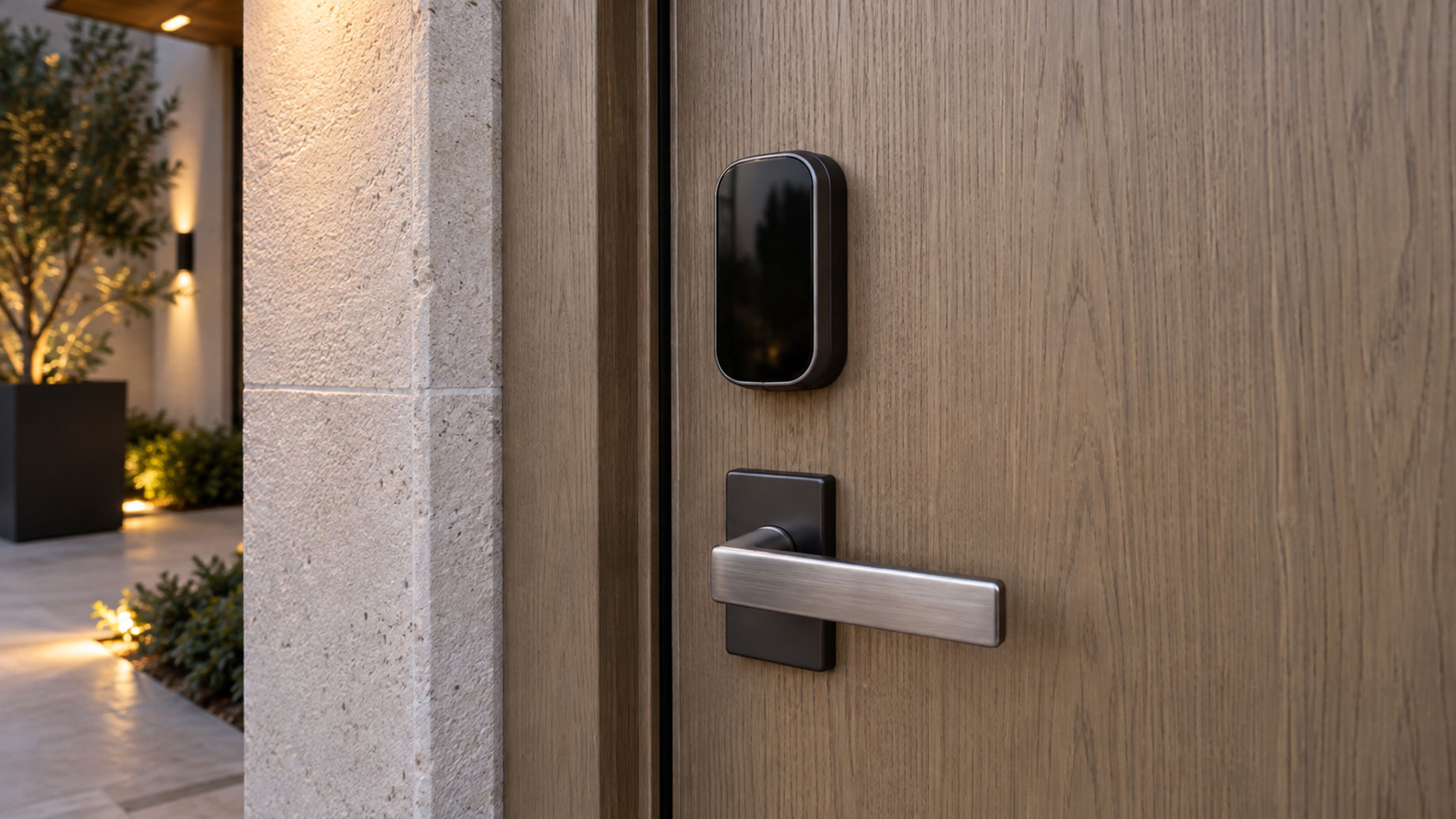
Smart locks can make access management more convenient. Depending on the model, they may allow homeowners to issue temporary codes, review entry activity, or manage access remotely.
These features also introduce additional responsibilities. Owners should use strong account passwords, enable multifactor authentication when available, install manufacturer updates, and periodically review who has administrative access.
It is equally important to understand how a system operates during a power outage, network disruption, or depleted battery. A dependable backup-entry procedure can prevent a technology issue from becoming an emergency.
Smart locks should complement a property’s physical security measures, not replace them. Their suitability depends on the door, the hardware, the household’s needs, and the reliability of the chosen system.
Pay Attention to Garages and Secondary Entrances
Garages, basement doors, service entrances, and gates can receive less attention than the main entrance, even when they connect directly to the living space.
Check that garage doors close completely, access codes are not shared unnecessarily, and connecting doors have appropriate locks. After renovations or contractor visits, review any temporary access arrangements.
Routine maintenance is important, too. A sticking lock, loose handle, or misaligned door can signal a problem that should be addressed before it causes a lockout or further damage.
Know When to Call a Professional Locksmith
Even a well-maintained property can experience a lost key, damaged lock, or malfunctioning entry system. When professional assistance is necessary, property owners should look for a locksmith who can explain the available options and work with the property’s specific hardware.
Before authorizing a repair or replacement, request a clear estimate that explains labor, parts, service charges, and any additional costs. Verify the technician’s identity and check applicable local licensing requirements. For properties with specialized or high-security hardware, confirm that the locksmith has experience with the relevant system.
Homeowners seeking residential, commercial, or emergency locksmith services can learn more through Guaranteed Locksmith. Before proceeding with any service, property owners should confirm availability for their location, discuss the proposed work, and understand the pricing.
Not every problem requires a complete lock replacement. Depending on the situation, repairing a component, rekeying an existing lock, or upgrading selected entry points may be the more appropriate solution.
Make Security Part of Regular Property Maintenance
A luxury property’s long-term value depends on more than its architectural design and interior finishes. Reliable access, well-maintained hardware, and thoughtful security procedures help protect the property and the people who use it.
Include locks, doors, windows, gates, and electronic access systems in routine maintenance reviews. Revisit access permissions after a change of ownership, renovation, or change in household staff.
A considered approach to security helps preserve the privacy and convenience that luxury properties are designed to provide. The objective is to ensure that access systems work reliably in the background, giving residents confidence without making everyday life unnecessarily complicated.
