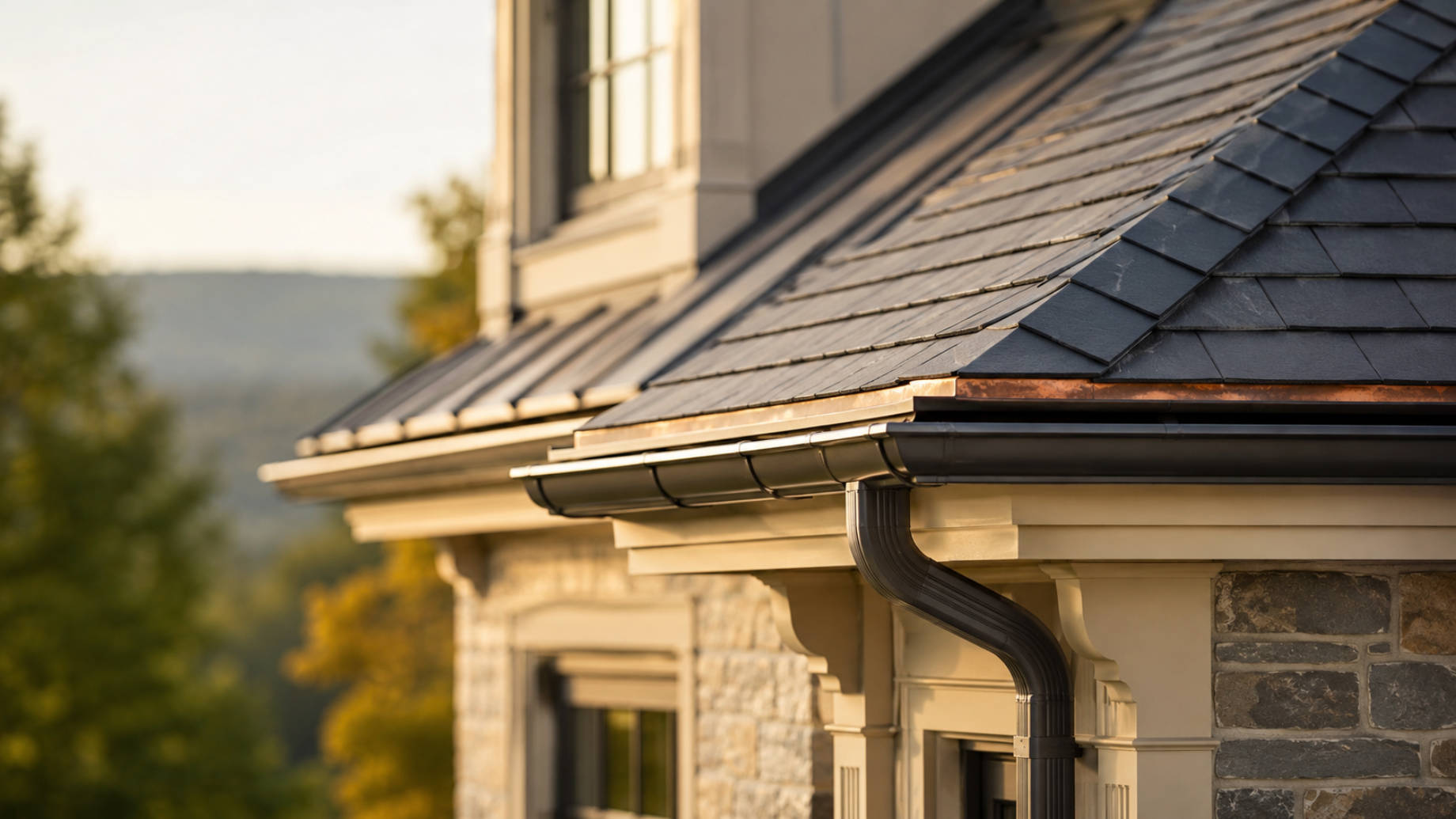
A roof is one of the most important protective systems in any home. In Virginia, where properties can face heavy rain, summer heat, winter weather, high winds, and storm-related damage, roofing decisions should be made carefully. Whether a homeowner needs a small repair, a full replacement, emergency work, or help after a storm, the quality of the contractor matters as much as the materials used.
For homeowners searching for roofing in services in VA, the right choice begins with understanding what a roofing contractor should provide, what questions to ask, and how to compare proposals without focusing only on the lowest price.
Why Roofing Matters for Virginia Homes
Virginia homes experience a wide range of weather conditions throughout the year. A roof must handle moisture, temperature changes, wind exposure, and seasonal storms while protecting the structure beneath it. When roofing issues are ignored, small problems can move quickly into attic spaces, insulation, ceilings, walls, and interior finishes.
Common roofing concerns include:
- Missing, cracked, or curling shingles
- Damaged flashing around chimneys, skylights, and vents
- Leaks after heavy rain
- Granule loss on asphalt shingles
- Storm, hail, or wind damage
- Poor attic ventilation
- Sagging roof sections
- Water stains on ceilings or walls
A proper inspection helps identify whether the issue is isolated or part of a larger roofing system failure.
Roof Repair vs. Roof Replacement
Not every roofing problem requires a full replacement. In many cases, targeted repair is enough. A qualified contractor should explain the condition of the roof, show where the issue is located, and recommend a solution based on the age of the system, the extent of the damage, and the expected remaining lifespan.
Roof repair may be suitable when damage is limited to a small section, such as a few missing shingles, minor flashing failure, or a localized leak. Replacement becomes more likely when the roof is near the end of its useful life, has widespread damage, or has repeated leak issues that repairs no longer solve.
Homeowners should be cautious of contractors who immediately recommend the most expensive option without a clear explanation. A trustworthy roofing company should provide photos, inspection notes, and a written scope of work.
What to Look for in a Virginia Roofing Contractor
Choosing a contractor should be a structured decision, not a rushed one. The contractor should be able to explain the project clearly and provide documentation before work begins.
Key things to review include:
- Proper licensing and insurance
- A written estimate with defined materials and scope
- Local experience with Virginia homes and weather conditions
- Clear warranty information
- References, reviews, or examples of completed work
- A realistic timeline
- Cleanup and property protection procedures
- Written terms for payment, materials, and project changes
The best roofing contractors make the process easier for homeowners by communicating clearly from inspection to completion.
Why Written Estimates and Contracts Matter
A roofing project should never depend on vague verbal promises. A written estimate protects both the homeowner and the contractor by defining what is included, what materials will be used, when the work is expected to begin, and how payment will be handled.
A good roofing contract should include:
- The contractor’s business information
- The project address
- Detailed description of the work
- Roofing materials and product specifications
- Start and estimated completion dates
- Warranty details
- Payment schedule
- Cleanup responsibilities
- Terms for unexpected issues, such as damaged decking
This is especially important when storm damage or insurance claims are involved. Documentation helps homeowners understand the repair process and reduces confusion if additional damage is found once work begins.
Storm Damage and Emergency Roofing Support
Storm damage is one of the most common reasons homeowners contact a roofer. High winds can lift shingles, loosen flashing, and expose vulnerable areas. Hail can damage shingles even when the roof does not appear severely affected from the ground. Heavy rain can reveal weak points around penetrations, valleys, and drainage areas.
After a major storm, homeowners should avoid walking on the roof themselves. Instead, they should check for visible signs from the ground, including fallen shingles, gutter damage, displaced flashing, debris, or interior staining. A professional inspection is the safer and more reliable next step.
Emergency roofing support may include temporary tarping, leak control, damage assessment, and documentation for the next phase of repair.
The Role of Materials and Ventilation
Roofing performance depends on more than the visible surface. Shingles, underlayment, flashing, drip edge, decking, ventilation, and gutters all work together. If one part of the system is weak, the roof may not perform as expected.
For example, poor attic ventilation can trap heat and moisture, which may shorten the life of roofing materials and create comfort issues inside the home. Improper flashing can allow water intrusion even when the shingles are in good condition. Clogged or poorly installed gutters can push water toward fascia, siding, or foundation areas.
A professional contractor should look at the full system rather than treating the roof as a single layer of material.
Why the Lowest Bid is Not Always the Best Value
Price matters, but it should not be the only factor. A very low estimate may leave out important materials, proper preparation, cleanup, warranty protection, or skilled labor. Over time, poor installation can lead to leaks, repeated repairs, and unnecessary replacement costs.
Better value comes from a contractor who uses appropriate materials, installs them correctly, communicates clearly, and stands behind the work. For homeowners planning to stay in the property long term, roof quality can also affect comfort, curb appeal, and resale confidence.
Questions to Ask Before Hiring
Before signing a roofing agreement, homeowners should ask direct questions:
- Are you licensed and insured for this type of work in Virginia?
- What exactly is included in the estimate?
- Which materials do you recommend and why?
- Will you inspect decking, flashing, ventilation, and gutters?
- What warranties apply to materials and labor?
- How will the property be protected during the project?
- Who will supervise the work?
- What happens if hidden damage is discovered?
- How will cleanup be handled?
Clear answers are a good sign. Evasive or rushed responses are a warning sign.
Final Thoughts
Roofing is not a project where homeowners should rely on guesswork. In Virginia, the right contractor can help protect a home from water intrusion, storm damage, energy loss, and long-term structural problems. The best approach is to choose a roofing professional who inspects carefully, explains options clearly, provides written documentation, and treats the roof as part of the home’s larger protective system.
A well-installed roof protects more than the building. It protects the homeowner’s investment, comfort, and peace of mind.
Frequently Asked Questions
How often should a Virginia homeowner inspect a roof?
Homeowners should check the roof visually after major storms and schedule a professional inspection when they notice leaks, missing shingles, damaged flashing, or ceiling stains. Periodic inspections can also help identify issues before they become expensive repairs.
Is roof repair always better than replacement?
No. Repair may be appropriate for isolated damage, but replacement may be the better option when the roof is old, repeatedly leaking, or widely damaged.
What should be included in a roofing estimate?
A roofing estimate should include the project scope, materials, labor, timeline, warranty details, cleanup responsibilities, and payment terms.
Can storm damage be hard to see?
Yes. Some hail, wind, and flashing damage may not be obvious from the ground. A professional inspection can identify problems that homeowners may miss.
Why is contractor licensing important?
Licensing helps confirm that a contractor is authorized to perform regulated work. Homeowners should verify licensing, insurance, and written contract details before work begins.
