Working on a building site involves many moving parts and high stakes. Keeping every person safe on the job remains the top priority for successful projects. A focus on health prevents accidents and keeps the timeline on track.
Safe environments help teams focus on quality work without fear of injury. Leaders who prioritize health and well-being see better results across the board. Every worker deserves a workspace that protects them from harm.
Keeping Every Worker Safe
Heavy machinery and high heights create risks for everyone on a job site. Constant awareness helps prevent accidents that could change a life forever. Every person deserves to go home in the same condition they arrived.
Training sessions help crews recognize hazards before they become real problems. Companies save $4 to $6 for every $1 spent on site safety. The financial return comes from reduced insurance premiums and fewer project delays. Investing in prevention is much smarter than paying for the cost of a mistake.
Safety meetings should happen every morning to discuss the tasks for the day. These brief chats keep everyone alert and focused on the current environment.
Boosting Project Success Rates
High injury rates can slow down progress and hurt a company’s reputation. Smooth operations depend on a team that feels secure in its workspace. Confidence in site management keeps morale high among the trades. When people feel safe, they work with more precision and care.
Implementation of hazard analysis programs leads to much better safety outcomes. Procore reported that firms see a 73% improvement in injury rates when they use active safety cultures. These businesses find that a focus on health leads to higher-quality work. Success is built on a foundation of well-managed risks and clear communication.
Reliable workers are more likely to stay with a firm that cares about their health. The stability helps projects finish on time and within the set budget. Turnover stays low when people feel their employer values their life. A steady team completes complex tasks with greater efficiency.
Modern Compliance Management
Modern jobsites require mountains of paperwork to meet industry regulations. Keeping files organized prevents legal issues and keeps the crew focused on the build. Scattered records cause stress when an inspector shows up unexpectedly. Every manager needs a clear way to track daily safety checks.
Managing safety documentation manually often leads to errors or missed updates. As explained by experts from Breadcrumb, using a digital safety partner that construction teams rely on to ditch the paperwork, simplify compliance, and make site safety everyone’s responsibility keeps files organized.
This shift toward automation helps field supervisors spend more time observing work rather than filing papers. Technology bridges the gap between complex rules and daily site activities.
Meeting Industry-Wide Challenges
The construction world faces many hurdles, such as tight budgets and staffing shortages. These pressures can sometimes lead to shortcuts that put people in danger. Maintaining standards requires a strong commitment from the very top of the company. A culture of safety must be stronger than the urge to rush.
Reports from the ASSP identify labor shortages as a major barrier to maintaining site safety. Finding skilled workers who understand safety protocols is harder than ever. Many firms now spend extra time teaching new hires the basic rules of the trade. Proper mentorship helps bridge the skill gap for younger employees.
Leaders must find ways to maintain high standards even when resources are thin. Safety should never be the area where a team cuts corners. Consistent rules help keep a site running smoothly even during busy seasons.
Reducing Fall Risks On Site
Falls remain one of the most common causes of serious injuries in the field. Working from ladders or scaffolding requires extra care and the right equipment. Site managers must check these areas every single day for stability. Secure footing is the first step toward a safe day on the job.
Data from CPWR shows that construction workers are three times more likely to work in high places than other employees. That high exposure makes fall prevention a top focus for every site manager. Protection systems must be checked before anyone leaves the ground. Constant vigilance keeps workers safe when they are hundreds of feet in the air.
- Double-check all guardrails before starting work.
- Wear harnesses that are properly inspected and fitted.
- Clear debris away from walking paths and edges.
- Use ladders only on level and stable surfaces.
Updating Personal Protective Gear
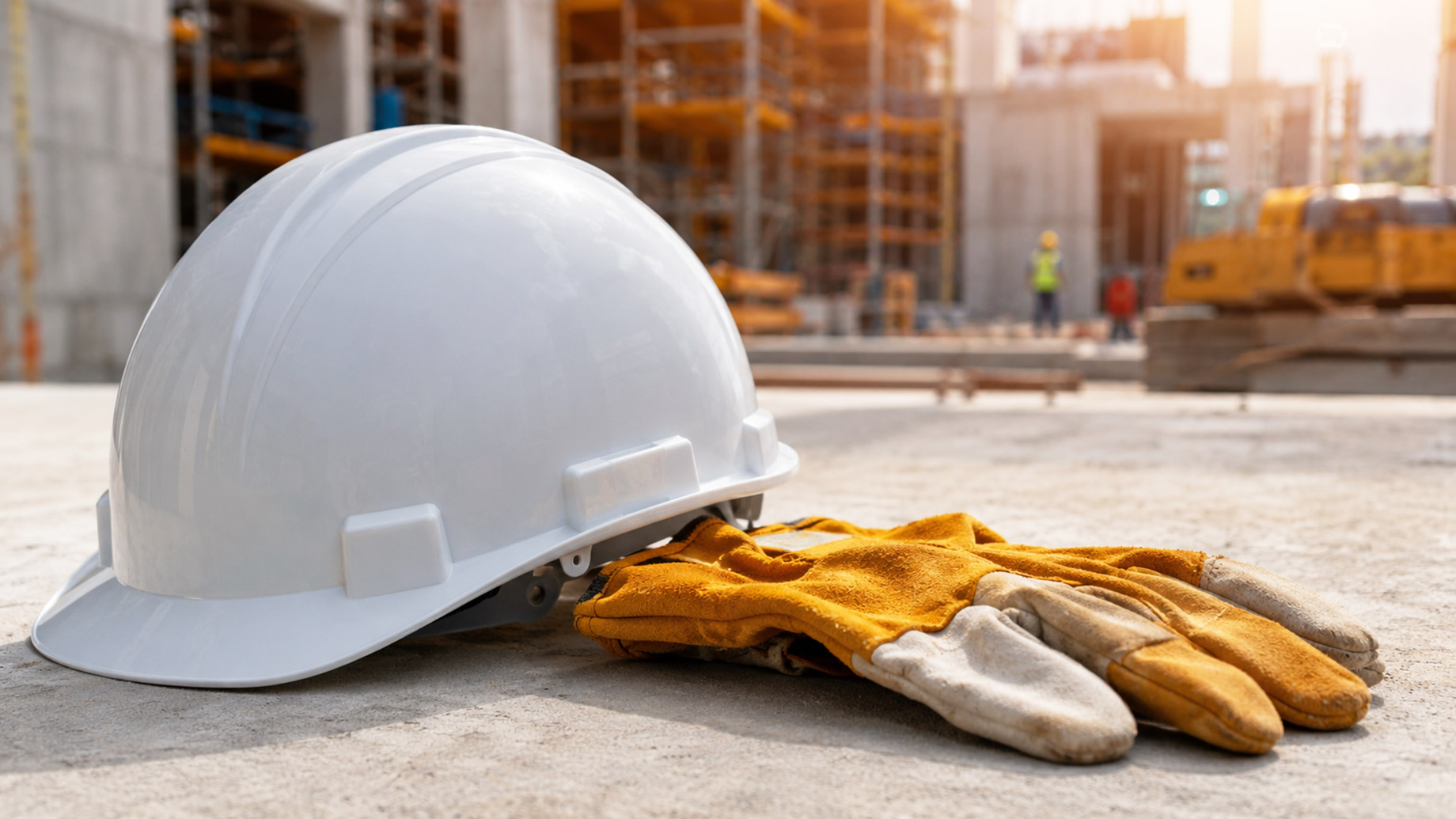
Wearing the right gear is the last line of defense against many hazards. Hard hats and gloves only work if they are in good condition and used correctly. Every worker must check their own equipment before starting a task. The damaged gear should be replaced immediately to avoid any risks.
New rules are changing how companies choose gear for their diverse workforce. Medcor noted that OSHA updated its PPE standards in early 2025 to require gear that fits each worker’s body size. The change helps make sure that every person has the right protection for their frame. Properly fitted equipment is a basic right for every person on the site.
Proper fitting equipment prevents accidents caused by loose clothing or poorly sized masks. Safety gear must be comfortable so that workers are happy to wear it all day. Management should provide a variety of sizes to meet the needs of everyone.
Training for High-Risk Tasks
Education is the foundation of a workplace where no one gets hurt. Regular drills keep safety protocols fresh in the minds of the entire crew. Practical experience helps workers react quickly if a problem occurs. Knowing the right moves can prevent a small mistake from becoming a crisis.
Modern tools make learning more engaging and effective for all staff. New technology is changing how teams learn to handle dangerous situations.
Such tools let workers practice high-stakes moves in a setting where they cannot get hurt. Better training leads to fewer mistakes when the pressure is on during a real build. Confidence grows when a worker knows exactly what to do in a crisis.
Using Technology For Inspections
Checking every corner of a large site is a massive job for a human inspector. Technology now helps cover more ground without putting people in harm’s way. Frequent checks find small issues before they grow into major risks. Automated systems provide a set of eyes that never gets tired.
Drones and AI systems are becoming standard tools for checking hard-to-reach areas. Metroc highlighted that these systems reduce the need for workers to enter dangerous zones for routine checks. That tech allows for more frequent inspections without slowing down the project. Efficiency and safety go hand in hand with these modern upgrades.
Safety is the core of any successful construction business. When teams work together to stay safe, the entire project benefits from higher morale and better productivity. Working without accidents is a goal that everyone can support.
Commitment to a secure job site pays off in many ways. Focus on the well-being of every worker to build a reputation for excellence and care. Build with confidence by making safety the primary focus of every task.
