Owning a home requires constant attention to many different systems. Roofs and HVAC units usually get the most attention from property owners. These parts of the house are easy to see and monitor throughout the year.
Sewer lines often sit forgotten until a major problem occurs. Neglecting these underground pipes can lead to massive financial losses. Homeowners must stay aware of what happens beneath their yards to keep their property safe.
Hidden Dangers Beneath Your Property
Home maintenance often focuses on what people see every day. Walls and floors get fresh paint or new tiles to keep the space looking nice. These surface updates do nothing to help the infrastructure buried deep in the ground.
Pipes hidden under the yard do not get the same level of care as a kitchen sink. These lines carry waste away from the house every single hour of the day. They work hard to keep the living environment clean and healthy for everyone inside.
Small leaks in these pipes can cause the soil to shift over time. Cracks may form in the foundation if the ground becomes too soft from escaping water. Constant moisture attracts pests that can further damage the structure of the building.
Signs Of A Failing Sewer System
Slow-draining sinks and tubs are early warnings that something is wrong. Many people reach for chemical cleaners to fix the issue quickly. These liquids often cause more harm to the pipes than they solve for the user.
Ignoring slow drains can lead to messy outcomes. A homeowner might find sewage backing up into basement floors during a heavy rainstorm. Quick action prevents water from destroying personal belongings stored downstairs.
Gurgling noises coming from the toilet are another sign of trouble. Air trapped in the line causes these strange sounds when water flows through the system. These bubbles mean the path to the main city line is blocked by something.
The Financial Burden Of Major Repairs
Major pipe failures require heavy equipment and lots of labor to fix. Contractors must dig up the yard to reach the damaged sections of the line. This work ruins grass and gardens that took years to grow and maintain.
Replacing 40 feet of pipe can cost between $2,000 and $10,000. These prices vary based on how deep the line is buried in the earth. Replacing a long stretch of plumbing is a significant investment for any family budget.
Repairing a small section is cheaper but still costs thousands of dollars. Saving money now by skipping maintenance leads to higher bills later on. Property owners should plan for these expenses before an emergency happens at the house.
Environmental And Health Consequences
Raw waste leaking into the yard creates a hazardous environment for pets and children. Bacteria and parasites thrive in the damp soil created by leaking sewer water. Keeping the family safe requires a fully sealed and functional plumbing system.
Odors from a broken line can ruin the experience of being outside. Neighbors may even complain if the smell becomes too strong for them to ignore. Foul scents indicate that gas is escaping from the pipes and entering the yard.
Mold can start to grow inside the walls if the leak happens under the foundation slab. Fixing mold damage adds another layer of expense to the total plumbing bill. Dry walls and clean air are necessary for a healthy home environment.
Common Causes Of Line Blockages
Tree roots are a top enemy of underground plumbing systems. They seek out moisture and can grow through tiny gaps in the pipe joints. Once inside, they expand and create a thick web that stops all water flow.
- Large oak tree roots
- Fast-growing willow roots
- Invasive shrubbery branches
- Old clay pipe joints
- Concrete pipe segments
Flushing the wrong items down the drain causes most indoor clogs. Grease and oil turn into solid blocks once they cool down inside the pipes. These solids act like glue and catch other debris moving through the line.
Foreign objects like wipes or paper towels do not break down easily in water. These items snag on rough patches and start a massive blockage over several weeks. Only toilet paper should ever go down the drain to prevent these issues.
Preventive Maintenance Strategies
Regular cleaning keeps the lines clear of debris and minor buildup. Plumbers use high-pressure water to scrub the inside of the pipes without using harsh chemicals, which is safe for all types of plumbing materials found in older homes.
This process removes grease before it has a chance to harden into a solid mass. It is much cheaper than waiting for a complete blockage to occur on a holiday weekend. Keeping the water flowing freely saves time and stress for the homeowner.
Installing a backwater valve helps protect the home from city sewer surges. It acts as a one-way gate for waste leaving the property during heavy storms.
Professional Inspections Save Money
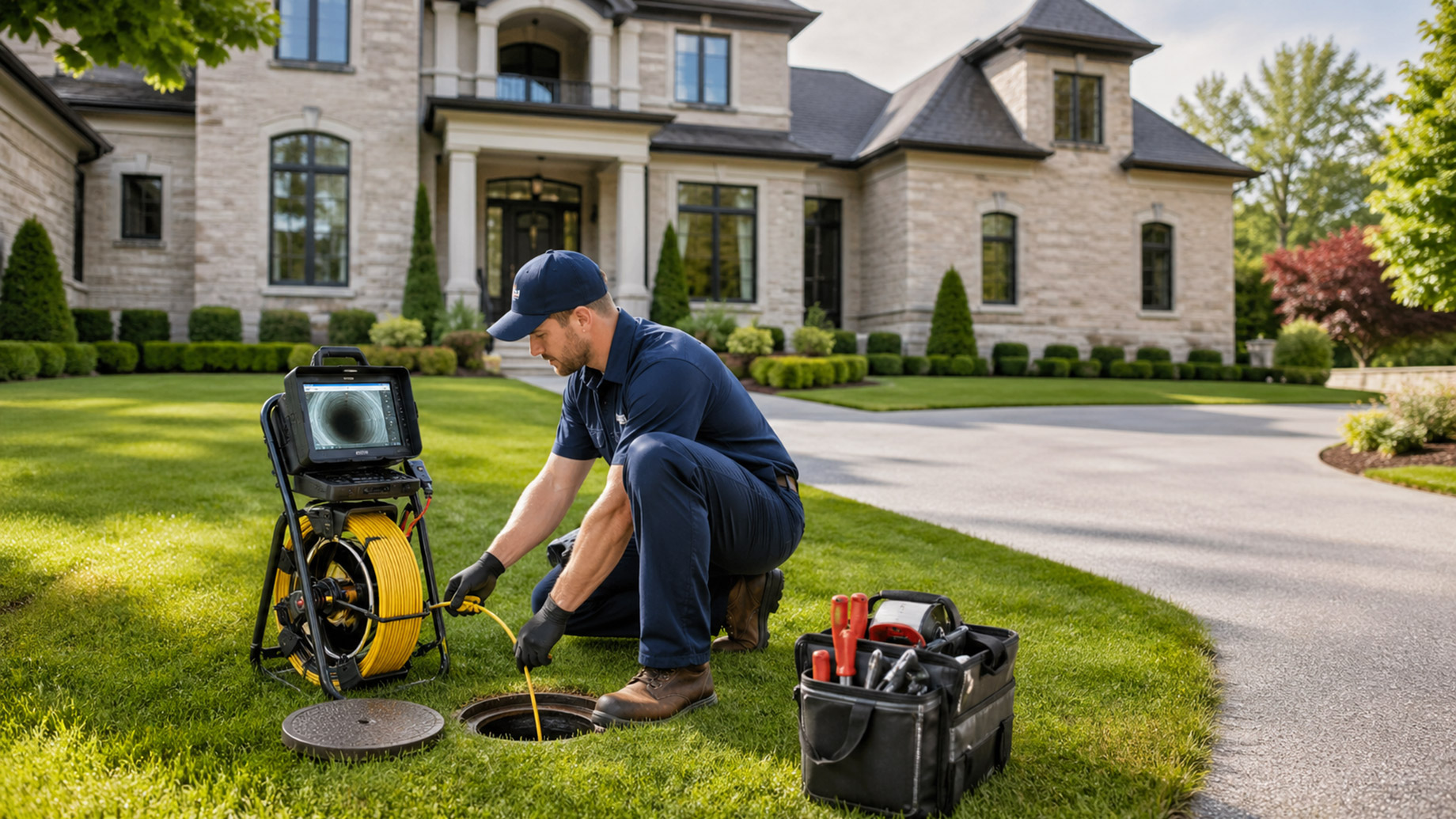
Camera inspections allow plumbers to see exactly what is happening inside the line. They feed a small lens through the pipes to find cracks or roots. Seeing the problem directly helps the plumber choose the best way to fix it.
Finding a problem early means a simple repair might solve the issue. Small cracks can be patched without digging up the entire lawn or driveway. Early detection is the best way to avoid the $10,000 replacement bills mentioned by experts.
Visual proof helps homeowners make smart decisions about their plumbing needs. It removes the guesswork from expensive home improvement projects that involve digging. Knowing the condition of the pipes provides confidence in the safety of the house.
Modern Solutions For Pipe Repair
Trenchless technology allows for repairs without destroying the landscaping or driveways. Professionals pull a new liner through the old, damaged pipe to seal it. The modern approach keeps the yard looking great while fixing the plumbing.
- Pipe bursting techniques
- Cured in place lining
- Epoxy coating methods
- Slip lining installations
- Sectional point repairs
The new material is often stronger than the original pipe used during construction. It resists root intrusion and prevents future leaks from forming for decades. High quality liners give the sewer system a second life without a massive mess.
Choosing these methods saves money on restoring the yard after the job is finished. Families can get back to their normal routines much faster than with traditional digging. Innovation in plumbing makes it easier to keep the home in top shape.
Protecting a home means looking at every part of the structure throughout the year. Underground pipes deserve the same attention as the roof or the windows. Small steps taken today prevent the need for major repairs in the future.
Investing in the sewer line now prevents a financial crisis later on. Clean pipes keep the home safe and the yard looking beautiful for the neighbors. Proper care for these systems is the best way to guard the value of the asset.
