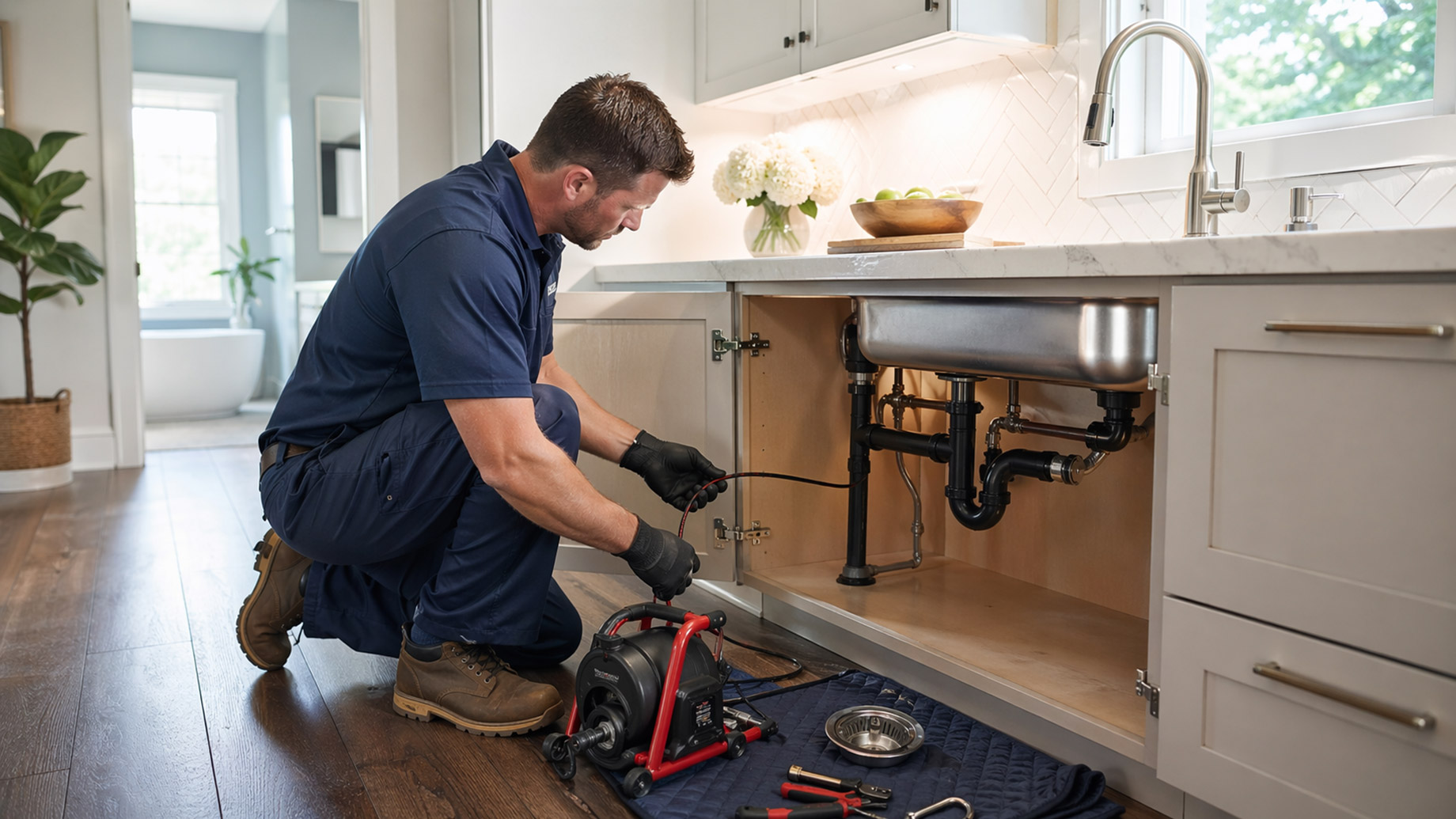
Keeping your home’s drains clear is vital for comfort and avoiding costly repairs. Neglected drains can quickly develop clogs that disrupt your daily routine and jeopardize the health of your plumbing system. With the right strategies and preventative measures, you can ensure your pipes remain open and functional. Cleaning your drains regularly and adopting modern solutions can make all the difference for your home’s plumbing health.
Many homeowners overlook the importance of proper drain maintenance, only addressing issues when water flow becomes noticeably reduced. Proactive care, however, can save time, money, and hassle in the long term. By understanding common causes of blockages and practicing good habits, you can prevent most drainage problems from occurring.
Routine checks for slow drains and unpleasant odors can also help you spot trouble before it escalates into a big plumbing emergency. When you combine these preventive steps with some of the latest advancements in drain cleaning, you’ll keep your plumbing system operating efficiently year-round.
Establishing a cleaning schedule and using strainers in sinks and tubs cuts down on the risk of buildup, making these simple habits invaluable for maintaining your drains.
Common Causes of Drain Clogs
Drains can become clogged for a variety of reasons, but a few common culprits account for most blockages. In kitchen sinks, grease, oil, and food scraps are responsible for a majority of issues. These substances harden inside the pipes and trap other debris, eventually creating a stubborn blockage. In bathrooms, hair and soap scum often build up over time, combining to form dense clogs that are difficult to remove without disassembly or special tools. Other foreign objects like wipes, cotton swabs, or even children’s toys can accidentally end up in drains as well, causing immediate interruptions to water flow.
Tree roots are another cause that can affect underground pipes, especially in older homes. Roots seek out moisture and can infiltrate even small cracks in drain lines, growing inside pipes and gradually constricting water movement. Regardless of the cause, identifying the source is the first step toward effective prevention and unclogging.
Preventive Measures for Drain Maintenance
Simple changes to your daily routine can dramatically extend the life of your plumbing. Start by being mindful of what you allow down your drains. Pouring cooking grease or oil into the sink is a leading cause of household clogs; instead, cool the grease in a small container and throw it away in the trash. Installing mesh drain screens in sinks and showers will catch hair, food particles, and other debris before they enter your plumbing system.
Another beneficial habit is regular flushing of your drains. Once a week, run hot water through your sinks and tubs to help dissolve minor buildups. Adding baking soda and vinegar occasionally can also help clear residue without using harsh chemicals. However, it’s important to note that while baking soda and vinegar are popular natural cleaning agents, experts warn against using them to unclog drains. Despite their degreasing and deodorizing properties, this combination can cause significant damage to plumbing systems, especially in older homes with metal pipes. Their reaction produces salt, which may exacerbate corrosion and weaken the infrastructure over time. Additionally, the acidity of vinegar can deteriorate rubber pipe seals, increasing the risk of leaks. Moreover, the fizzing reaction is often not potent enough to eliminate stubborn clogs effectively. Instead, professionals recommend using mechanical tools like plungers or drain snakes, as well as enzyme-based cleaners that safely break down organic matter without harming plumbing. Preventative measures such as sink strainers, regular hot water flushing, and avoiding grease disposal are also advised. For more severe clogs, commercial drain cleaners like Drano Max Gel or Liquid-Plumr are better suited and safe for various pipe types. Lastly, excessive baking soda can exacerbate blockages by forming a solid mass, and salt with boiling water is not effective. Overall, natural isn’t always better when it comes to drain maintenance.
Advanced Technologies in Drain Cleaning
Persistent drainage issues often require more robust solutions than basic plunging or store-bought chemicals. High-pressure water jetting is a modern technique that uses focused water streams to break apart tough clogs and flush out years of residue from your pipes. Enzyme-based cleaners are another advancement, utilizing natural bacteria to digest organic material in drains. These solutions avoid the damaging effects of traditional chemical cleaners and help maintain the integrity of your plumbing system over time.
Some plumbers now use video inspection tools to locate blockages with pinpoint accuracy, minimizing invasive work on your home. These cameras help identify whether a clog is caused by buildup, a foreign object, or invasive tree roots, enabling professionals to choose the most effective remedy. Many homeowners have found these technologies especially useful for preventing repeated issues, particularly in older homes with aging infrastructure.
When to Seek Professional Help
Several warning signs indicate the need for expert assistance rather than DIY solutions. If drains remain slow after repeated attempts to clear them, there may be a deeper blockage within your plumbing system. Foul smells coming from your drains, particularly accompanied by gurgling sounds, suggest trapped debris or even issues within your sewer line. Water that backs up into sinks, tubs, or toilets points to a significant obstruction that could require immediate professional intervention.
Trying to force a clog-free without the proper tools or know-how can damage pipes or push blockages further down the system. Licensed plumbers have access to professional-grade equipment and extensive experience diagnosing and remedying complex clogs. Consulting a trusted professional ensures your home’s plumbing receives the right treatment and remains protected from future issues.
Eco-Friendly Drain Maintenance Practices
Protecting the health of your drains does not need to come at the expense of the environment. Many conventional drain cleaners contain harsh chemicals that can corrode pipes and harm local ecosystems. Fortunately, natural substances like baking soda and vinegar are safe and effective alternatives for regular drain maintenance. Regular use helps keep pipes clean without the harmful side effects associated with chemical cleaners.
Composting is another eco-friendly practice that helps keep your kitchen drains clear. Instead of placing food waste down the sink, collect vegetable scraps and coffee grounds for a backyard composter or local composting program. These habits preserve the efficiency of your plumbing and contribute to waste reduction, benefitting both your home and the planet.
Conclusion
Maintaining clear and free-flowing drains is all about prevention, timely intervention, and smart adoption of new solutions. By understanding what causes clogs and taking simple steps to avoid them, you protect your home’s plumbing system and reduce the risk of unexpected emergencies. Utilizing advanced technologies, staying aware of warning signs, and embracing eco-friendly habits all contribute to a healthier, happier home.
