Luxury living has traditionally been associated with impressive architecture, designer furniture, expensive materials, and beautifully decorated homes. While these elements continue to influence the appeal of premium properties, modern luxury increasingly involves something less visible: the quality of everyday life.
A spacious residence may look extraordinary in photographs, but its true value depends on how comfortably people can live within it. Privacy, convenience, personal well-being, and opportunities for meaningful experiences are becoming essential considerations for those seeking a more refined lifestyle.
This changing perspective reflects a broader understanding of what makes a home desirable. Rather than focusing exclusively on appearances, homeowners are paying greater attention to environments that support their routines, relationships, and personal interests.
Modern luxury is ultimately about creating a lifestyle where thoughtful design and everyday comfort work together, allowing residents to enjoy their surroundings without unnecessary complications.
Personal Wellness Is Becoming an Everyday Luxury
One of the defining characteristics of contemporary luxury living is the growing importance of personal wellness. Homeowners increasingly appreciate spaces that accommodate comfortable daily routines rather than reserving relaxation for occasional holidays or spa visits.
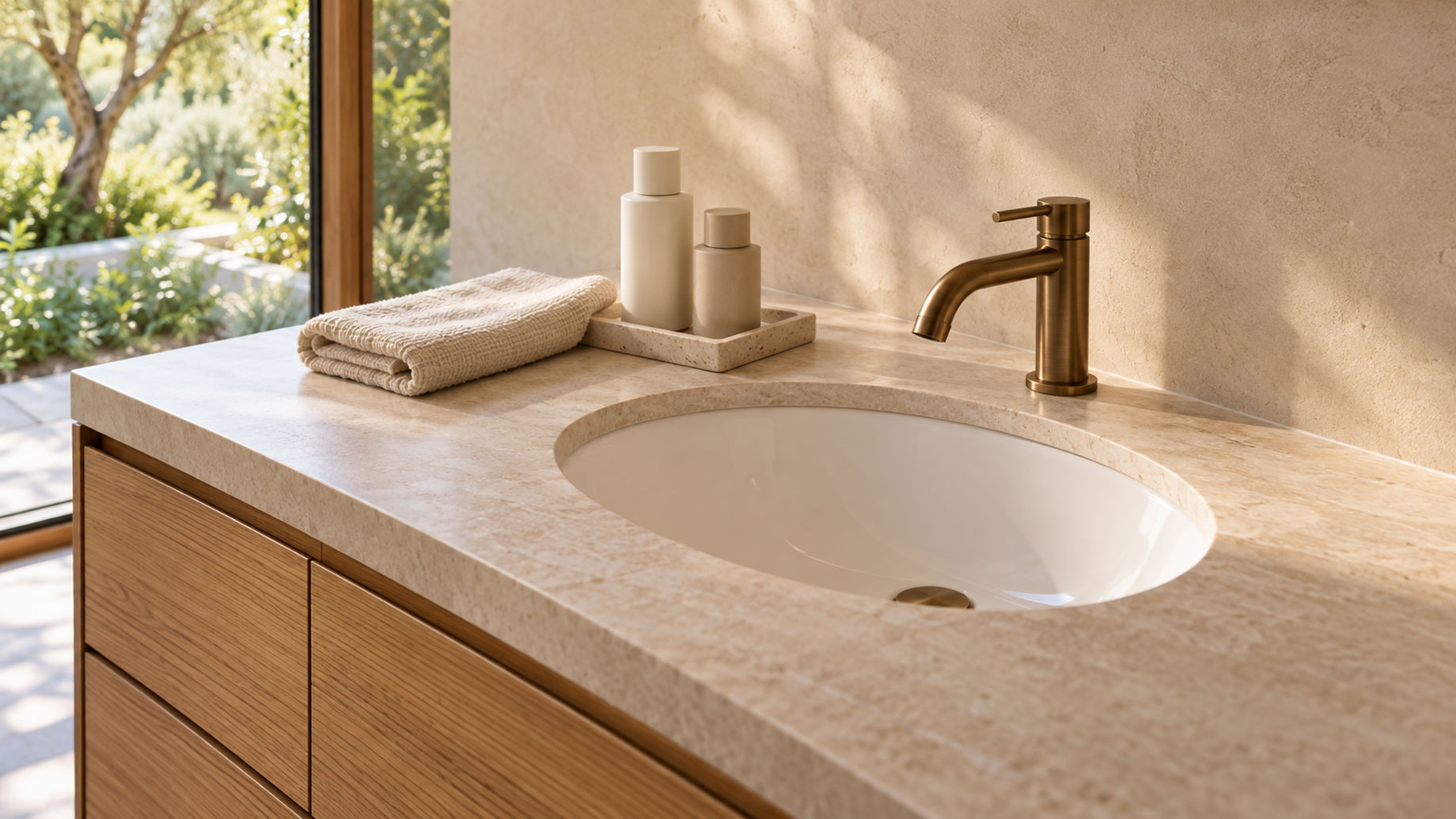
Bathrooms, dressing areas, and private wellness spaces can contribute to this experience. Thoughtful lighting, organized storage, comfortable temperatures, and attractive materials make everyday activities more enjoyable.
Personal care products also play a role in creating these routines. Skincare collections from https://paulaschoice.com/ offer options designed for different skin characteristics, including exfoliating formulations for oily skin. A well-organized bathroom makes it easier to incorporate suitable products into a consistent personal care routine.
The appeal lies in combining convenience with individual preferences. A relaxing environment does not necessarily require elaborate facilities, particularly when thoughtful details make ordinary activities feel more comfortable.
By approaching wellness as part of daily life, luxury homeowners can create spaces that support relaxation without sacrificing practicality.
Privacy and Peaceful Surroundings Are Increasingly Valuable
Privacy has become an important consideration in luxury residential design. While impressive entertaining spaces remain desirable, many homeowners also appreciate areas that provide separation from everyday distractions.
Quiet bedrooms, private terraces, landscaped gardens, and comfortable home offices can create opportunities for relaxation and concentration. These features are particularly valuable for people managing demanding professional schedules.
Thoughtful architectural planning can improve privacy without making a property feel isolated. Strategic landscaping, carefully positioned windows, and effective sound insulation help maintain a peaceful atmosphere.
Outdoor spaces contribute to this sense of comfort. A sheltered garden or secluded seating area allows residents to enjoy fresh air without leaving their property.
The most successful designs balance openness with personal boundaries, creating homes that accommodate social gatherings while preserving quieter areas for individual activities.
For many homeowners, the freedom to enjoy peaceful surroundings has become just as desirable as an impressive property address.
Smart Home Technology Should Make Life Simpler
Technology is increasingly integrated into premium residential properties, but its value depends on whether it genuinely improves everyday experiences.
Automated lighting, climate controls, security systems, and connected appliances can help homeowners manage their surroundings more conveniently. A thoughtfully designed system allows residents to adjust room temperatures, monitor selected household functions, and establish preferred lighting settings.
However, sophisticated technology should remain intuitive. Complicated controls and unnecessary features can undermine the convenience they are intended to provide.
Successful smart home design prioritizes reliability, accessibility, and compatibility with existing routines. Technology works best when it complements the home rather than becoming its most noticeable feature.
Energy management can also be part of this approach. Programmable systems and efficient equipment may help reduce unnecessary consumption while maintaining comfortable indoor conditions.
Modern luxury therefore involves selecting technology according to practical benefits rather than the number of devices installed throughout a property.
Meaningful Experiences Matter More Than Expensive Possessions
Luxury lifestyles are increasingly shaped by experiences that create lasting memories. While beautiful possessions remain enjoyable, time spent with family, friends, and loved ones often carries greater personal significance.
A welcoming dining area can encourage shared meals, while comfortable outdoor seating creates opportunities for relaxed conversations. Entertainment spaces become more valuable when their design reflects how residents actually spend time together.
This perspective can also influence purchasing decisions. Instead of filling rooms with decorative objects, homeowners may prefer investing in a smaller collection of meaningful furnishings and personal possessions.
Artwork acquired during travel, inherited furniture, or handmade accessories can introduce character that standardized luxury decoration cannot reproduce.
The goal is not simply to own impressive things but to create an environment where memorable experiences occur naturally.
When homes support genuine connections and personal interests, their value extends beyond architectural features and material finishes.
Thoughtful Design Combines Elegance With Practical Comfort
A beautiful home should also function efficiently. Furniture arrangements, storage solutions, lighting, and material choices influence how easily residents move through everyday activities.
Comfortable seating is particularly important. An expensive sofa provides limited value if its proportions make relaxation difficult, while carefully positioned furniture can encourage conversation and improve movement through a room.
Practical storage also supports visual elegance. Concealed cabinets, organized wardrobes, and accessible household supplies help maintain uncluttered interiors without making daily tasks inconvenient.
Natural materials can introduce additional warmth. Wood, stone, linen, and wool provide recognizable textures that complement contemporary architecture.
Durability deserves equal attention. Materials that remain attractive through regular use contribute more lasting value than finishes selected exclusively for their initial appearance.
Thoughtful design recognizes that sophisticated interiors should accommodate real life rather than demand constant effort to preserve their presentation.
A Truly Luxurious Home Reflects the People Living There
Perhaps the most important element of modern luxury is personalization. Two homeowners may have similar budgets but completely different expectations of an ideal living environment.
One might prioritize a private library and peaceful garden, while another values entertaining spaces, fitness facilities, or a dedicated creative studio.
Understanding these preferences helps ensure that residential design supports genuine interests rather than following temporary trends.
Personalization also encourages homeowners to make decisions that remain relevant as their circumstances change. Flexible rooms, adaptable furniture, and practical layouts can accommodate evolving family responsibilities and lifestyle preferences.
Ultimately, modern luxury living is not defined solely by architectural grandeur or expensive decoration. It emerges from the relationship between comfort, privacy, meaningful experiences, and thoughtful design.
A truly exceptional home makes everyday life easier, more enjoyable, and more personal. Beautiful interiors may create the first impression, but the quality of life they support determines their lasting value.