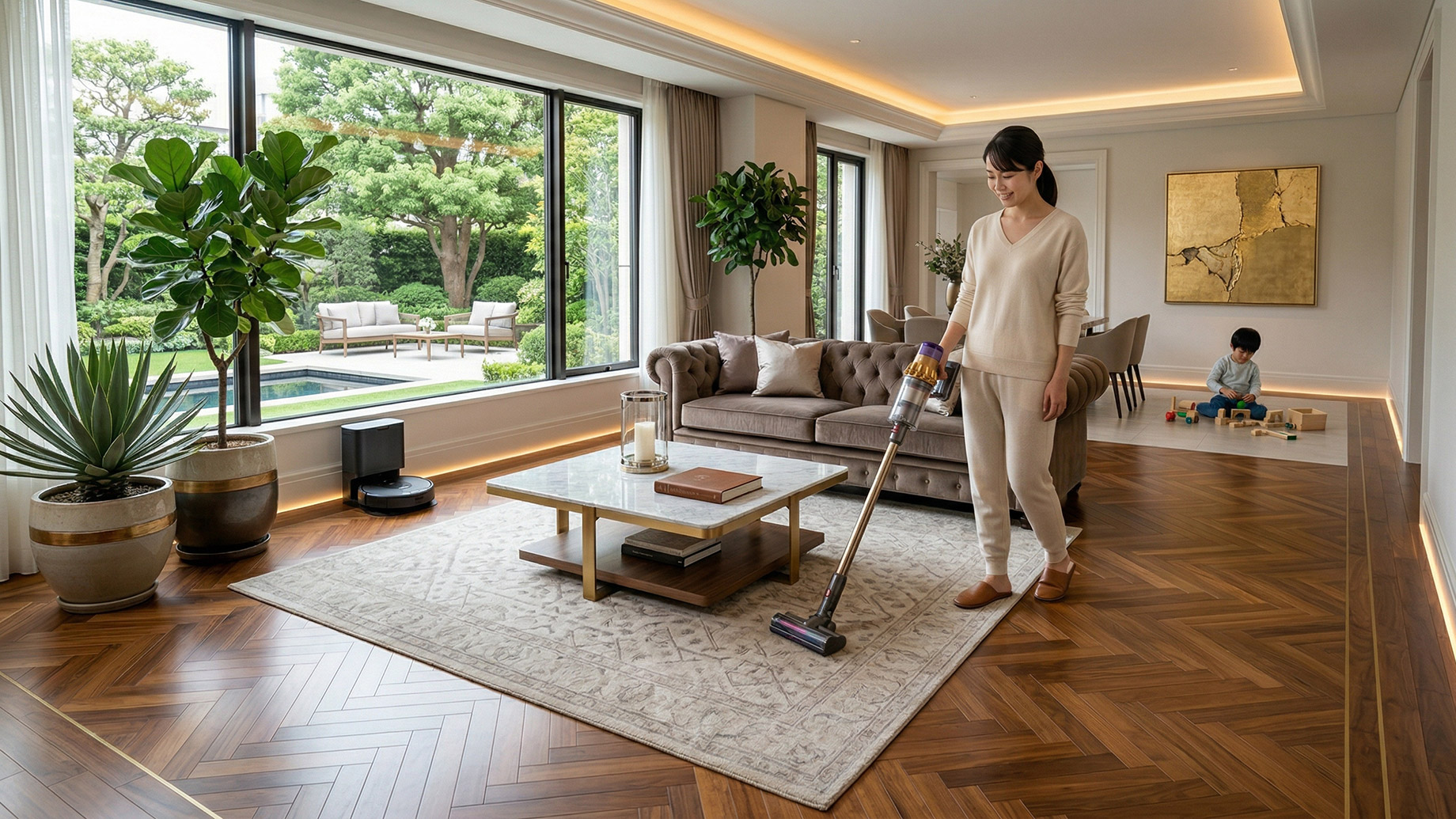
A clean home is about far more than appearances — it’s a genuine foundation for better health, improved well-being, and everyday comfort. Challenges like dust accumulation, pet hair, and airborne allergens may seem minor, but they quietly degrade indoor air quality, triggering respiratory problems and chipping away at quality of life. Tools like a dependable vacuum or a well-designed set of robot vacuums form the backbone of efficient floor care, helping households tackle debris systematically while automating the more repetitive maintenance tasks. In the sections ahead, we’ll walk through proven strategies, practical tools, and sustainable habits that support real, long-term cleanliness.
Key Takeaway: A clean home starts with consistent, smart cleaning routines that put health and efficiency first.
Why Clean Floors Matter for Overall Home Health
Floors are silent collectors. Day after day, they gather fine dust particles, pollen, pet dander, and tracked-in contaminants that settle deep into fibers and crevices. Particles smaller than 10 microns — completely invisible to the naked eye — can become suspended in the air after even minor disturbances, entering the respiratory system and aggravating conditions like asthma and allergies. Environmental health research consistently shows that regular floor maintenance can trap over 90% of common household pollutants, producing meaningful improvements in indoor air quality over time.
Think of a family that starts prioritizing weekly floor care after noticing persistent sneezing and congestion at home. Within weeks, allergy symptoms noticeably ease — a common real-world outcome when cleaning routines consistently remove the root sources of irritation.
The top health benefits of clean floors include:
- Reduced asthma and allergy triggers from trapped dust and dander
- Better sleep quality through improved air purity
- Enhanced mood and mental clarity in an orderly living space
Essential Cleaning Strategies for Different Floor Types
Not all floors respond well to the same treatment. Tailoring your approach protects both the flooring itself and your household’s health.
| Floor Type | Recommended Frequency | Best Tools & Methods |
|---|---|---|
| Hardwood | Daily sweep, weekly clean | Microfiber mop; avoid excess moisture |
| Carpet | 2–3x weekly | Brush-roll vacuum; monthly deep clean |
| Tile | Weekly | Damp mop; pH-neutral cleaner for grout |
| Laminate | Weekly | Dry microfiber; minimal water to prevent warping |
Cleaning experts consistently point to moisture control as the single most critical factor in preventing mold growth and structural damage. For hardwood, microfiber tools glide smoothly without scratching the surface, while pH-neutral cleaners protect finishes safely across all floor types — a chemical-safe approach well-suited to family homes.
Incorporating Tools and Technology into Your Routine
Modern cleaning tools span a wide spectrum, from straightforward manual options to fully automated systems. When evaluating any floor-cleaning device, the key technical factors to consider are suction power, HEPA filtration capability (capturing particles as small as 0.3 microns), airflow rates, and brush roll design for optimal debris pickup.
Take a busy household with two working adults and three children: scheduling automated cleaning cycles during off-hours reduced their active cleaning time by nearly half — without any drop in cleanliness standards. Automation doesn’t replace thorough cleaning; it sustains baseline hygiene between deeper sessions, which is where its real value lies.
Building Sustainable Cleaning Habits for Long-Term Success
Consistency beats intensity, every time. A practical approach is zoning your home by traffic level, giving entryways, kitchens, and living areas more frequent attention than lower-use spaces.
A sample 7-day routine for most households:
- Monday – Address high-traffic floor areas thoroughly
- Tuesday – Wipe down hard floors with the appropriate cleaner
- Wednesday – Spot-clean carpet stains promptly
- Thursday – Edge cleaning along baseboards and corners
- Friday – Full floor sweep or vacuum pass
- Saturday – Deep clean one floor type in rotation
- Sunday – Rest, assess, and maintain tools (empty filters, wash pads)
For multi-pet or high-dust homes, edge-to-edge coverage and regular filter maintenance aren’t optional — they’re essential. Eco-friendly habits like reusable microfiber pads and washable filters also reduce household waste while keeping cleaning effectiveness intact over the long haul.
Advanced Tips for Allergens and Deep Cleaning
For allergens embedded deep in carpet fibers, steam cleaning at temperatures above 200°F effectively sanitizes without relying on harsh chemicals, eliminating dust mites and neutralizing bacteria in the process. For tile grout, a stiff brush paired with steam penetrates porous surfaces where standard mopping simply can’t reach. Allergen-binding microfiber fabrics physically trap particles rather than scattering them back into the air.
Pro Tip: Combine thorough floor cleaning with proper ventilation — opening windows during and after cleaning sessions — for up to 99% allergen reduction in the indoor environment.
Final Thoughts on a Healthier Home
Keeping floors clean is one of the highest-impact habits you can build for a healthier living space. From understanding the science behind indoor pollutants to choosing the right tools and establishing consistent routines, every deliberate step compounds into meaningful, lasting results. Take a moment to honestly assess your current cleaning habits, pick one strategy from this guide that you haven’t tried yet, and put it into practice — your home environment, and your health, will reflect the difference.
