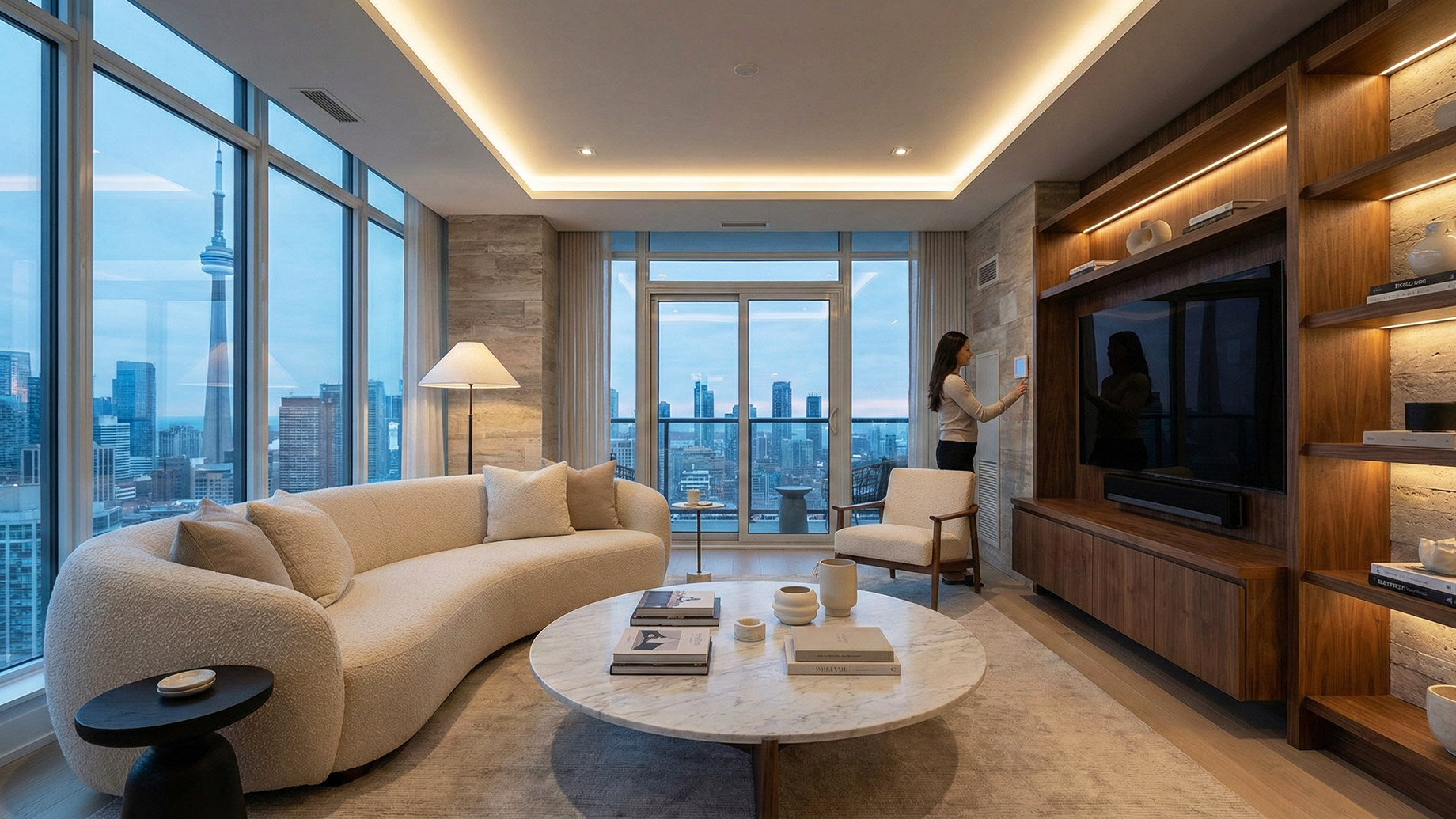
In 2026, the role of an interior designer in Toronto has become more important than ever. As the city continues to grow, evolve, and diversify, homeowners and businesses alike are seeking thoughtfully designed spaces that balance aesthetics, functionality, and lifestyle needs. Interior design today is not just about decorating a room. It is about creating environments that enhance daily living, reflect personal identity, and adapt to modern demands.
Toronto’s interior design scene in 2026 is defined by innovation, sustainability, and customization. Whether it is a downtown condo, a luxury home, or a commercial space, interior designers are shaping how people live, work, and interact with their surroundings.
The Role of an Interior Designer in Toronto
An interior designer in Toronto provides far more than visual styling. Designers analyze space planning, lighting, materials, color palettes, and furniture layouts to ensure every element works cohesively. In 2026, designers are also problem solvers, helping clients make the most of limited space, improve functionality, and future-proof their interiors.
With Toronto’s mix of modern high-rises, heritage homes, and mixed-use developments, designers must adapt their approach to suit diverse architectural styles. This versatility is what sets professional interior designers apart from basic décor services.
Why Interior Design Matters More in 2026
Modern lifestyles have shifted dramatically in recent years. Remote work, flexible living arrangements, and wellness-focused environments have changed how spaces are used. In 2026, interior designers in Toronto prioritize adaptability, comfort, and efficiency without sacrificing style.
Homes are now designed to support multiple functions, such as working, relaxing, entertaining, and exercising. Designers create layouts that allow seamless transitions between these activities, using smart zoning, multifunctional furniture, and thoughtful lighting strategies.
Residential Interior Design in Toronto
Residential interior design in Toronto remains one of the most sought-after services in Toronto. Designers work closely with homeowners to understand their routines, preferences, and long-term goals. In 2026, personalization is key. Cookie-cutter interiors are replaced with bespoke designs that feel authentic and lived-in.
Popular residential design elements include open yet defined layouts, custom cabinetry, natural materials, and neutral color palettes accented with bold textures. Sustainability also plays a major role, with homeowners choosing eco-conscious materials and energy-efficient solutions that align with modern values. Also you can check this: Top Rated Interior Design Firms
Condo and Urban Living Design
Toronto’s urban landscape is dominated by condominiums, making condo interior design a major focus in 2026. Interior designers specialize in maximizing small spaces without making them feel crowded. Clever storage solutions, space-saving furniture, and visual continuity help create a sense of openness.
Designers also consider city views, natural light, and noise control when planning condo interiors. The goal is to create a calm, functional retreat within a fast-paced urban environment.
Commercial and Office Interior Design
Beyond residential spaces, interior designers in Toronto play a crucial role in shaping commercial environments. Offices, retail spaces, and hospitality interiors are designed to reflect brand identity while supporting productivity and customer experience.
In 2026, office interiors prioritize flexibility and employee well-being. Designers incorporate collaborative zones, quiet work areas, and ergonomic furniture to support hybrid work models. Lighting, acoustics, and layout planning are carefully balanced to create efficient and inviting workspaces.
Design Trends Shaping Toronto Interiors in 2026
Interior design trends in Toronto for 2026 emphasize longevity rather than short-lived styles. Timeless design choices are favored, with an emphasis on quality over quantity. Neutral foundations combined with rich textures and subtle color accents dominate modern interiors.
Natural materials such as wood, stone, and linen are widely used to add warmth and authenticity. Minimalist design principles are softened with layered textures, curved forms, and handcrafted details, creating spaces that feel refined yet comfortable.
The Importance of Customization
Customization is a defining element of interior design in 2026. Toronto interior designers focus on tailoring every aspect of a space to the client’s needs. Custom millwork, built-in storage, and bespoke furniture ensure optimal use of space and a cohesive aesthetic.
This personalized approach also enhances property value. Thoughtfully designed interiors not only improve daily living but also make homes and commercial spaces more appealing in Toronto’s competitive real estate market.
Technology and Smart Design
Technology is seamlessly integrated into interior design in 2026. Interior designers in Toronto work with smart lighting systems, automated window treatments, and integrated climate control to improve comfort and efficiency.
The focus is on subtle integration rather than visible technology. Smart features are designed to enhance the user experience without overpowering the visual harmony of the space.
Collaboration and Project Management
Hiring an interior designer in Toronto means gaining access to a coordinated design process. Designers collaborate with architects, contractors, and suppliers to ensure projects are executed smoothly. From concept development to final installation, designers manage timelines, budgets, and design consistency.
This level of oversight reduces stress for clients and ensures that the final outcome aligns with the original vision. Firms such as Swisterski Design Inc are known for delivering cohesive, detail-oriented interiors through professional collaboration and design expertise.
Sustainability and Responsible Design
Sustainability is no longer optional in 2026. Interior designers in Toronto are increasingly committed to environmentally responsible design practices. This includes selecting sustainable materials, reducing waste, and designing spaces that support long-term use rather than frequent renovations.
Energy-efficient lighting, low-emission finishes, and durable materials contribute to healthier indoor environments and lower environmental impact. Clients are more informed and actively seek designers who align with these values.
Choosing the Right Interior Designer in Toronto
Selecting the right interior designer is a critical step toward achieving a successful project. In 2026, clients look for designers with strong portfolios, clear communication skills, and a deep understanding of both aesthetics and functionality.
A good interior designer listens carefully, offers creative solutions, and guides clients through complex decisions with confidence. Transparency, experience, and attention to detail are essential qualities that define professional interior design services in Toronto.
The Future of Interior Design in Toronto
As Toronto continues to grow, interior design will remain a vital part of shaping how people live and work. In 2026, interior designers are not just creating beautiful spaces but meaningful environments that support modern lifestyles.
From residential homes to commercial interiors, the demand for thoughtful, well-executed design continues to rise. An experienced interior designer in Toronto brings vision, structure, and expertise to every project, transforming spaces into functional, inspiring, and enduring environments.
Interior design in 2026 is about balance, purpose, and personal expression. With the right designer, any space can become a reflection of comfort, creativity, and refined living.
