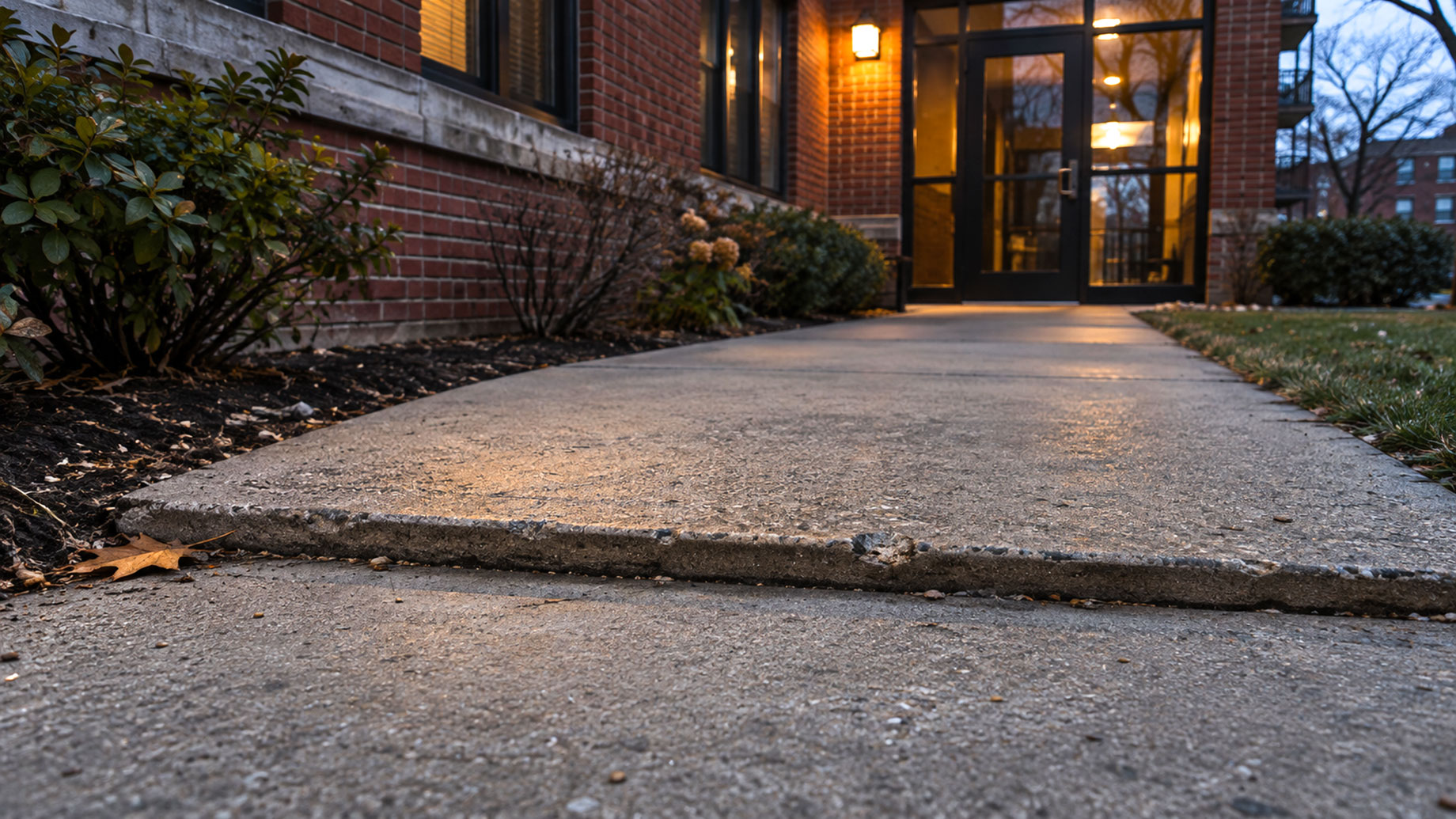
Property hazards can lead to a premises liability claim when an unsafe condition causes someone to suffer an injury and the person or business responsible for the property failed to take reasonable steps to prevent the danger. Common examples include wet floors, broken stairs, poor lighting, uneven walkways, and unsecured objects. However, an accident alone does not establish liability. The circumstances surrounding the hazard, the property owner’s knowledge, and the steps taken to address the danger all matter.
Visitors may encounter unsafe conditions in shopping centers, apartment buildings, restaurants, hotels, parking lots, and private homes. When an injury occurs, determining whether the property owner can be held accountable requires examining who controlled the property and whether reasonable safety measures were followed.
Common Property Hazards That Can Cause Injuries
Some dangerous conditions are easy to recognize, while others may remain unnoticed until someone gets hurt. Identifying the source of an accident is an important part of evaluating a potential claim.
Wet or Slippery Floors
Spilled drinks, leaking equipment, recently mopped floors, and rainwater tracked indoors can create slipping hazards. Businesses may need to clean spills promptly, use warning signs, or block access to areas that are being maintained.
A missing warning sign or an ignored spill may become important evidence if someone falls and suffers an injury.
Broken Stairs and Damaged Handrails
Loose steps, cracked stair surfaces, missing handrails, and damaged staircases can cause serious falls. Property managers should arrange appropriate inspections and repairs, particularly in areas regularly used by tenants, employees, and visitors.
Uneven Walkways and Sidewalks
Cracked pavement, raised floor tiles, potholes, and uneven surfaces can cause visitors to trip. Whether a particular condition creates legal responsibility may depend on its severity, visibility, location, and the applicable safety requirements.
Poor Lighting
Dim hallways, dark parking areas, and poorly illuminated staircases can make existing hazards difficult to see. Property owners may need to maintain adequate lighting so visitors can identify obstacles and move around safely.
Falling Objects and Unsafe Storage
Unsecured merchandise, poorly stacked boxes, loose ceiling materials, and improperly installed fixtures can fall and injure people. Retail stores, warehouses, and commercial buildings should take reasonable precautions to secure objects in areas accessible to visitors.
When Does a Property Hazard Become a Liability Issue?
The presence of a dangerous condition does not automatically mean the property owner is legally responsible. In many premises liability cases, the injured person must establish several elements.
- A duty of care: The property owner or responsible party must have owed the injured person a legal duty under the circumstances. The nature of that duty can vary based on the visitor’s status and state law.
- A dangerous condition: There must have been an unsafe condition that contributed to the injury.
- Knowledge of the hazard: The responsible party may have created the condition, known about it, or had enough time that reasonable inspections should have discovered it.
- Failure to take reasonable action: The property owner may have failed to repair the hazard, remove it, restrict access, or provide an adequate warning.
- A connection to the injury: The unsafe condition must have caused or contributed to the harm suffered.
These elements help distinguish a potentially valid premises liability claim from an accident that occurred without legal negligence.
Evidence That Can Help Establish Responsibility
Evidence is especially important because property hazards may be repaired or removed shortly after an accident. Injured visitors should try to preserve relevant information as soon as possible.
Useful evidence may include:
- Photographs and videos showing the hazardous condition.
- Names and contact details of witnesses.
- Incident reports prepared by the property owner or business.
- Medical records describing the injuries and treatment.
- Maintenance logs and inspection records, when available.
- Surveillance footage showing the hazard or the events leading to the accident.
Surveillance recordings may be overwritten, so requesting that relevant footage be preserved promptly can be important. Injured visitors should also keep receipts and records of expenses connected to their recovery.
How Property Owners Can Reduce the Risk of Claims
Regular maintenance and timely responses to reported hazards can help protect visitors. Property owners and managers should inspect frequently used areas, repair damaged surfaces, clean spills, maintain lighting, and use appropriate warning signs.
Employees should also know how to report dangerous conditions and restrict access when immediate repairs are necessary. Keeping maintenance records can demonstrate when inspections occurred and what steps were taken to address reported problems.
Points to Remember
- Property hazards such as wet floors, broken stairs, uneven walkways, and poor lighting can cause preventable injuries.
- A dangerous condition alone does not automatically establish premises liability.
- The injured person generally needs to show that the responsible party owed a duty of care and failed to act reasonably.
- Evidence of actual or constructive knowledge of the hazard can be important.
- Photographs, witness details, incident reports, and maintenance records can help establish what happened.
- Property owners can reduce risks through inspections, repairs, warnings, and proper maintenance.
- Filing deadlines vary by state and may be shorter for claims involving government property.
