Hidden leaks are annoying because they don’t usually start with a visible puddle of water you can see straight away. Usually, it’s something small, like the water bill is higher than expected, the toilet starts refilling when nobody has used it or there’s a damp smell in one room that doesn’t quite goes away.
If you’ve started looking for leak detection Melbourne, you’ve probably already noticed one of these signs. Before anyone starts opening walls or pulling up flooring, there are a few things you can check yourself.
Start with the water meter
First, think about whether there’s a normal reason for the extra water use. Perhaps you’ve had family staying, watered the garden more often or used an evaporative cooler through a run of hot days. Comparing the bill with the same period last year gives you a fairer picture than comparing summer with winter.
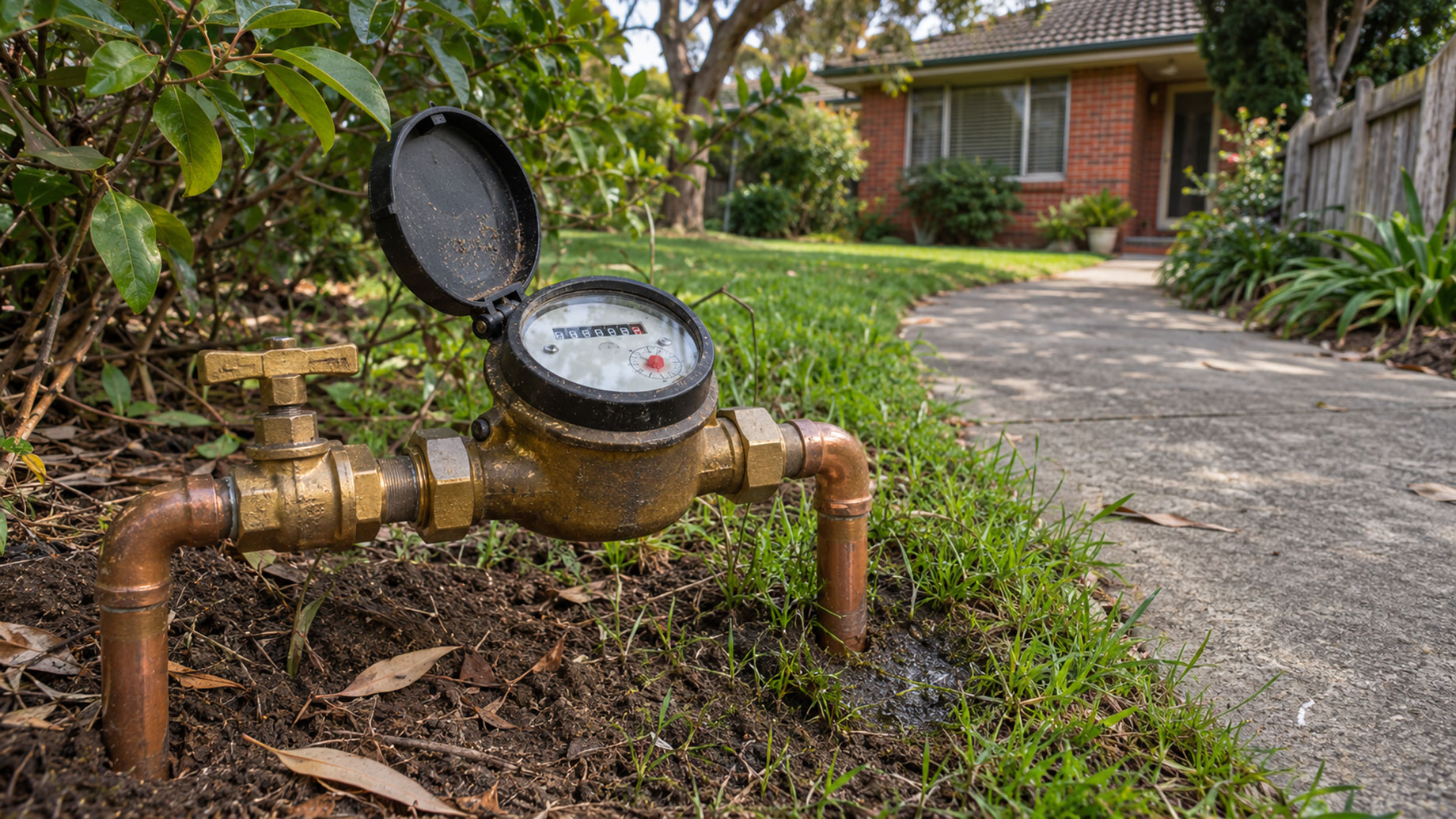
If nothing obvious explains it, try a meter test. Turn off all the taps and make sure the washing machine, dishwasher and irrigation system aren’t running. Tell everyone in the house not to use any water for 20 minutes, then write down the meter reading or take a photo of it.
Check it again when the 20 minutes are up. If the reading has moved, do the test once more. Someone filling a water bottle halfway through can ruin the result, and it’s better to repeat the test than assume there’s a burst pipe under the kitchen.
The toilet is often the culprit
A leaking toilet doesn’t always make much noise. Sometimes there’s a thin stream running down the back of the bowl. Sometimes the only sign is the cistern filling itself every hour or so.
Stand beside it for a minute when the bathroom is quiet and listen. Check the bowl for movement in the water. Then have a look under sinks with a torch and press a dry piece of paper towel around the pipe connections. A tiny drip is far easier to find on white paper than at the back of a dark cupboard.
While you’re there, check the washing machine hose, dishwasher connection, water filter and the area around the hot water unit. None of this requires taking anything apart. You’re simply looking for moisture, staining or a fitting that has started to drip.
The wet patch may be nowhere near the broken pipe
Water can run along a pipe, timber beam or concrete slab before it finally appears. That’s why a stain on the ceiling doesn’t always mean the leak is directly above it. Cutting into the first damp spot you see can create a repair job without finding the actual problem.
Pay attention to when the mark changes. If it grows after heavy rain, the roof or guttering may be involved. If it appears after somebody showers, look towards the bathroom plumbing, seals or waterproofing. A warm patch on the floor can point to a leaking hot-water pipe underneath.
Don’t forget outside
Walk around the garden after several dry days. One patch of grass growing much faster than the rest, soft soil beside a path or water sitting near the meter can all be clues. Check hose fittings, outdoor taps and irrigation valves before assuming an underground pipe has failed.
Make a note of what you find and take a few photos. If water is spreading quickly, the ceiling is starting to bulge or moisture is getting close to electrical fittings, turn off the water at the meter and call a plumber straight away.
